
How Flat Roofing Supports Modern Building Design
Flat roofing has emerged as a hallmark of contemporary architecture, reflecting the evolution of building design that embraces both aesthetic and functional demands of modern spaces. Growing preferences for minimalism and efficiency in urban landscapes have propelled the popularity of flat roofs, which contribute significantly to the sleek profiles of cutting-edge structures. This article delves into various facets of flat roofing—ranging from aesthetic advantages to economic implications—and explores its role in shaping the future of architecture.
Aesthetic Advantages of Flat Roofing
Sleek, Modern Look
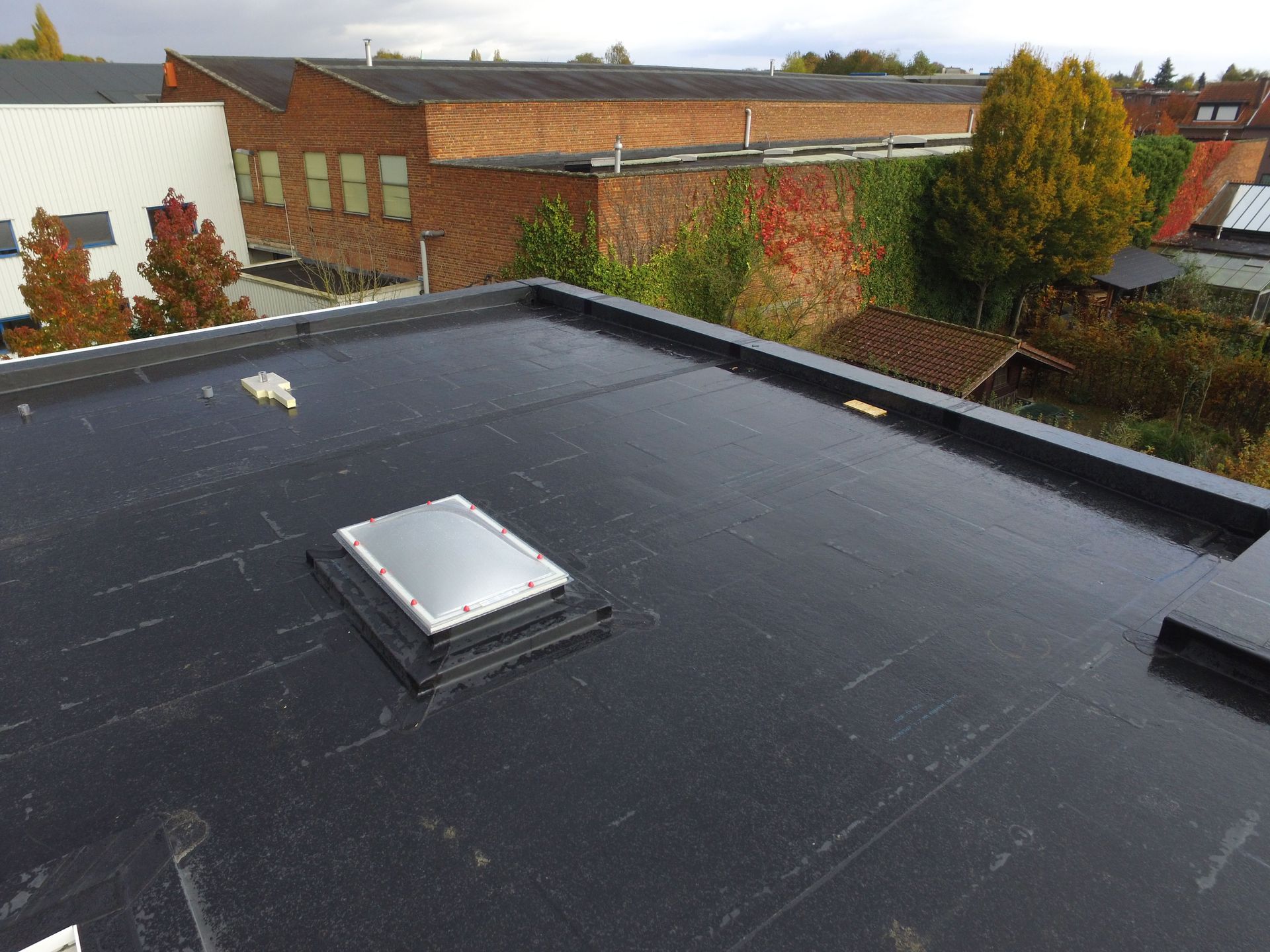
Flat roofs have redefined architectural aesthetics by offering a sleek and streamlined appearance that aligns with modern design philosophies. In essence, the flattened profile of such roofing systems contrasts with the traditional sloped roof, eliminating the jagged lines that characterize conventional structures. This simplicity introduces clarity and harmony in design, fostering a sense of openness and connectivity with the surroundings. As a result, flat roofing has gained widespread acclaim among architects and homeowners alike, contributing to its growing adoption across various architectural projects.
Flexibility in Architectural Design
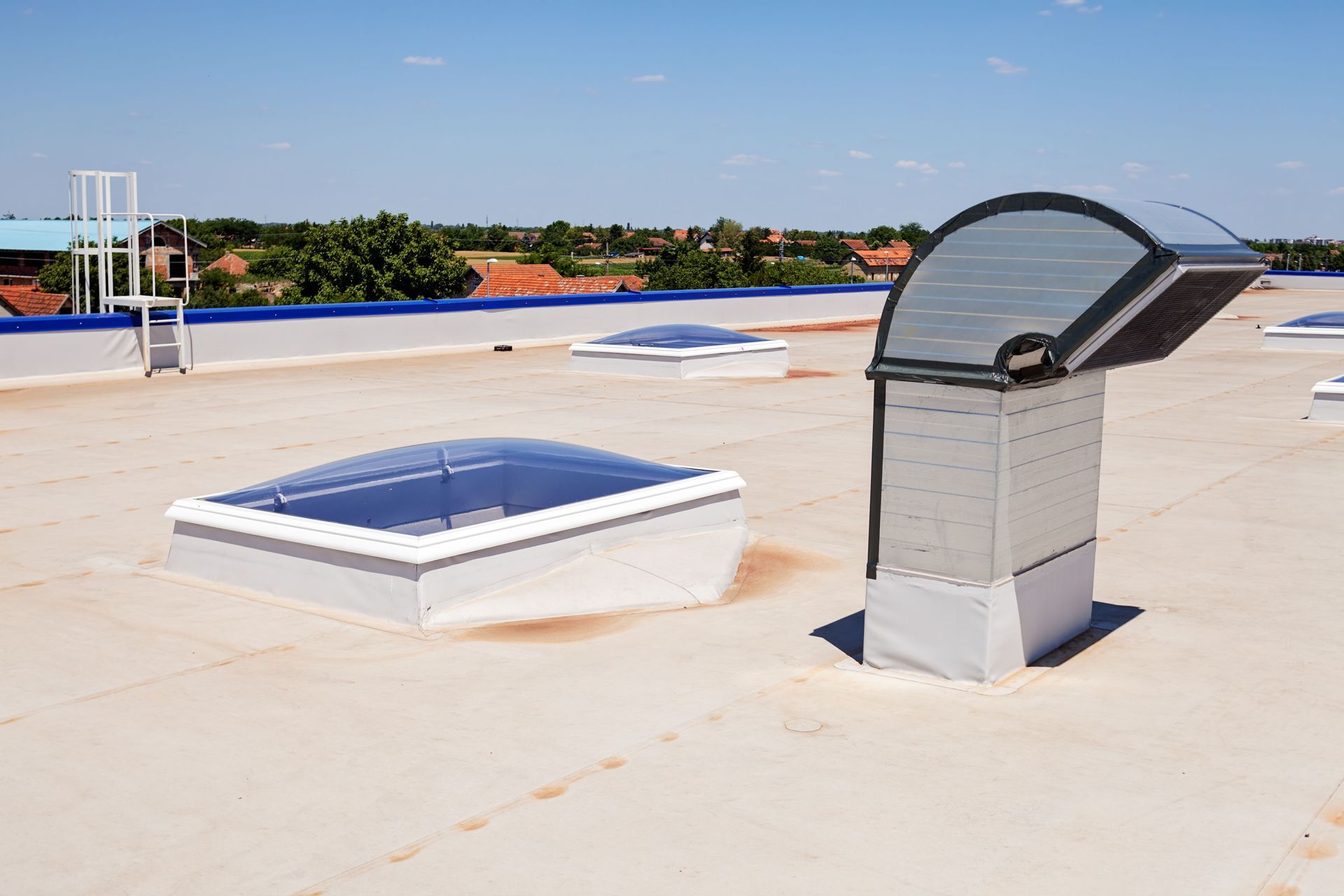
One of the primary advantages of flat roofing is its unparalleled flexibility in architectural design, allowing architects to explore creative boundaries without the constraints of traditional roofing structures. Flat roofs open possibilities for expansive skylights, rooftop gardens, or even rooftop pools, thereby enhancing the multifunctionality of a building's uppermost surface. Such design flexibility accommodates unique stylistic choices, enabling the integration of flat roofs into bespoke architectural concepts. Moreover, the even terrain of a flat roof provides the perfect canvas for sophisticated urban developments or revitalized restoration projects.
Enhanced Integration with Urban Landscapes
In densely packed urban environments, integrating a building seamlessly with its surroundings is a design priority that flat roofs fulfill exceptionally well. The congruent lines and unobtrusive presence of flat roofing enhance the aesthetic flow within metropolitan areas, creating a cohesive meshwork against the skyline. This minimization of visual interruption aids in preserving city vistas and maximizing panoramic views from upper stories, both of which are highly valued in urban real estate. Furthermore, flat roofs often facilitate the blending of architectural styles, merging traditional postulates with innovative contemporary aesthetics.
Functional Benefits of Flat Roofing
Space Optimization
Flat roofing systems are an exemplar of efficient space utilization, offering additional usable areas that can be creatively leveraged for various purposes. Whether transformed into relaxing rooftop terraces, productive gardens, or recreational play spaces, these areas become valuable extensions of the indoor space. Such adaptations greatly enhance the utility of structures in urban settings where land is sparse and open-air areas are prized. Moreover, flat roofs often accommodate the integration of modern structural amenities, further diversifying their practical applications.
Accessibility
Flat roofs offer the distinct advantage of accessibility, which simplifies numerous aspects related to maintenance, inspection, and repair. The horizontal surface minimizes safety risks commonly associated with pitched roofs, such as slips due to steep inclines or unstable footing. This ease of access is crucial for routine upkeep such as gutter cleaning and surface inspections, which helps in early detection of potential structural issues. Furthermore, accessible flat roofs provide convenient grounds for sustainable projects like solar panel installations, reducing logistical obstacles and associated costs.
Installation of Modern Technologies
The expansive and level surface area of flat roofs makes them highly conducive to hosting modern technological installations such as HVAC systems and solar panels. This potential is critical in the drive towards eco-friendly building solutions, enabling substantial energy efficiencies and cost savings. Additionally, flat roofs can serve as strategic platforms for telecommunications equipment and green technologies, thereby supporting infrastructural network expansions. These innovations align with the growing shift toward sustainable construction paradigms, capturing energy while minimizing environmental footprints.
Environmental Impact and Sustainability
Green Roofing Options
Flat roofs are instrumental in promoting green roofing, which encompasses the use of living vegetation atop buildings to foster biodiversity and environmental benefits. These eco-friendly rooftops contribute to air purification, reduction of urban heat, and creation of natural habitats in otherwise concrete-dominated spaces. Furthermore, green roofs help in mitigating stormwater runoff, reducing pressure on urban drainage systems by gradually absorbing rainfall. The incorporation of vegetation transforms flat roofs, making them architectural allies in urban sustainability efforts.
Energy Efficiency
In the realm of energy conservation, flat roofs play a pivotal role by promoting efficient energy use through enhanced thermal performance. Proper insulation and strategic application of reflective materials reduce heat ingress, consequently lowering cooling demands in the associated buildings. This energy efficiency translates to reduced utility costs, a significant consideration given the high expenditures on climate control within urban environments. Furthermore, flat roofs supporting renewable infrastructure, like solar panels, directly contribute to sustainable energy generation.
Rainwater Harvesting
The prospects of rainwater harvesting on flat roofs offer valuable contributions towards sustainable water management practices. Systems designed to capture and store roof runoff can aid in meeting non-potable water needs, such as irrigation and toilet flushing, thereby easing strain on municipal resources. They also contribute to flood mitigation by controlling the flow rates of stormwater into drainage networks. Integrating rainwater collection systems can be instrumental for environmentally conscious projects, providing a measure of environmentally friendly water independence for urban developments.
Technical Aspects and Innovations
Advances in Roofing Membranes
Modern flat roofing systems have benefited greatly from advances in membrane technology that have improved both durability and performance. Such enhancements ensure superior protection against weather elements, extending the lifespan of roofing installations while reducing maintenance interventions. Innovations in single-ply membranes and reinforced liquid applications offer unprecedented waterproofing efficacy, crucial for maintaining structural integrity in varied climate conditions. Their resilience and adaptability make membrane technologies essential elements within flat roof construction, emphasizing the evolving technical dynamics underlying modern architectural practice.
Insulation Techniques
Insulation is a critical component in optimizing the thermal dynamics of flat roofs, where cutting-edge techniques are constantly innovated to maximize energy efficiency. Modern solutions utilize advanced materials to form effective thermal barriers that regulate indoor climates and minimize energy expenditures. Notably, developments in reflective insulation leverage surface treatments that deflect solar heat, significantly influencing building cooling requirements. These insulation advancements cater to the heightened demand for sustainable construction methods that comprehensively address climatic conditions.
Structural Considerations
The engineering behind flat roofing systems involves critical structural considerations that address issues of load-bearing and stability. Unlike pitched roofs that facilitate ease of water runoff, flat roofs require calculated design strategies to accommodate accumulated loads from precipitation or foot traffic. This necessitates the use of strong materials and innovative support methods to ensure roof viability and safety. Enhancements in structural techniques also include implementing trusses and beams that offer integral reinforcement to maintain overall building integrity. Attention to these structural nuances demonstrates the engineering precision essential for sustaining flat roofing standards within diverse architectural scenarios.
Throughout this article, we have explored the multifaceted contributions of flat roofing to modern building design, reaffirming its significance within the architectural continuum. Flat roofing's aesthetic, functional, environmental, and economic impacts highlight its diverse potential to redefine how structures interact with urban landscapes and ecological imperatives. According to RubyHome, about 5 million roofs are installed each year in the United States, underscoring the vast potential for flat roofing adaptations in the industry. From fostering sustainability trends to incorporating technological innovations, flat roofs exemplify future-forward architectural strategies that align seamlessly with evolving urban dynamics.
Contact McChesney Lueck Roofing, LLC today to ensure your modern flat roofing system is installed with the precise engineering, high-quality materials, and expert craftsmanship.
Share On: