
Essential Maintenance Tips for Flat Roofing
A well-maintained roof protects a building from weather, moisture intrusion, and structural damage while helping preserve energy efficiency and property value. Although many commercial buildings and modern homes use flat roofing because of its clean appearance and practical design, this roofing style requires consistent maintenance to perform at its best. Water drains more slowly on low-slope systems than on steep roofs, making routine care especially important. Understanding the materials, scheduling regular inspections, removing debris, and responding quickly to small issues can significantly extend the roof's lifespan. Property owners who establish preventive maintenance habits often spend less on emergency repairs and experience fewer disruptions over the life of the roof.
Understand the Different Roofing Materials
Different roofing systems offer varying levels of durability, flexibility, and maintenance requirements. Common materials include single-ply membranes such as TPO, EPDM, and PVC, along with built-up roofing (BUR) and modified bitumen. Each option is designed to meet different performance goals, budgets, and environmental conditions. Selecting the right system for flat roofing helps ensure better long-term performance and easier maintenance.
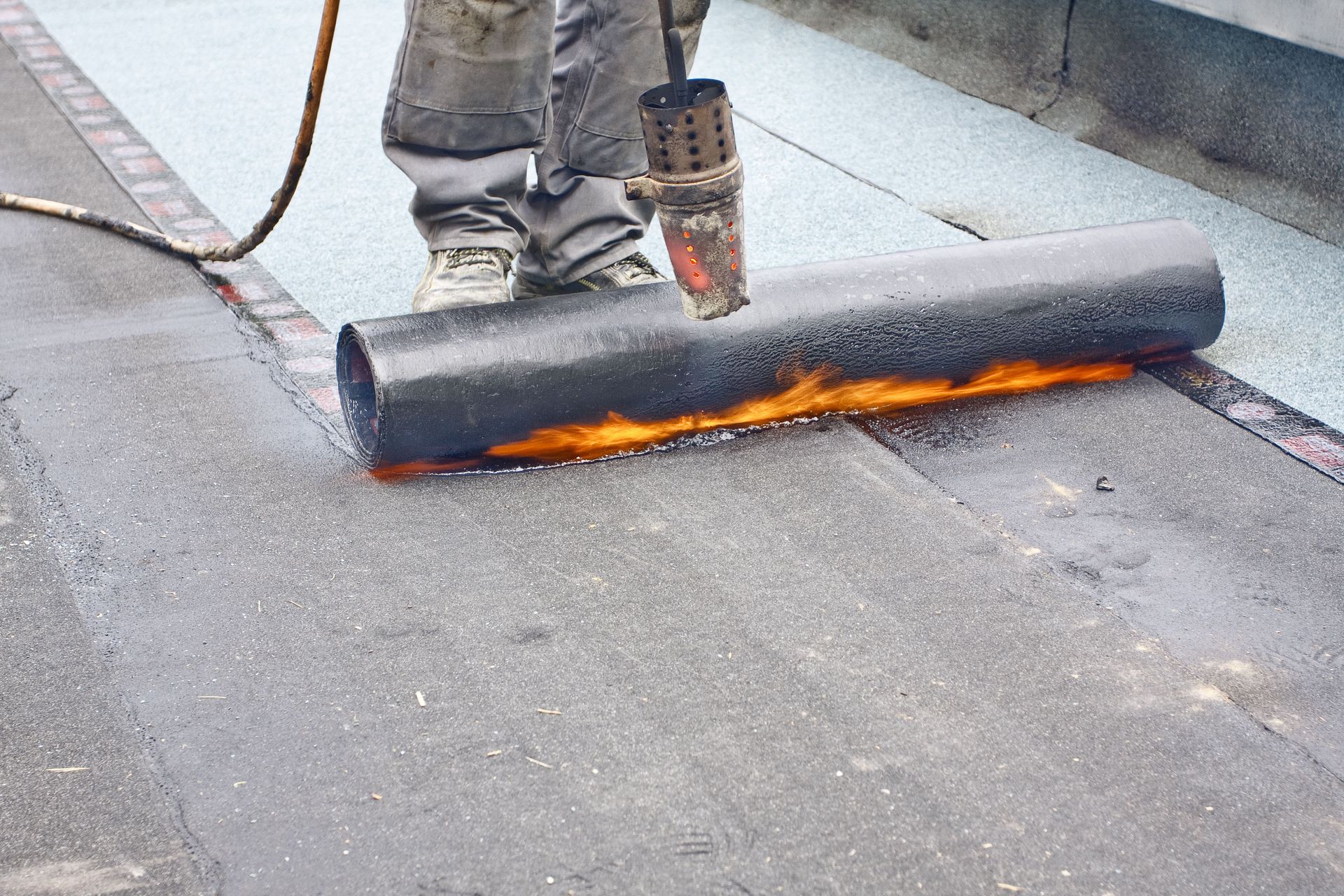
Built-up roofing consists of multiple layers of bitumen and reinforcing fabrics that create a durable surface with excellent resistance to weather and foot traffic. According to The Spruce, BUR also offers strong fire resistance while remaining one of the more economical roofing options for many commercial applications.
Single-ply membranes continue to grow in popularity because they are lightweight, relatively easy to install, and available in several performance levels. TPO offers excellent value, EPDM performs well in changing temperatures, and PVC provides exceptional chemical resistance and energy efficiency. Choosing the right material depends on the building's location, intended use, and long-term maintenance goals.
Compare Material Advantages and Long-Term Value
Every roofing material offers distinct advantages along with potential drawbacks. BUR delivers impressive durability but typically requires experienced installers because of its layered construction. Single-ply membranes are easier to repair and replace in localized areas but may have shorter service lives depending on environmental conditions.
Modified bitumen combines flexibility with excellent tensile strength, making it suitable for regions experiencing significant temperature swings. Although installation costs may be higher, its durability often offsets those expenses over time. Evaluating lifecycle costs instead of only installation expenses provides a more accurate picture of overall value.
Climate should also influence material selection. Regions with frequent rainfall benefit from highly water-resistant systems, while hotter climates often gain energy savings from reflective roofing materials. Sustainability may also play a role, as several modern membrane systems can be recycled at the end of their service life, making flat roofing an increasingly practical long-term investment.
Create a Routine Inspection Schedule
Regular inspections remain one of the most effective ways to preserve flat roofing and avoid expensive repairs. Experts generally recommend inspecting the roof at least twice each year, ideally during the spring and fall. Additional inspections after severe storms, hail, or high winds can help identify damage before leaks develop.
Creating a written inspection schedule ensures maintenance does not get overlooked during busy seasons. Property owners can also compare inspection records over time to identify recurring concerns that may require more permanent solutions.
Routine inspections should include examining seams, flashing, penetrations, drains, edges, and rooftop equipment. Catching small defects early often prevents widespread deterioration and helps preserve manufacturer warranties.
Recognize Early Signs of Damage
Even durable roofing systems eventually experience wear. Small cracks, membrane shrinkage, blisters, loose flashing, punctures, and standing water often indicate developing problems. These warning signs may appear minor initially but can quickly worsen if ignored.
Pooling water deserves special attention because prolonged moisture exposure accelerates material deterioration and increases leak risks. Soft spots beneath the membrane may also suggest trapped moisture within the insulation system.
Interior warning signs such as ceiling stains, peeling paint, musty odors, or unexplained humidity should never be dismissed. Investigating these symptoms promptly can prevent structural repairs that become far more expensive than routine maintenance.
Use Proper Inspection Tools
Effective roof evaluations rely on both careful observation and appropriate tools. Basic equipment includes binoculars, a stable ladder, measuring tape, and a camera for documenting findings. Keeping detailed photographs creates valuable maintenance records that simplify future comparisons.
Many contractors now use drones to safely inspect large commercial roofs while capturing detailed aerial imagery. Moisture meters and infrared technology can also identify hidden water infiltration before visible damage develops.
Although many visual inspections can be performed by property owners, complex issues involving membrane separation or moisture intrusion typically require professional evaluation, especially on large flat roofing systems.
Keep the Roof Clean Throughout the Year
Clean surfaces improve drainage while reducing unnecessary stress on roofing materials. Leaves, branches, dirt, and windblown debris can block drains and create standing water that gradually weakens protective membranes.
Using soft-bristle brooms or leaf blowers allows debris removal without damaging the roof surface. Sharp tools should be avoided because they may puncture protective membranes or remove protective coatings.
Regular cleaning also discourages algae, moss, and mold growth. These organisms trap moisture against roofing materials and may accelerate deterioration if allowed to spread unchecked.
Maintain Gutters and Drainage Systems
Drainage systems play a critical role in protecting low-slope roofs. Gutters, scuppers, downspouts, and internal drains should remain free from obstructions throughout the year. Even small accumulations of debris can prevent water from flowing properly.
Inspect drainage components after major storms because heavy rainfall often carries additional leaves, branches, and sediment onto the roof. Seasonal cleaning significantly reduces the risk of standing water and structural deterioration.
Maintaining proper drainage also protects building foundations, walls, and landscaping from unnecessary water exposure.
Address Leaks Immediately
Quick action is essential whenever leaks are discovered. Water intrusion can damage insulation, ceilings, electrical systems, and structural framing long before obvious signs become visible inside the building.
Temporary solutions such as roofing tape, sealants, or waterproof tarps may reduce damage until permanent repairs can be completed. However, temporary fixes should never replace professional repairs when underlying damage exists.
Long-term solutions may include replacing damaged membrane sections, resealing flashing, improving drainage, or correcting installation deficiencies. Prompt repairs help maintain both structural integrity and interior comfort.
Adjust Maintenance for Every Season
Seasonal maintenance keeps roofs prepared for changing weather conditions. Spring inspections identify winter damage caused by snow loads, ice, or freezing temperatures. Summer heat can stress roofing materials through prolonged ultraviolet exposure, making inspections equally important during warmer months.
Autumn maintenance should focus on removing leaves before they clog drains, while winter preparation includes confirming that drainage systems remain functional before snow begins to accumulate. In colder climates, excessive snow loads should be removed carefully using appropriate equipment that will not damage roofing materials.
Climate-specific maintenance plans help maximize service life while minimizing unexpected repair costs throughout the year, ensuring flat roofing continues to perform reliably.
Know When Professional Roofing Services Are Needed
Some maintenance tasks are appropriate for building owners, but larger repairs should always be handled by experienced professionals. Structural damage, widespread membrane failure, recurring leaks, or extensive storm damage require specialized knowledge and equipment.
When selecting a contractor, verify licensing, insurance, certifications, references, and manufacturer training. Reputable companies provide written estimates, explain repair recommendations clearly, and stand behind their work with warranties.
Insurance may also help offset repair expenses after qualifying storm damage. Maintaining organized inspection reports, repair invoices, and photographs simplifies the claims process while demonstrating responsible property maintenance. Investing in professional care when necessary helps preserve flat roofing for decades while reducing the likelihood of unexpected failures and costly emergency repairs. Contact McChesney Lueck Roofing, LLC today and learn more about our roofing services.
Share On: