What Business Owners Should Know About Maintaining Their Property's Roof
The roof over your head is more than just a structural necessity; it is the primary shield protecting your business, your inventory, and your people. In an environment where weather patterns can be unpredictable and harsh, a proactive maintenance strategy is the only way to ensure small vulnerabilities don't escalate into catastrophic failures. At McChesney Lueck Roofing, LLC, we know that a roof is a long-term investment. By identifying wear and tear before it leads to a leak, you aren't just maintaining a building—you are ensuring the continuity of your operations and the safety of your investment.
Understanding the Importance of Regular Roof Inspections
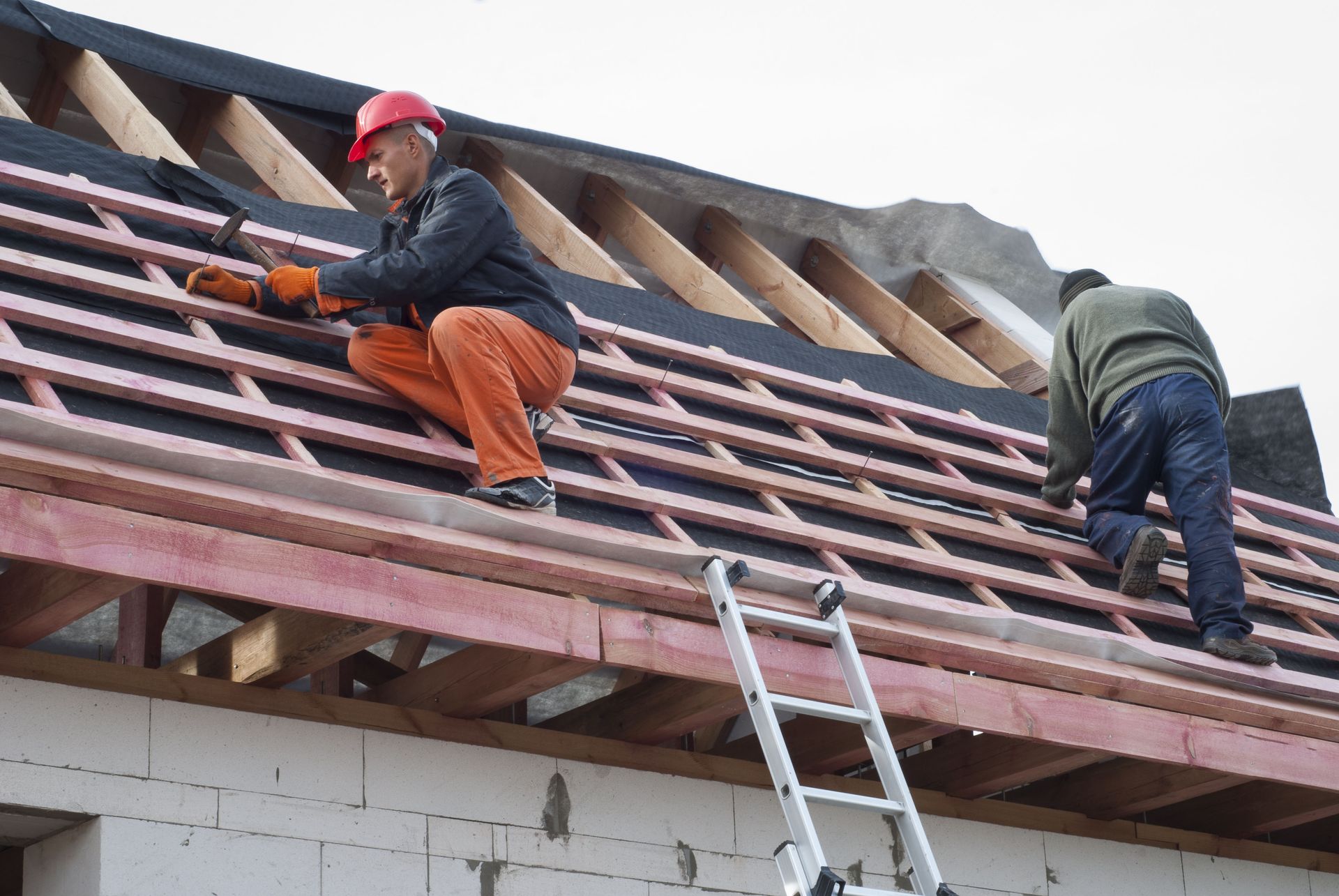
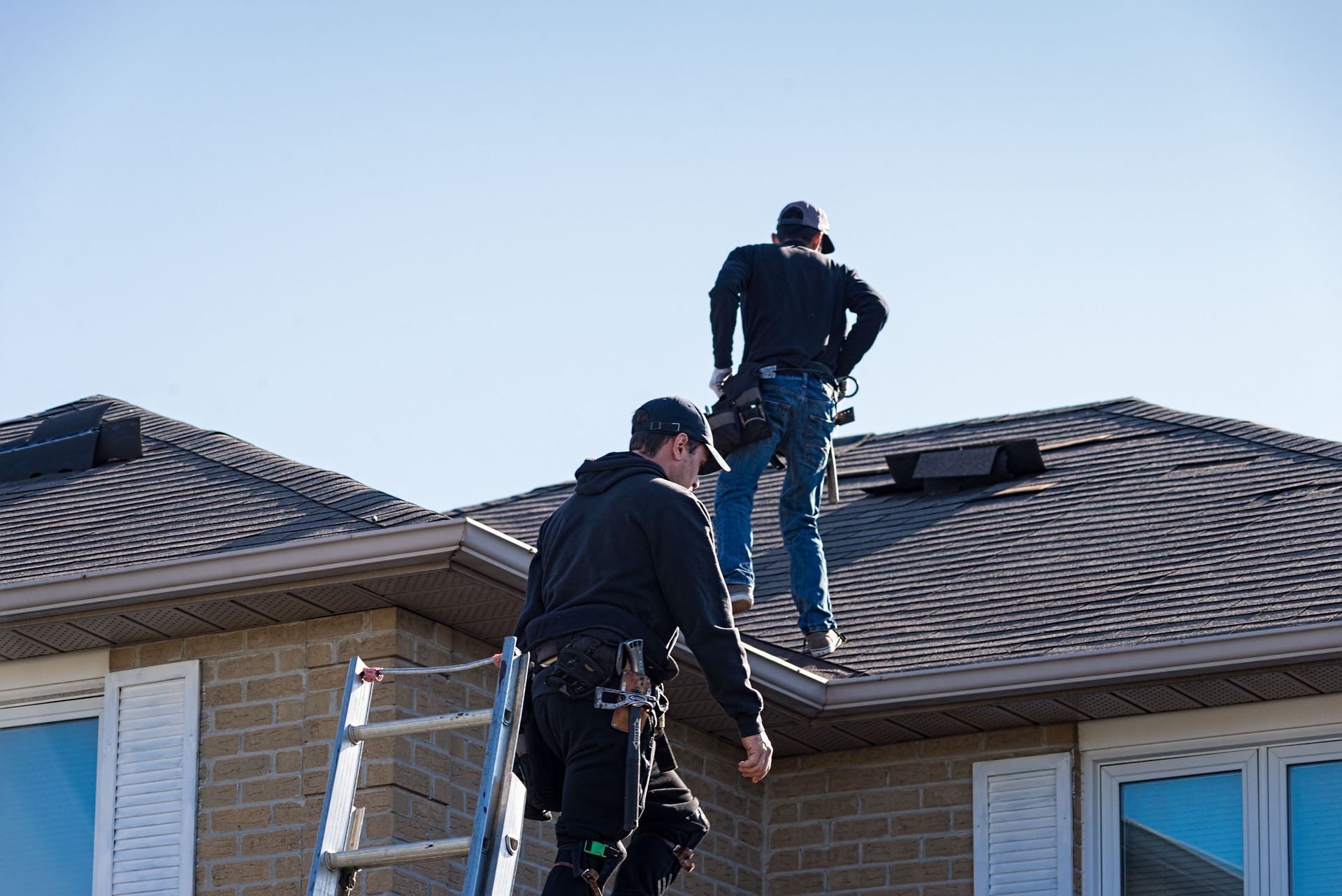
Regular roof inspections are an essential practice for early detection of potential issues. By identifying small problems like cracks or leaks before they develop into significant damage, business owners can take early action to mitigate risks. This proactive approach not only prevents costly repairs but also safeguards against downtime caused by unexpected roof failures. Trained professionals from a commercial roofing company can spot weaknesses that an untrained eye might miss, providing an added layer of protection for the building. Scheduled assessments can serve as a diagnostic tool, flagging areas that require immediate attention.
Regular inspections from a commercial roofing company play a crucial role in extending the life of a roof. According to This Old House, maintenance, including inspections, cleaning gutters, trimming overhanging tree branches, and timely repairs, can add five to 10 years to a roof's longevity. Identifying and addressing minor issues early helps to prevent them from escalating, thereby prolonging the period before costly replacements are necessary. Routine check-ups reinforce the roof's structural integrity and ensure its functional performance in protecting the asset beneath. The longevity of a roof is not just a matter of endurance but also a financial strategy that maximizes return on investment.
The upfront expense of regular inspections is offset by the long-term financial benefits they provide. Catching damage early often means simpler, more affordable solutions compared with extensive repairs required after issues worsen. For example, sealing small leaks promptly can avert the need for more drastic interventions like replacing entire sections of a roof. This foresight results in significant cost savings over time, demonstrating that maintenance today can save financial outlay tomorrow. Furthermore, routine inspections often serve as an insurance requirement, ensuring policy compliance and potential claim validations.
Choosing the Right Roofing Materials
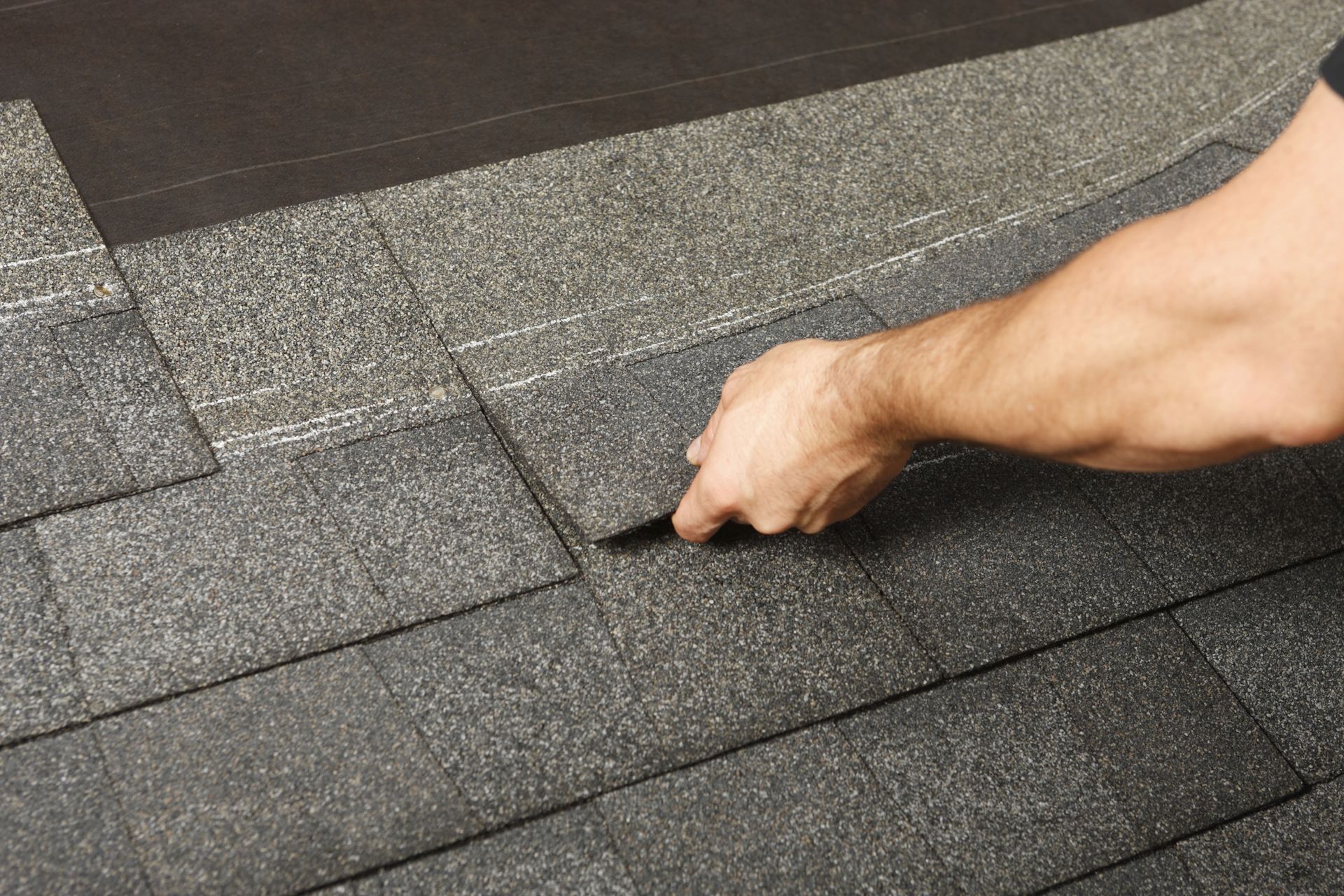
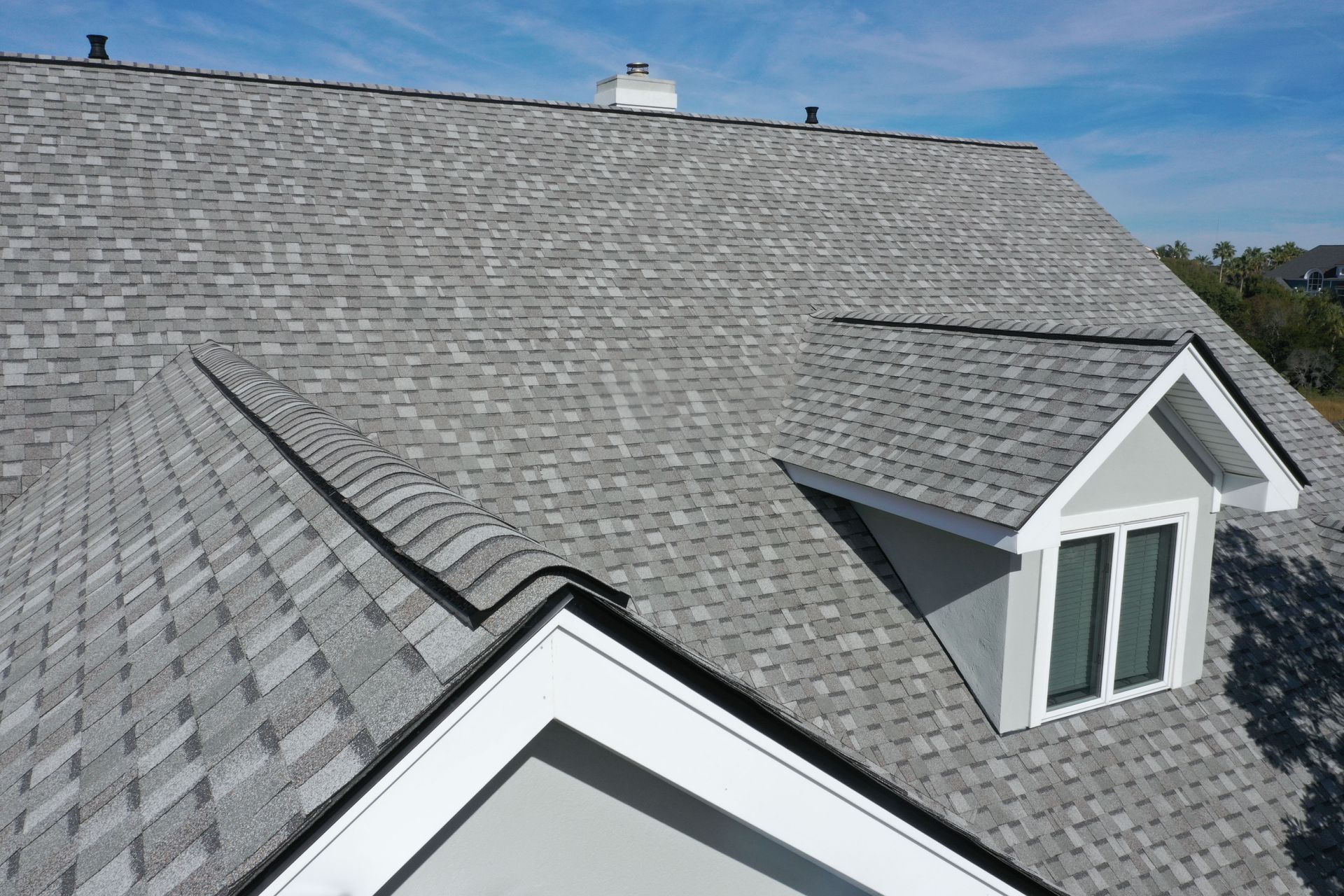
Working with a commercial roofing company and choosing the appropriate roofing materials is fundamental to effective maintenance. Business owners must familiarize themselves with a range of materials, from traditional asphalt shingles to more innovative options like metal roofing or solar tiles. Each material has its distinct characteristics, performance, and aesthetic appeal, which can significantly affect maintenance requirements and overall durability. By understanding these differences, owners can make informed decisions that align with their maintenance capabilities and budget constraints. Properly selected materials can enhance energy efficiency and integrate seamlessly into the building's existing architecture.
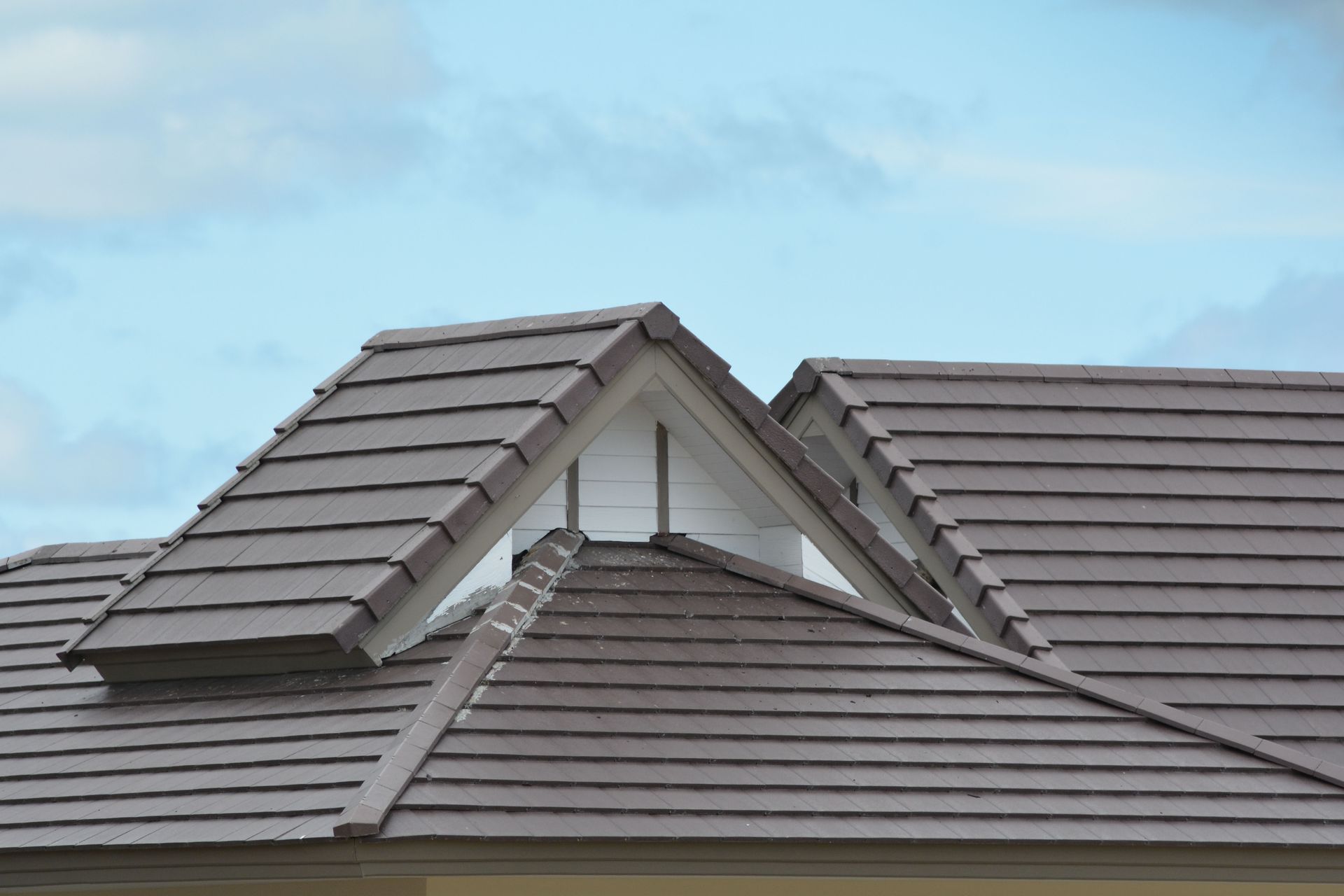
The longevity of roofing materials varies significantly, influencing the frequency and type of maintenance required. For instance, asphalt shingles, though popular, may require more frequent checks compared to durable options such as metal or ceramic tiles. Evaluating the life expectancy of materials helps in planning long-term maintenance schedules and budgeting for replacements when needed. This foresight allows business owners to prepare financially and operationally for future maintenance demands. A strategic choice in materials can alleviate stress and unnecessary expenditure over the course of the roof's lifecycle.
Practicing Routine Maintenance Practices
Regular cleaning and debris removal are cornerstones of roof maintenance. Accumulated debris, such as leaves, branches, and dirt, can trap moisture and cause damage to roofing materials. Moreover, clogged gutters from debris can result in water pooling, leading to leaks and structural damage. Ensuring that the roof and its drainage components are clear of obstructions prevents these problems and extends the lifespan of the roofing materials. A well-maintained roof free of debris indicates diligence and commitment to preserving the property's condition.
Roof flashings, which are strips typically made of metal, seal joints and seams from water infiltration. Over time, they can corrode, break, or dislodge, requiring careful inspections and timely repairs. Insufficient or damaged flashings are common sources of leaks, so regular attention to their condition is vital in maintaining a watertight roof. Proper sealing and repair of flashings can avert costly water damage and promote interior moisture regulation. Business owners should ensure that competent professionals from a commercial roofing company manage this aspect to achieve optimal performance and longevity.
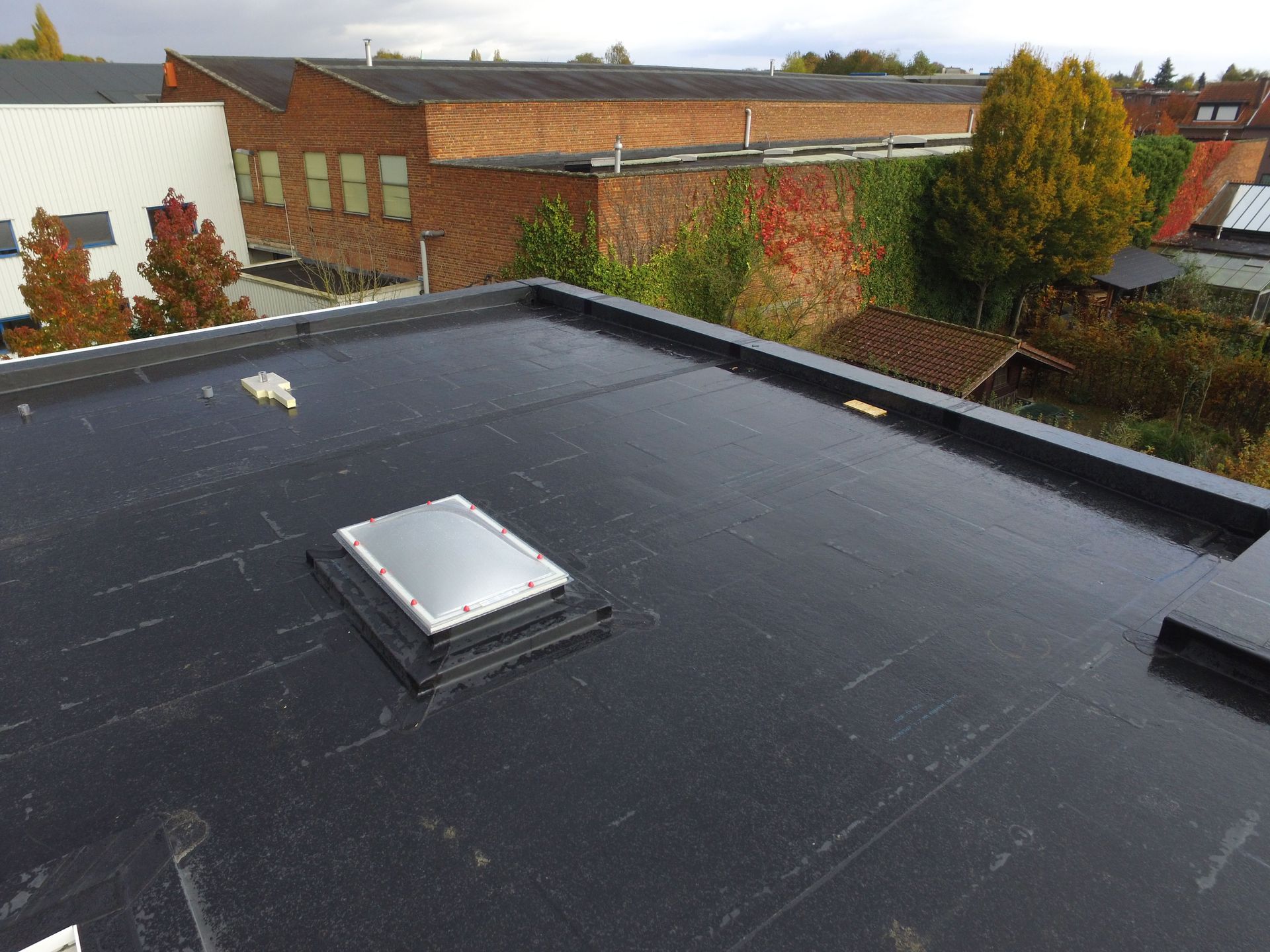
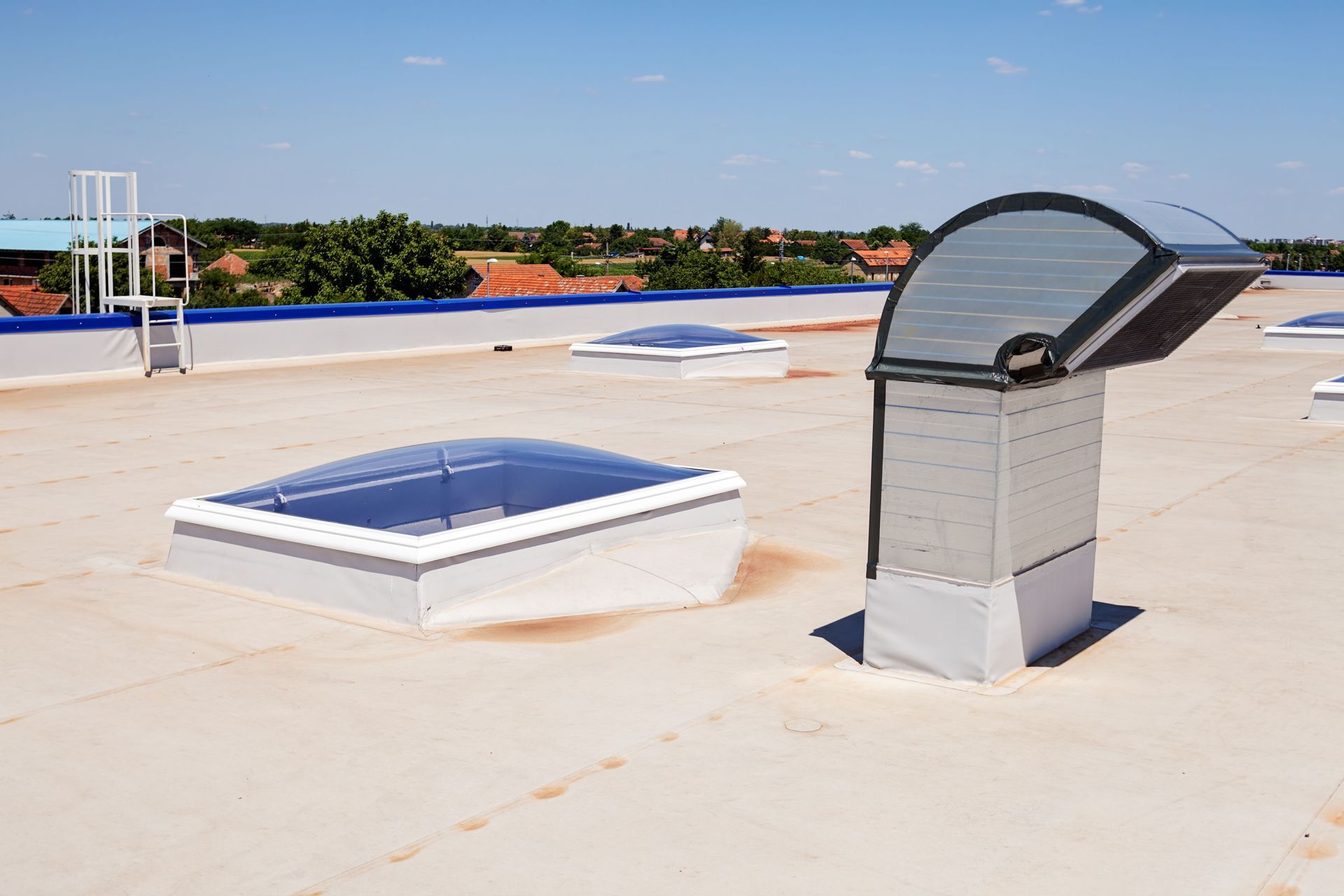
A well-functioning drainage system is essential for removing excess water from the roof efficiently. Gutters and downspouts need periodic checks to confirm that they are free from blockages that might lead to overflow and water damage. Such water build-up can affect the roof's structural integrity and even lead to mold or mildew growth. Proactive maintenance involves cleaning gutters and repairing any damage promptly, especially after storms or autumn leaf fall. Effective drainage management plays a crucial role in protecting not only the roof but the entire building from water-related problems.
Handling Roof Repairs Efficiently
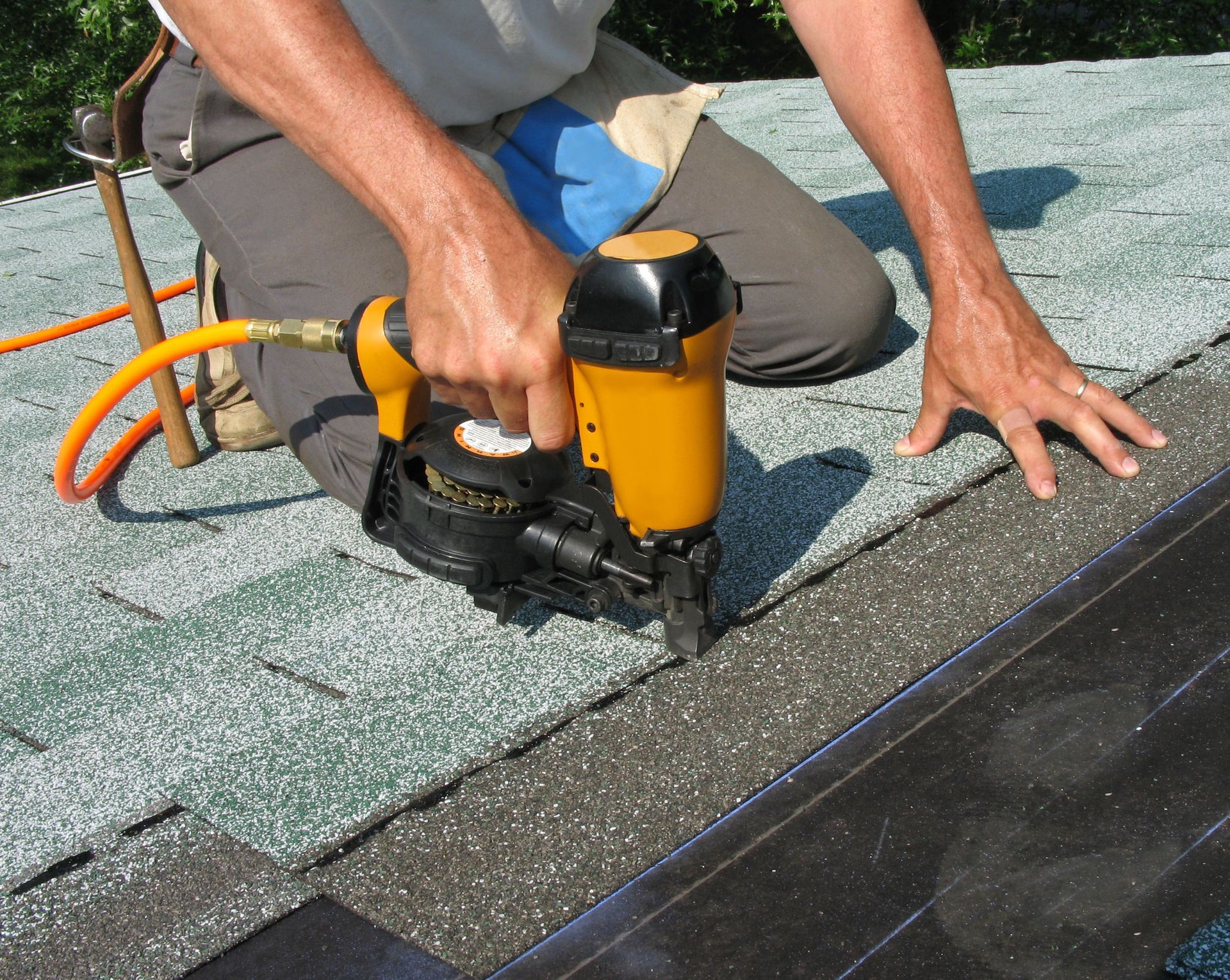
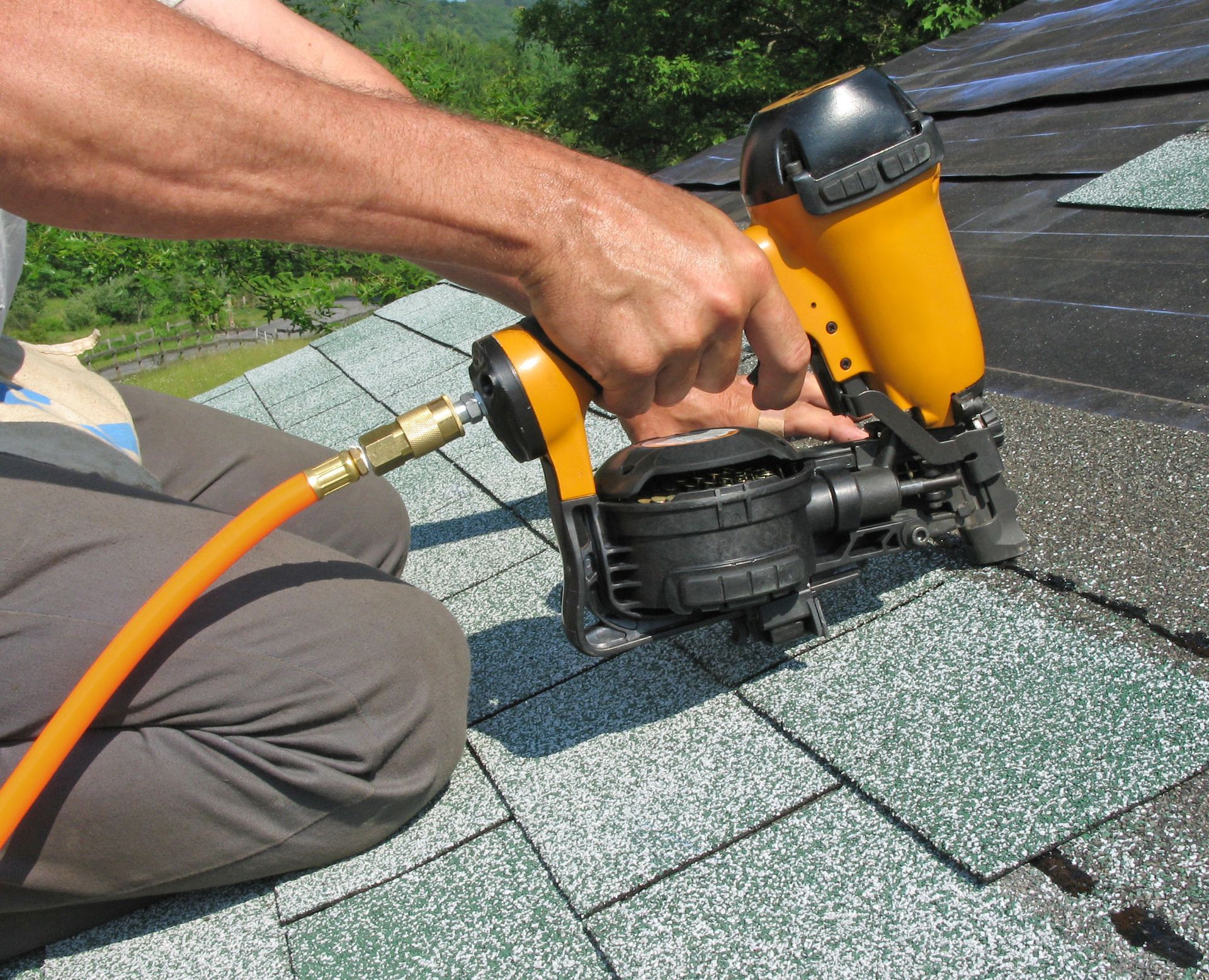
Deciding whether to repair or replace a roof involves understanding the extent of the damage and the roof's age. Minor issues such as small leaks or a few missing shingles can often be addressed through repairs. However, widespread damage or roofs that have reached their expected lifespan may necessitate a full replacement. Evaluating these factors ensures business owners make cost-effective and sustainable decisions. Consulting with a commercial roofing company is advised to accurately determine the best course of action, avoiding unnecessary expenses and ensuring continued structural integrity.
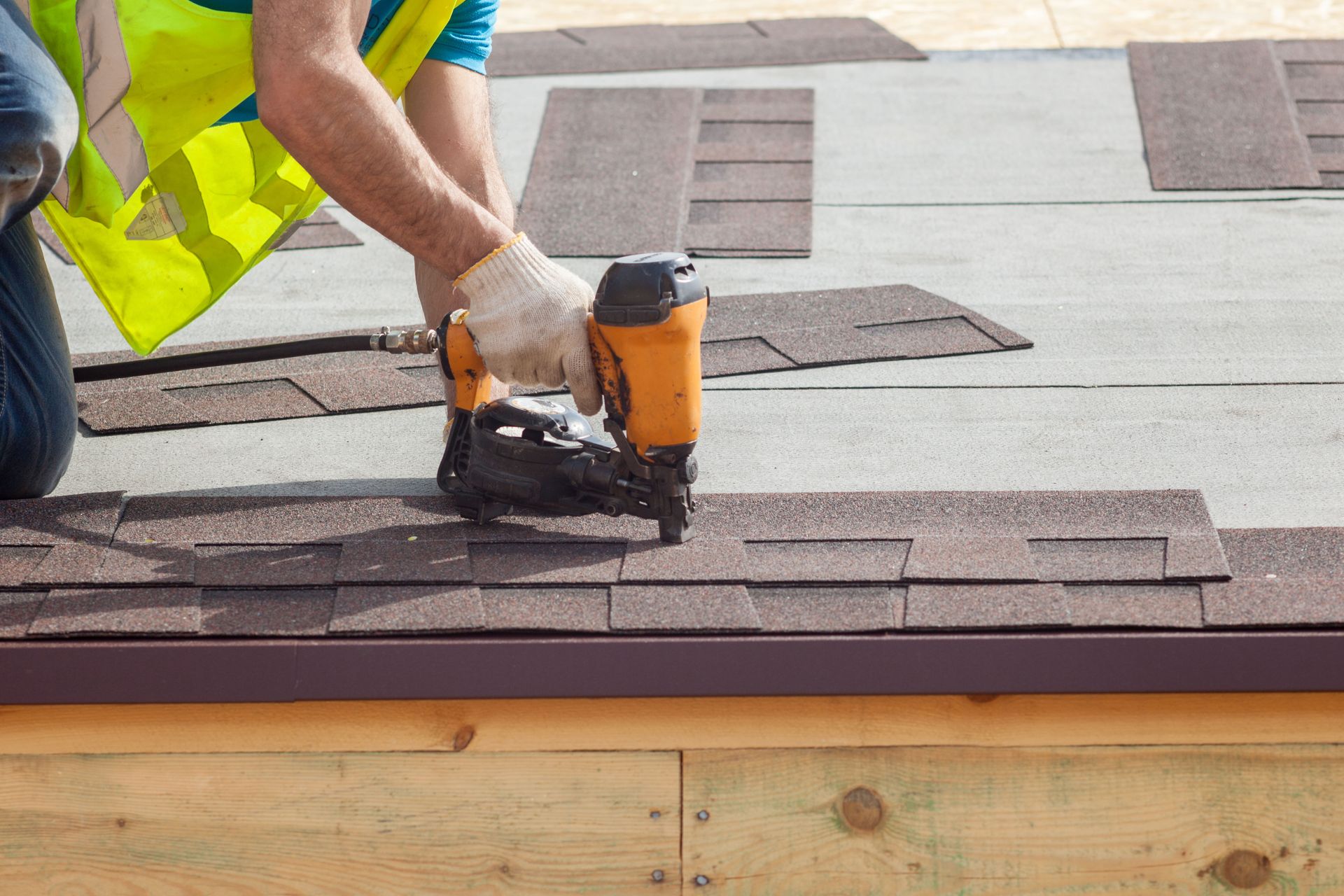
Engaging qualified and experienced roofing contractors is critical to ensuring quality repairs and replacements. Business owners should seek referrals, check credentials, and review past work samples to gauge reliability. Transparent communication about pricing, timelines, and materials used helps establish trust and manage expectations. Contracts should be detailed and protect both parties, specifying the scope of work, payment terms, and warranties offered. A well-executed selection process minimizes risks and contributes to successful roof maintenance efforts.
Preparing for Extreme Weather Conditions
Inspections by a commercial roofing company conducted prior to anticipated storms can help identify vulnerable sections of a roof. Reinforcing these areas protects against the heightened risk of damage resulting from high winds, heavy rain, or hail. Ensuring that roofing materials are secure and drainage systems are cleared can minimize the potential impact of severe weather. This proactive approach also confirms that emergency measures are in place, reducing anxiety surrounding upcoming weather events. Effective planning creates a buffer against the unknown, safeguarding the roof and the business operations it protects.
Identifying and reinforcing weak points is an essential part of maintaining a roof that can withstand extreme weather. Areas such as edges, valleys, or locations with previous repairs may require additional fortification to endure intense conditions. Reinforcement may involve adding extra layers or applying specialized sealants to enhance protection. By focusing on vulnerable areas, business owners can mitigate risks and reinforce their roof's integrity. Prioritizing this aspect of maintenance is essential to avoid the consequences of structural failures during adverse weather.
Don't wait for a leak to tell you there's a problem. Protect your property and extend the life of your roof with a comprehensive inspection from the experts who understand local conditions best. Contact McChesney Lueck Roofing, LLC today to book your professional consultation with our commercial roofing company and ensure your business is covered for years to come.
Share On: