
Roof Replacement 101: What to Expect From Start to Finish
In this comprehensive guide, we will take you through the entire process of roof replacement. From the initial assessment to the final inspection, you will learn what to expect and how to prepare for each stage of the journey. Replacing a roof is a significant investment, and knowing what it entails will help you make informed decisions. Not only does the process involve technical steps, but it also requires careful planning and coordination with professionals. Whether you're facing a leaky roof or simply upgrading your home's protection, this guide has you covered.
Preparing for Roof Replacement
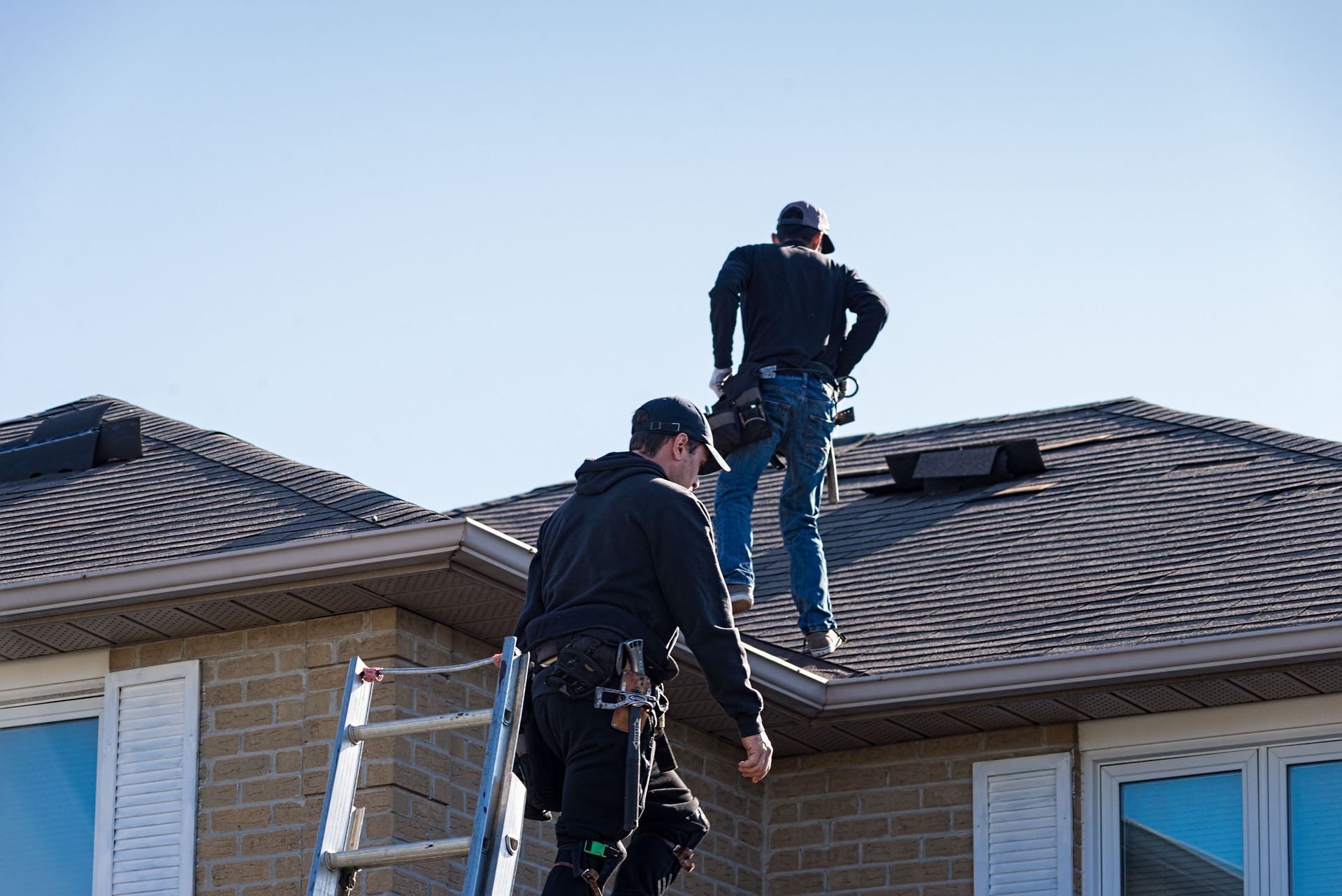
The first step in roof replacement is assessing the current state of your roof. Look for visible signs of wear and tear, such as missing shingles, curling, or leaks inside your home. It may be beneficial to hire a professional inspector to evaluate the integrity of your roof. Assessing your roof's condition will help determine the urgency of the replacement and identify any underlying issues. This initial assessment will serve as the foundation for all subsequent steps in the process.
Setting a Budget
It is crucial to set a budget when planning for a roof replacement. Costs can vary widely based on factors such as the size of your roof, the materials chosen, and the complexity of the installation. It's essential to include not just the material and labor costs, but also any potential expenses like debris disposal and permits. Planning your finances meticulously can save you from unexpected financial burdens. Remember, this investment adds value to your home, so allocate your resources wisely.
Choosing the Right Roofing Material
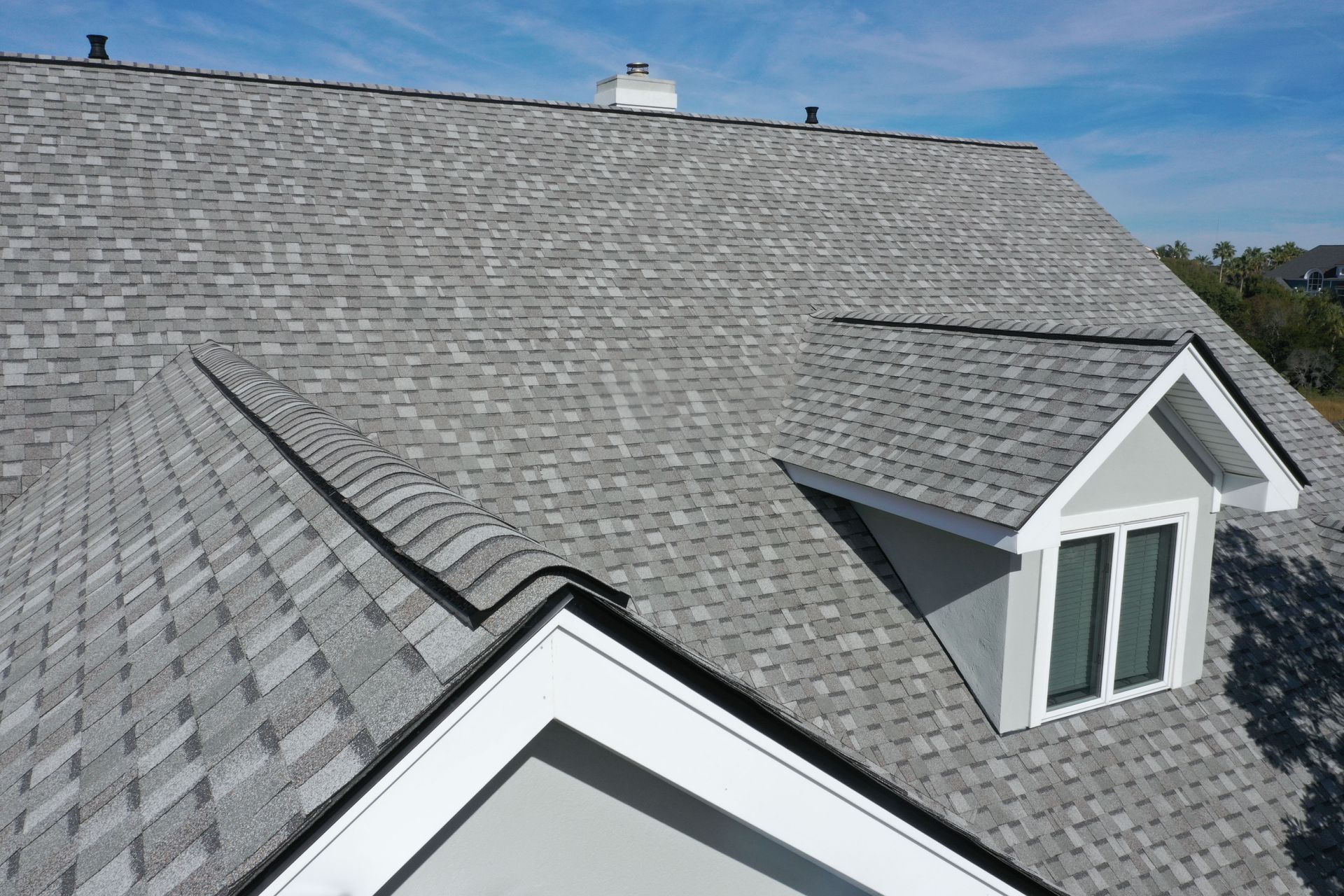
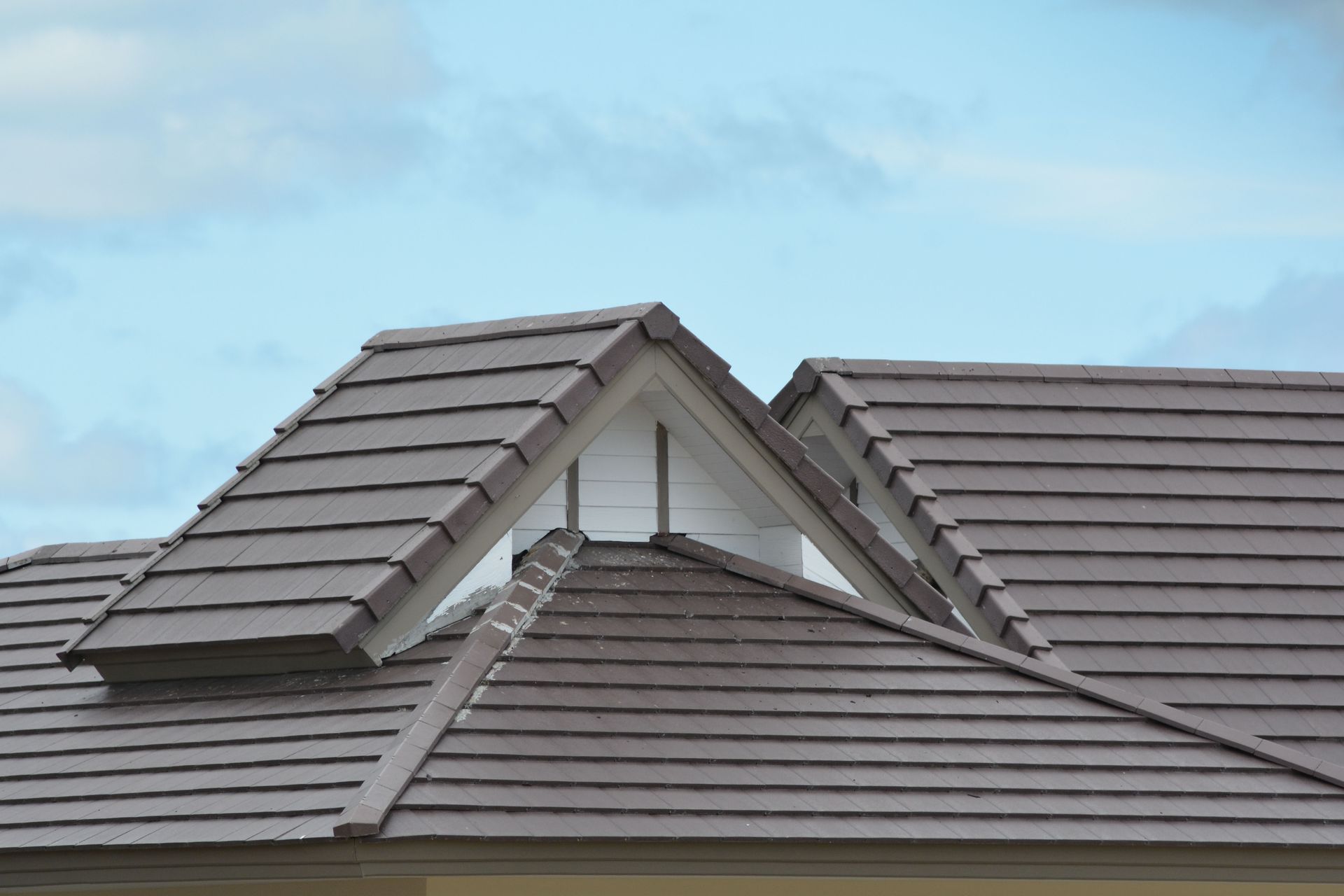
Picking the right roofing material is a decision that affects the longevity and aesthetics of your home. Various materials, such as asphalt shingles, metal, slate, or wood, have distinct advantages and drawbacks. Factors like climate, architectural style, and budget play a significant role in this decision. Consider the durability, maintenance requirements, and energy efficiency of each type. Consulting with a roofing expert can provide insights into which material aligns with both your needs and regional requirements.
Finding a Reliable Contractor
Locating a reliable contractor is critical to ensure quality work and a smooth roof replacement process. According to This Old House, around 79% of homeowners hired roofing contractors for roof renovation projects. Research potential contractors by checking online reviews, asking for referrals, and verifying their credentials. Ensure they have the necessary licenses and insurance to work in your area. A reliable contractor will offer a comprehensive estimate and communicate clearly throughout the project.
Scheduling Your Roof Replacement
Once everything is in place, schedule your roof replacement. The timing can be critical; seasons often affect the availability of contractors, and weather conditions impact the process. Aim for a period when conditions are optimal, avoiding harsh weather extremes that could delay work. Provide neighbors and family with a timeline, so they know when to expect construction activity. A well-scheduled replacement minimizes disruptions and ensures that the process proceeds smoothly from start to finish.
Understanding the Roof Replacement Process
The initial consultation with a roofing contractor sets the tone for your roof replacement journey. During this meeting, the contractor will evaluate your roof and discuss your needs and preferences. You should expect to receive a detailed estimate that outlines costs for materials, labor, and any additional charges. This estimate serves as a blueprint for the project and should align with your budget. Transparency and communication during this phase are key to building trust with your contractor.
Signing the Contract
Before any work commences, a formal contract should be signed between you and your contractor. This document should clearly detail the scope of work, project timeline, payment schedule, and materials used. Ensure that all verbal agreements are captured in writing to avoid misunderstandings. Review the terms carefully, potentially with legal help, to ensure your interests are protected. Signing a contract offers peace of mind and lays the legal groundwork for a successful project.
Obtaining Permits
A crucial step that should not be overlooked is obtaining the necessary permits. Most municipalities require permits for roof replacements to ensure compliance with local building codes. Your contractor typically handles the permit application process, but it's your responsibility to confirm that all permits are in place. Failure to obtain proper permits can result in fines or complications if you try to sell your home. Permitting ensures that your new roof meets safety and structural standards.
Planning the Logistics
The process of planning logistics involves coordinating various aspects such as the delivery of materials and the scheduling of work crews. This phase requires collaboration between you and your contractor to ensure that everything is on track. Consider access routes for equipment and where materials will be stored. Adequate planning minimizes delays and keeps the project within the planned timeline. Good logistical planning eliminates bottlenecks and streamlines the entire roof replacement process.
Preparing Your Home
Starting the preparation process for your home on the roof replacement day is essential for minimizing disruptions. Cover items in your attic and surrounding landscape to protect them from debris. Inform family members about the project to manage expectations and safety considerations. Try to clear driveways and pathways to allow easy movement of materials and equipment. A well-prepared home environment ensures that both your property and loved ones remain safe throughout the process.
Removing the Old Roof
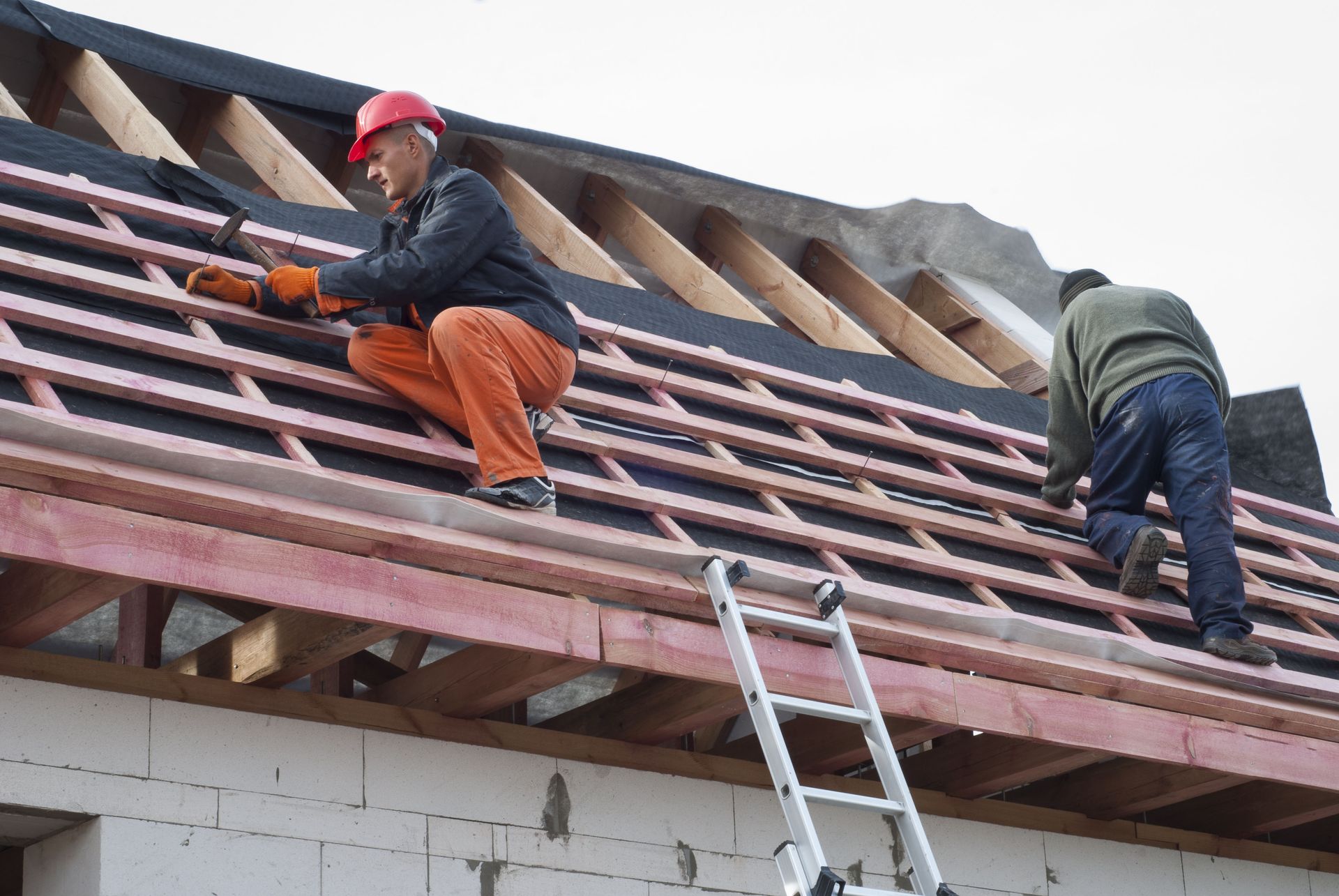
Safety should be a top priority during the removal of the old roof. Contractors must adhere to safety protocols such as wearing protective gear and setting up caution areas. You should keep children and pets away from the worksite for their safety. Ensure that ladders and tools are securely fastened and that debris is properly managed to avoid accidents. Adhering to safety measures mitigates risks and ensures a smooth roof removal process.
Stripping Away Old Shingles
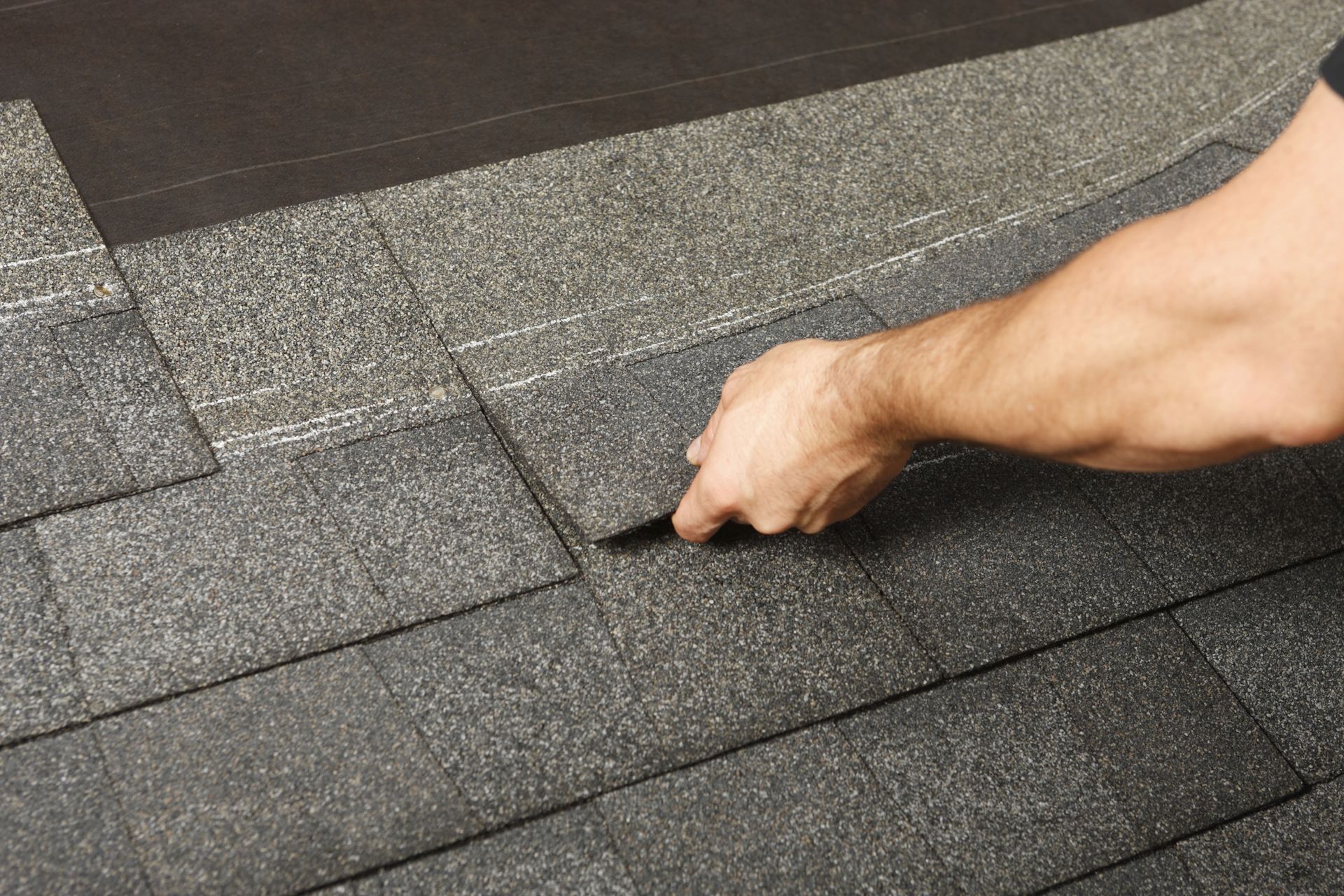
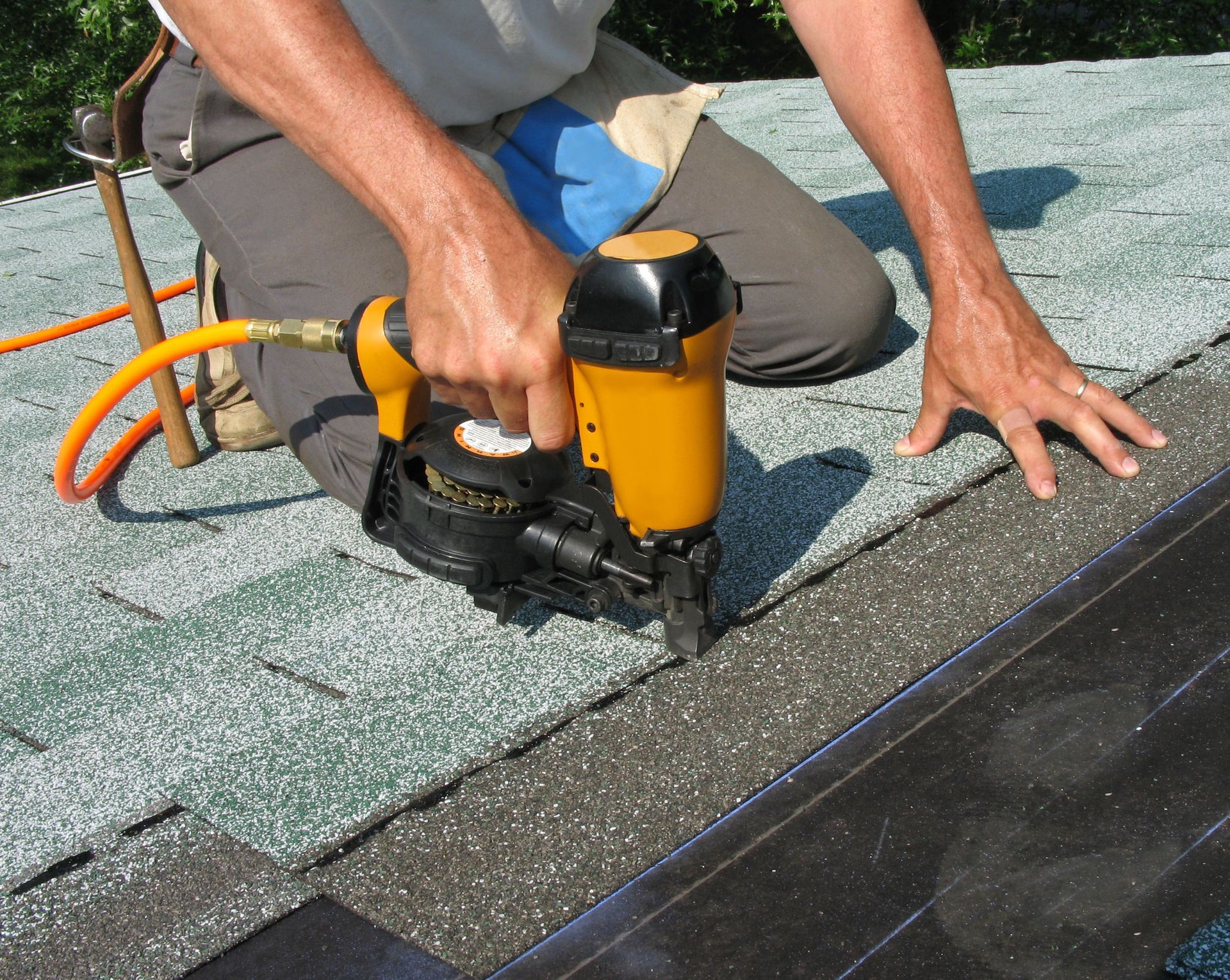
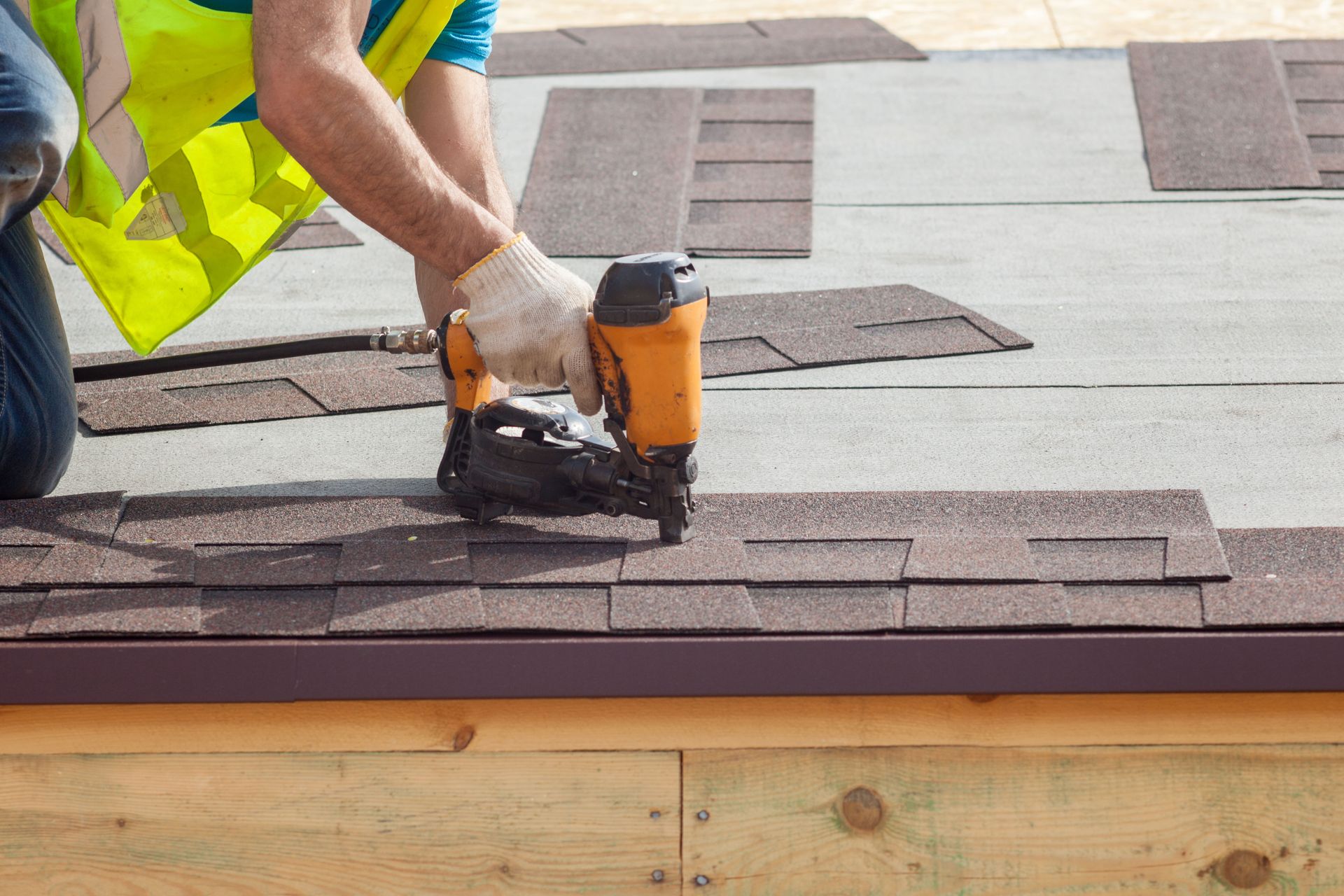
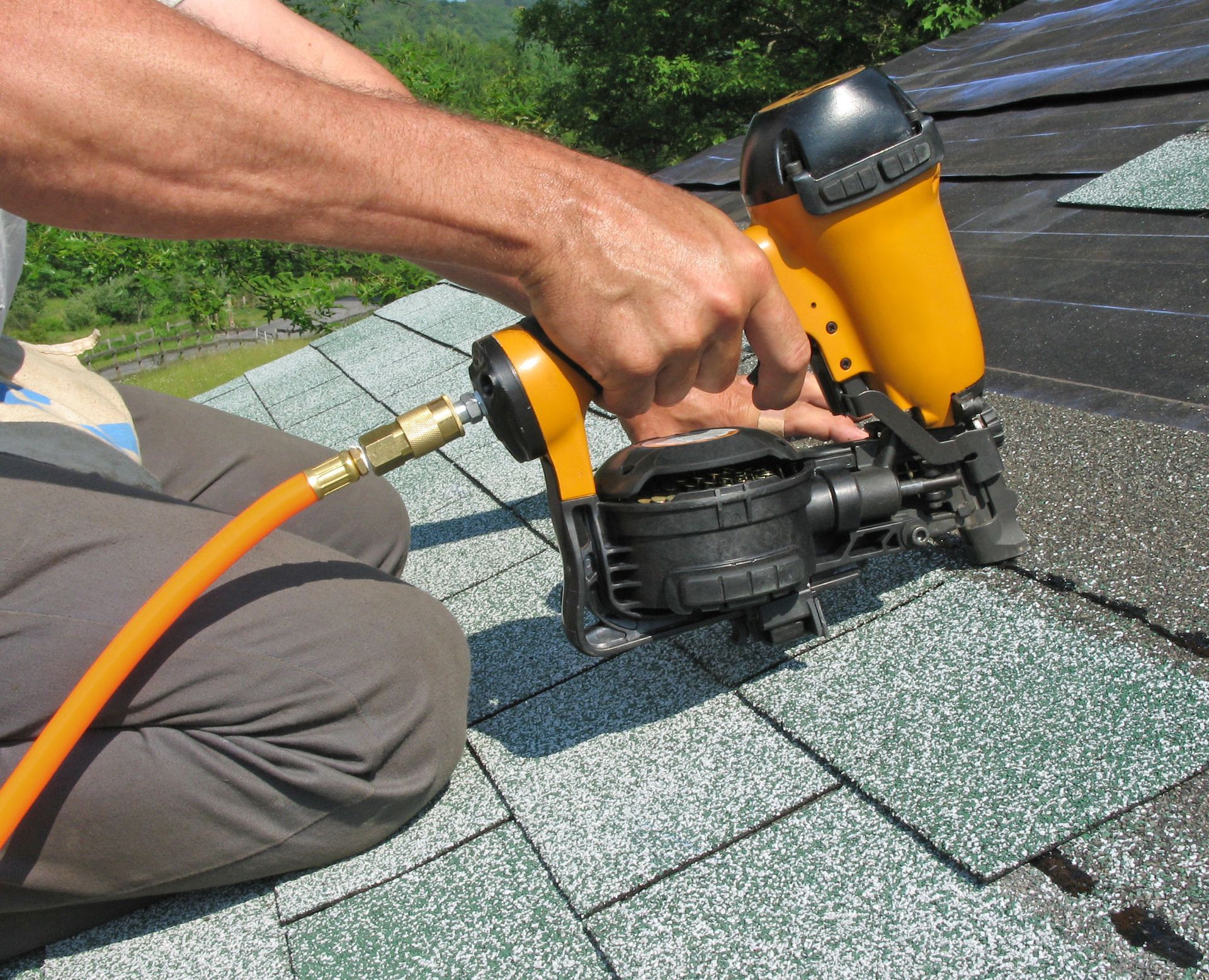
Removing old shingles is a labor-intensive task that requires careful execution. Contractors will systematically remove shingles, starting from the top and working their way down. This process can reveal the condition of the roof decking and any potential problem areas. Removing shingles allows contractors to inspect for any underlying damage that needs to be addressed. Efficient removal protects the structural integrity of your home and sets the stage for a clean installation.
Inspecting Underlying Structures
Once the old roof is removed, the underlying structures become visible for a thorough inspection. Any signs of rot or damage to the decking need immediate attention to prevent future issues. Your contractor will assess the condition of the woodwork, ensuring it is sturdy enough to support the new roof. Identifying and addressing structural issues at this stage prevents complications during the installation of the new roof. A sound structure is vital for the long-term success and safety of your new roof.
Successfully replacing your roof can enhance the beauty, safety, and value of your home. By understanding what to expect at each step of the process, you can ensure that your roof replacement goes smoothly and meets all your needs. Proper planning, choice of materials, and collaboration with a trusted contractor are vital. With this comprehensive guide, you are well-equipped to navigate the complexities of roof replacement. Your new roof will not only protect your home but also contribute to its overall efficiency and curb appeal. If your home requires a roof replacement in the Pittsburgh, PA area, contact McChesney Lueck Roofing, LLC today.
Share On: