
How to Know It's Time for Roof Replacements
Understanding when to replace your roof is crucial for maintaining the structural integrity and value of your home. This article provides a comprehensive guide to help you determine the right time for a roof replacement by examining key indicators and considerations. Roof replacement is a significant financial commitment, and making an informed decision can save you from costly repairs down the line. Knowing the signs that indicate a roof's end of life and recognizing how factors like climate and building materials affect longevity are essential for homeowners. This guide is designed to equip you with the knowledge needed to maintain your home's protective shelter effectively.
1. Visible Damage and Wear
1.1. Missing or Damaged Shingles
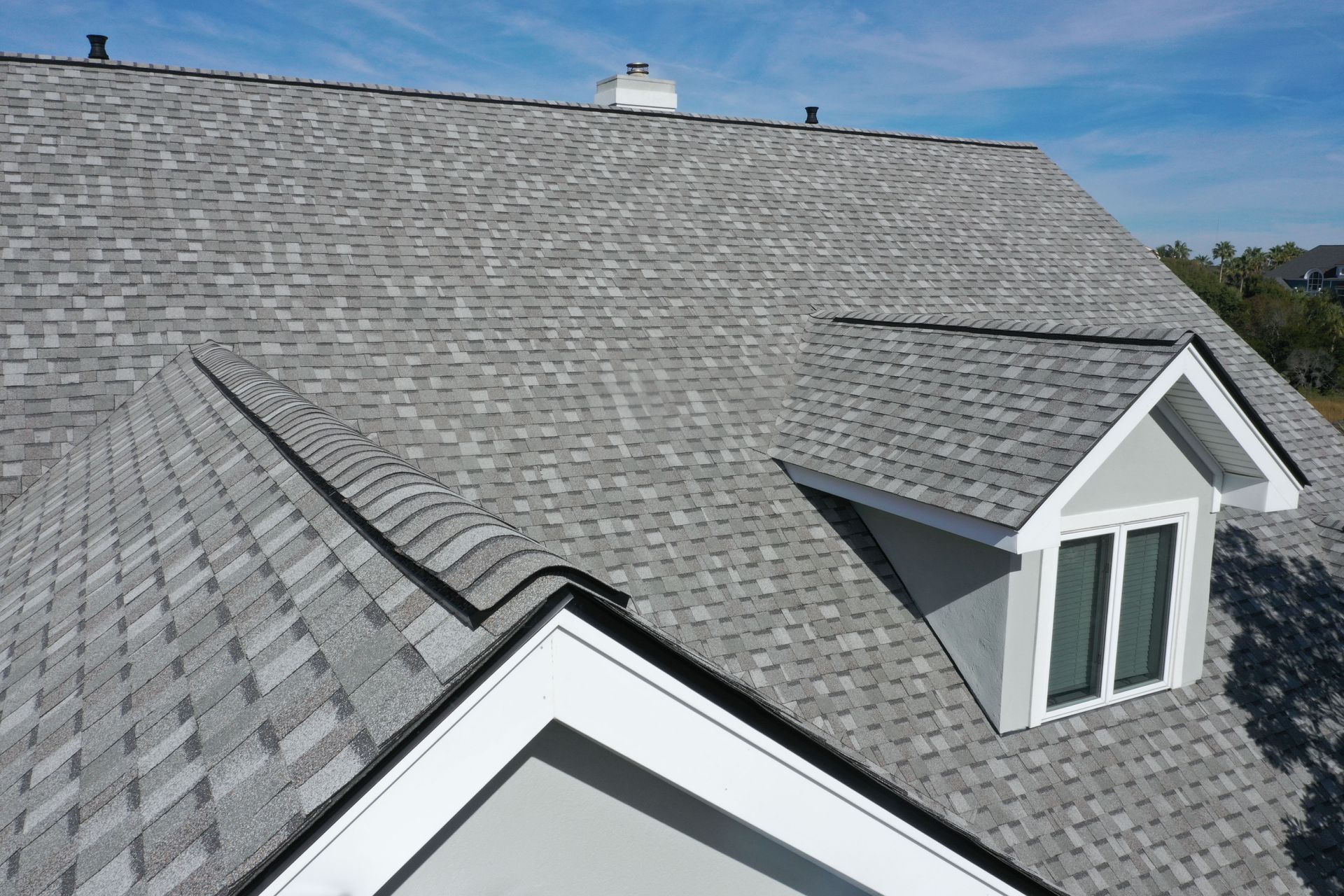
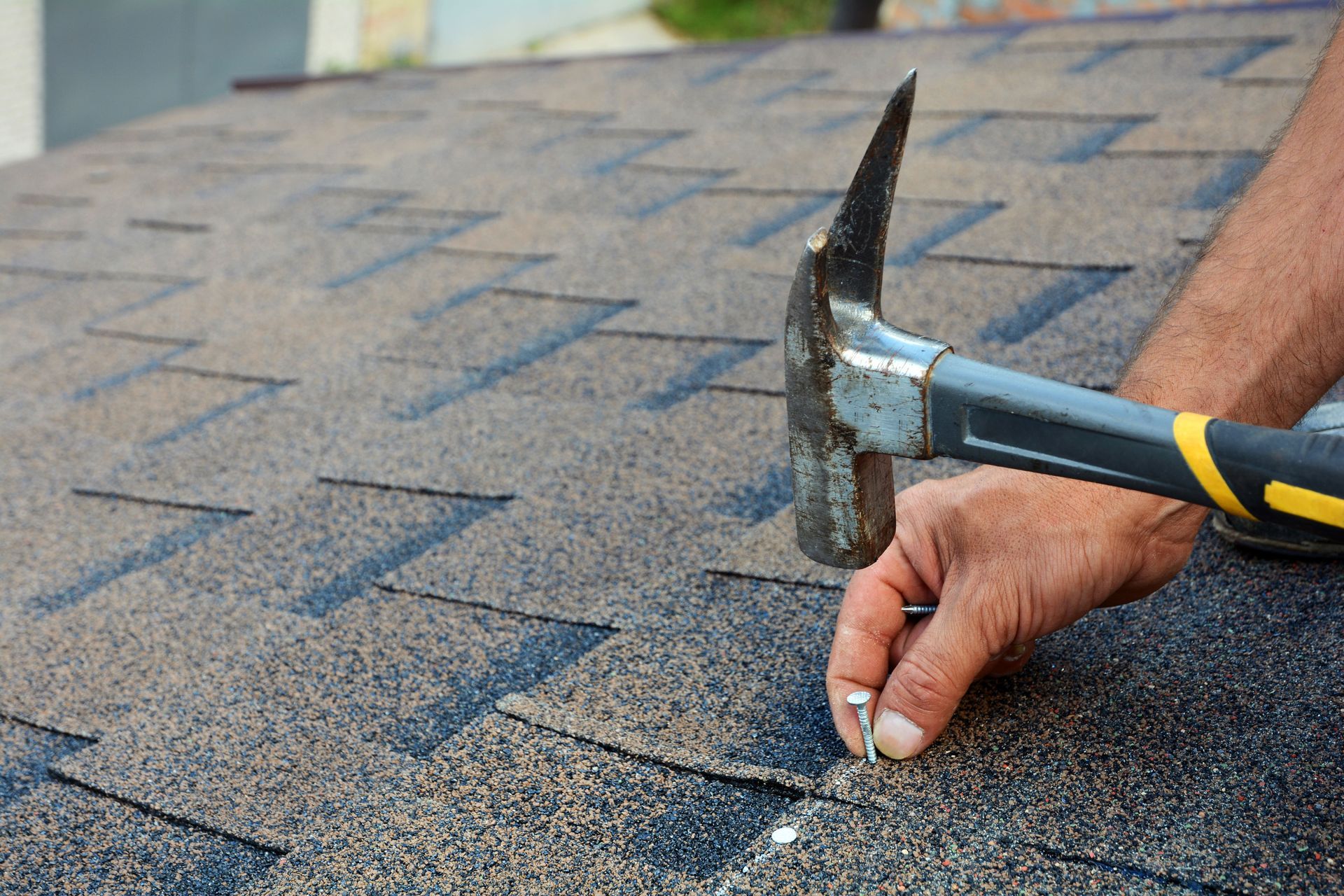
Often the first sign of roof deterioration is missing or damaged shingles, which can indicate potential vulnerabilities. When shingles are exposed to harsh elements like UV rays, wind, and rain, their longevity decreases significantly. Over time, extreme weather can cause shingles to crack, curl, or even be blown away, exposing the underlying roofing materials to damage. If left unchecked, these damaged areas can lead to leaks and extensive water damage inside your home. Prompt attention to these issues can prevent costly repairs and prolong the life of your roof.
1.2. Granule Loss
Granule loss on shingles is another critical indicator of roof wear and deterioration. Granules serve a protective function, shielding shingles from UV rays and adding weight to help them adhere during high winds. As these granules dislodge over time, the shingles become less effective and more susceptible to the elements. This wear can be observed in gutters where granules often accumulate, suggesting that the shingles are nearing the end of their lifespan. Regular inspection and maintenance can help spot these signs early and guide decisions on potential roof replacement needs.
1.3. Sagging Roof Deck
A sagging roof deck is a dangerous sign that your roof may need immediate attention or replacement. This structural issue often arises from prolonged exposure to water, leading to rotting and weakening of the underlying materials. A sagging roof can pose severe safety risks and might collapse if not addressed promptly. Regular inspections can help identify early signs of sagging, such as dips or depressions in the roofline. Timely interventions can avert catastrophe, emphasizing the importance of routinely monitoring the condition of your roof deck.
1.4. Water Damage and Stains
Water damage and stains on ceilings or walls inside your home often signal roof-related issues requiring attention. Water intrusion typically occurs when the roof's protective barriers are compromised, leading to leaks during rain or snowfall. Early detection of water stains can prevent further damage and mold growth, both of which can be costly to remediate. Homeowners should regularly inspect attics and upper walls for signs of water penetration. Addressing minor leaks promptly can prevent them from developing into significant problems, preserving the home's interior and structural integrity.
2. Energy Efficiency and Costs
2.1. Rising Heating and Cooling Bills
A noticeable increase in heating and cooling bills can be a symptom of an inefficient or aging roof. As roofs deteriorate over time, their ability to maintain interior temperature weakens, leading to higher energy consumption. Investing in roof replacement can significantly impact energy efficiency, reducing energy costs. Improved insulation and sealing during replacement enhance the home's ability to retain temperature, decreasing HVAC system strain. Assessing energy bills over time can provide insight into when a roof replacement could result in cost savings.
2.2. Solar Panel Integration
With the rise in sustainable living, integrating solar panels during roof replacement is becoming a popular choice among homeowners. A roof replacement offers an ideal opportunity to consider solar panels, maximizing energy use and potentially reducing utility costs. Modern roofing materials support easy integration with solar technology, providing both eco-friendly and financial benefits. Homeowners should assess the positioning, roof pitch, and structural suitability for solar panel installation. Incorporating this technology into a roof replacement can enhance energy independence while increasing property value.
2.3. Enhancing Ventilation
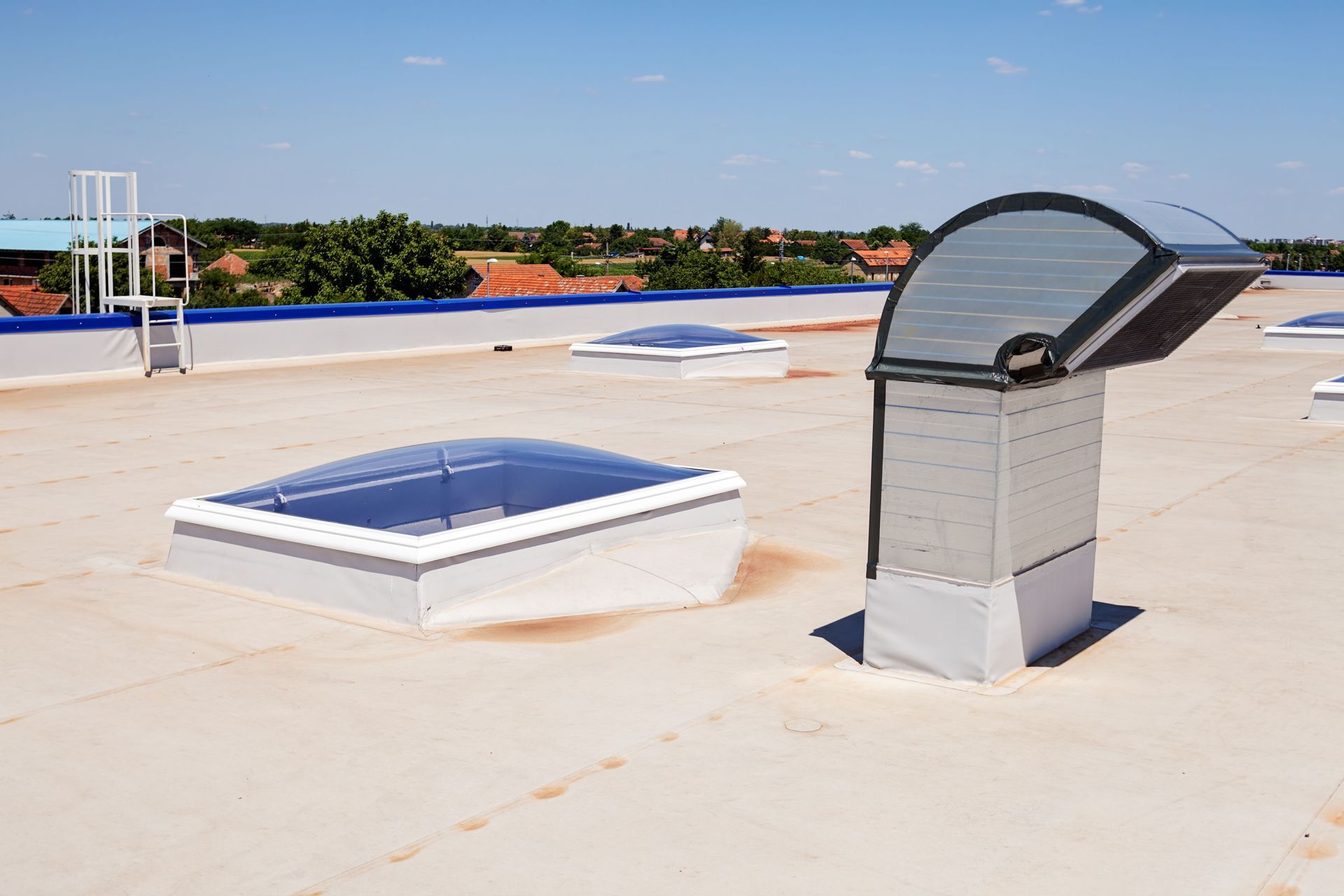
Roof replacement projects provide an opportunity to improve attic and roof ventilation, enhancing energy efficiency. Proper ventilation is crucial in reducing heat buildup, preventing moisture retention, and extending a roof's life span. Various options, including ridge vents and attic fans, help achieve optimal airflow, reducing attic temperature and cooling costs in summer. Addressing ventilation needs during a roof replacement can result in improved indoor comfort and air quality. Planning this enhancement allows for an efficient, long-lasting, and comfortable living environment.
2.4. Cost-Benefit Analysis of Replacement
Conducting a cost-benefit analysis can clarify the financial advantages of a roof replacement versus ongoing repairs. While upfront costs for a new roof can seem daunting, the long-term savings can offset this investment. Improved energy efficiency, reduced maintenance, and increased property value are significant benefits accompanying a new roof. Analyzing the lifecycle costs of different roofing materials and expected benefits aids in making informed decisions. Homeowners should weigh these considerations carefully, aligning them with personal finance goals and home improvement plans.
3. Current Market Conditions and Trends
3.1. Advances in Roofing Technology
Recent advances in roofing technology make replacement more beneficial than ever, offering durability and energy efficiency improvements. New materials, such as cool roofs that reflect more sun, can significantly reduce heat absorption and lower cooling costs. Innovative designs that include built-in solar capabilities or advanced insulation options offer homeowners smart energy solutions. Keeping abreast of these technological advancements ensures that when considering a roof replacement, you can select the latest and most effective options. Choosing new technologies can offer substantial benefits in both utility savings and environmental impact.
3.2. Property Value Impact
A new roof can significantly impact your property's market value, serving as an attractive feature for potential buyers. Buyers often view a recently replaced roof as reducing future maintenance costs, making the property more appealing. Additional benefits include improved aesthetics and energy efficiency, enhancing the home's desirability on the market. In many cases, the investment in a new roof can provide a substantial return by increasing the property's sale price. Homeowners considering selling should factor in this potential value increase when planning a replacement.
3.3. Timing and Scheduling
Deciding the optimal timing for a roof replacement is an essential factor in project planning and cost management. Engaging with market trends, such as material availability or seasonal demand, can influence the timing and cost-effectiveness of your project. Typically, late spring through early autumn provides favorable weather conditions for roof work, although this varies by region. Scheduling flexibility can help avoid peak pricing periods, potentially saving costs and ensuring timely project completion. Evaluating these factors ensures that the timing of your roof replacement aligns with financial and logistical priorities.
3.4. Seasonal Influences on Roofing Work
The feasibility and cost of roofing projects can be influenced by seasonal variations, impacting scheduling and budgeting decisions. Certain seasons, notably winter, can present challenges such as cold weather or precipitation, complicating installation and adherence processes. Conversely, milder seasons support optimal working conditions, often facilitating quicker, smoother installations. Understanding the seasonal dynamics in your area enables better planning for roof replacement, minimizing disruptions caused by adverse weather conditions. Strategic timing based on seasonal conditions ensures the successful completion of your roofing project within budget.
Deciding to replace your roof is a significant financial decision, but understanding the indicators for necessary replacement helps protect your home's integrity and value. By evaluating the visible signs of wear, assessing energy efficiency, understanding market trends, and consulting professionals, you can ensure the timing is right for your roof replacement. According to RubyHome, about 5 million roofs are installed each year in the United States, indicating the regular need for replacements and upgrades in the sector. This statistic underscores the importance for homeowners to engage with the information and resources available to make informed roofing decisions. If you're looking for roof replacement services, contact McChesney Lueck Roofing, LLC today.
Share On: