
Flat Roofing for Your Home: What Are the Pros and Cons?
In recent years, flat roofing has become a popular choice among homeowners due to its modern aesthetic and cost-effectiveness. However, making an informed decision requires understanding both the benefits and drawbacks of this roofing option. This article explores the pros and cons of flat roofing, with a detailed analysis of its material options, installation process, maintenance needs, climate considerations, cost implications, and aesthetic appeal.
Section 1: Benefits of Flat Roofing
1.1. Cost Efficiency
Flat roofing is often more cost-efficient compared to traditional pitched roofs. The simplicity of its design requires fewer materials and labor costs during installation. This cost-effectiveness can be appealing for homeowners looking to renovate or build on a budget. Furthermore, flat roofs offer potential savings on energy bills due to efficient use of heating and cooling systems. This makes flat roofing a financially attractive option for many households.
The reduced material requirements of flat roofs lead to significant initial savings. Without the intricate framework needed for pitched roofs, the cost of materials is kept to a minimum. Labor costs are also reduced as the installation process is generally quicker and easier. Lower costs do not necessarily imply lower quality—for many homeowners, flat roofing offers durable and reliable shelter. This aligns with budgetary considerations without sacrificing the structural integrity of the home.
While flat roofing is typically more affordable upfront, it also provides long-term economic benefits. Routine maintenance and repair of a flat roof are often less complicated and expensive than those of pitched roofs. The relatively easy access to flat roof surfaces allows for more straightforward maintenance procedures. Additionally, the potential for lower heating and cooling expenses contributes to its overall value. Over time, these cumulative savings can make a considerable difference to household finances.
1.2. Ease of Installation
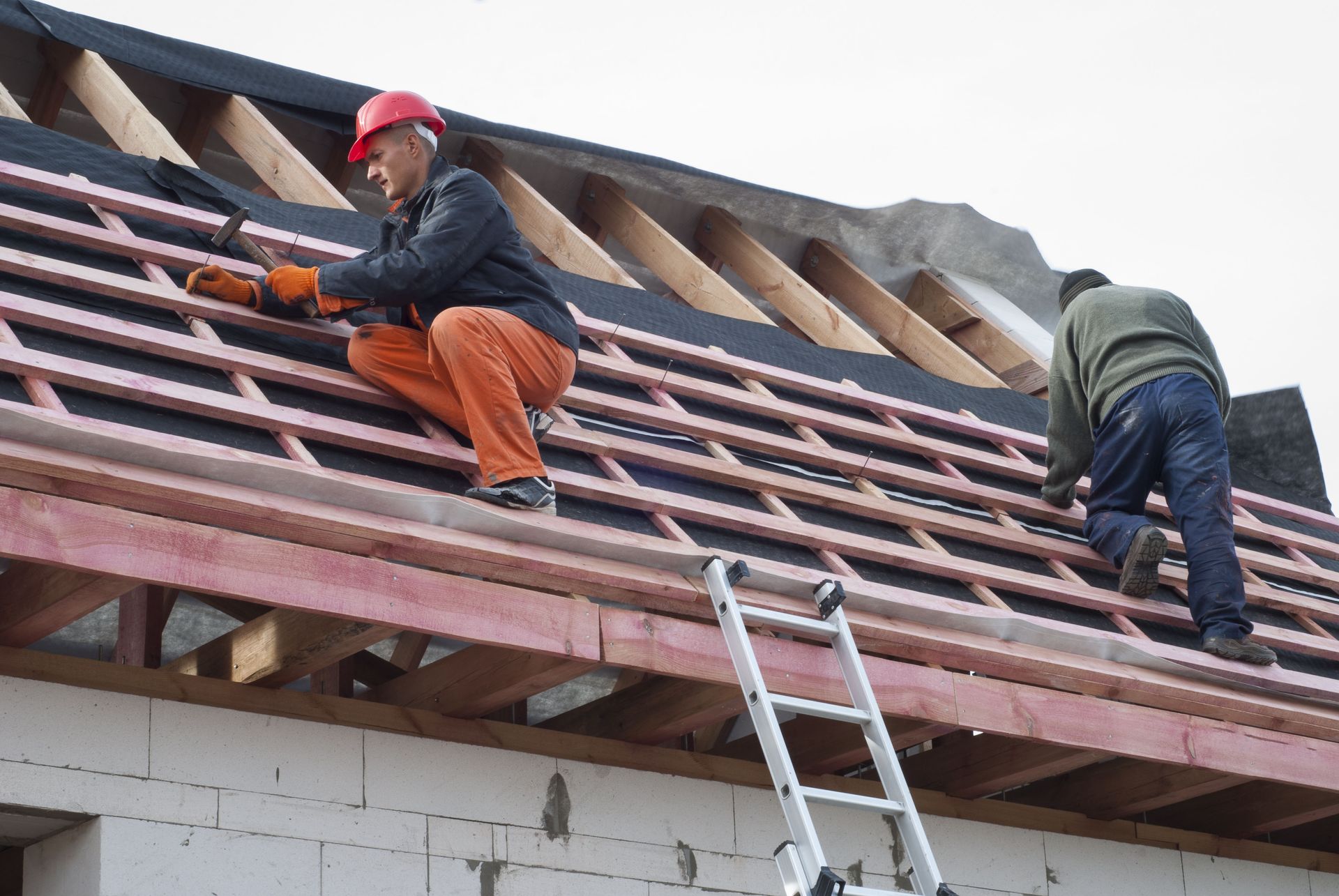
The installation process of flat roofs is generally more straightforward than that of sloped roofs. The straightforward, horizontal layout reduces the complexities seen with angled roofing structures. This ease of installation translates to quicker project completion and reduced labor costs. In many cases, the roofing process can be completed within a few days, minimizing disruption for homeowners. These advantages make flat roofs an appealing choice for those prioritizing efficiency.
Professionals find the installation of flat roofs less cumbersome, which often results in higher quality workmanship. Due to the simplified structure, fewer technical skills are required to complete the project, reducing potential errors. The minimized need for scaffolding or complex equipment also contributes to ease of installation. This aspect is particularly beneficial for renovations where time constraints are a concern. Ultimately, less complexity often leads to lower costs and higher satisfaction.
Flat roofs are also versatile in their installation to various property types. Whether for new constructions or retrofitting existing buildings, their adaptability simplifies the integration with existing structures. The flexibility in installation can accommodate a range of architectural designs and personal preferences. This adaptability ensures that flat roofs can meet different aesthetic and functional requirements. Therefore, ease of installation is a critical advantage for many potential projects.
1.3. Space Utilization
One of the most significant benefits of flat roofing is the potential for optimal space utilization. Unlike sloped roofs, flat roofs provide usable space on the roof itself, which can be leveraged for various purposes. This added area can serve as a terrace, garden, or recreational space, depending on the homeowner's preferences. Such versatility in space utilization is particularly advantageous in urban settings where outdoor space is limited. As urban dwellers often prioritize maximizing their living areas, flat roofs can be a strategic choice.
Section 2: Challenges of Flat Roofing
2.1. Drainage Issues
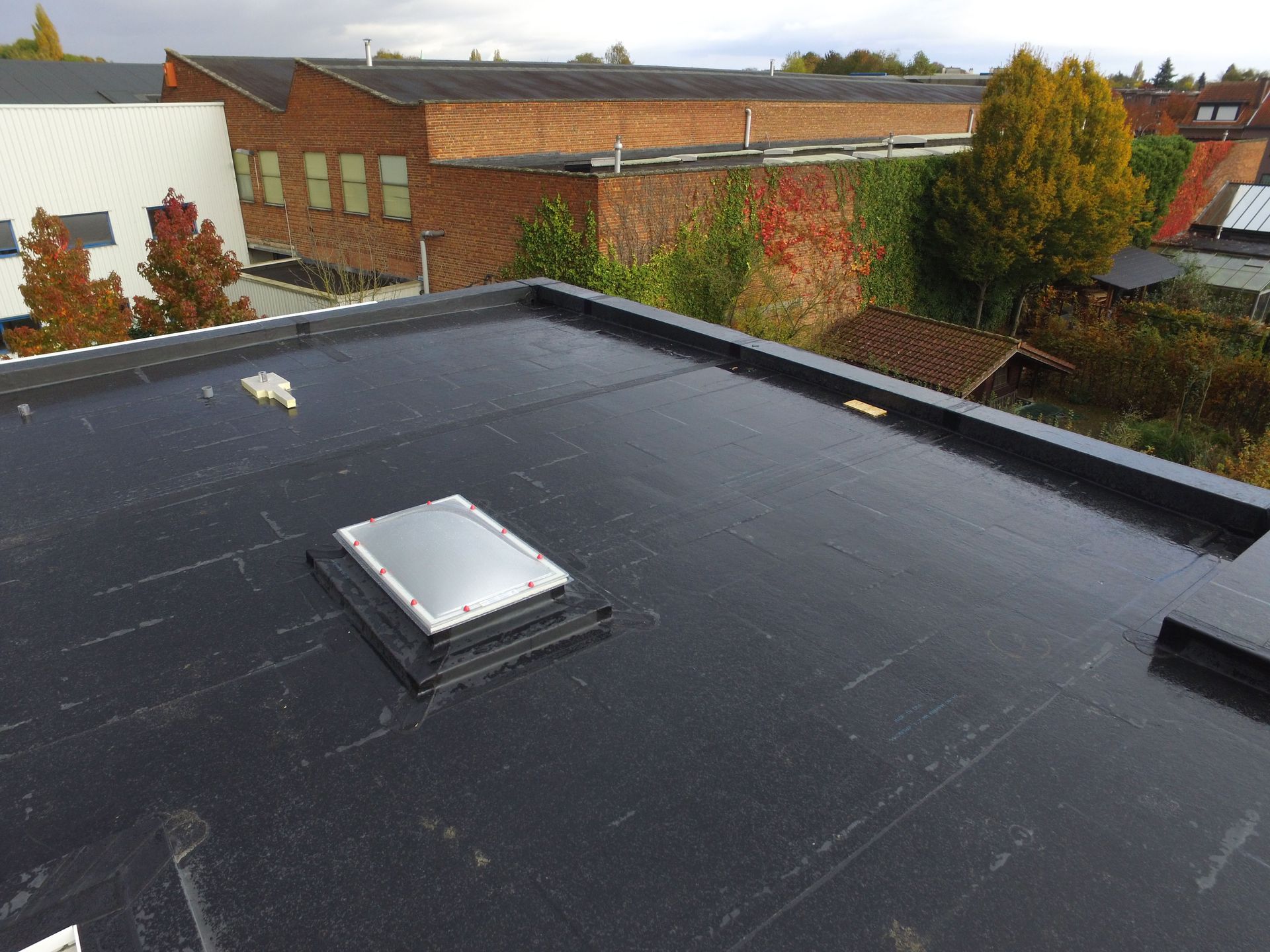
A primary challenge of flat roofing is managing drainage effectively. Unlike pitched roofs, flat roofs do not have a natural incline to facilitate water runoff. This lack of slope can lead to water pooling, potentially causing leaks or structural damage over time. Proper drainage systems, like scuppers and interior drains, are crucial to addressing this issue. Homeowners must ensure these systems are properly installed and maintained to prevent damage from standing water.
Poor drainage can result in significant maintenance challenges and increased costs. Standing water can lead to water penetration, damaging underlying materials and necessitating repair. Additionally, persistent water accumulation can promote algae and mold growth, exacerbating decay. Effective design and regular inspection are key to mitigating these risks. Employing a slight pitch within the roof design can further aid water flow and prevent problems associated with pooling water.
2.2. Limited Lifespan
Flat roofs tend to have a shorter lifespan compared to traditionally sloped roofs. This limitation results from both environmental exposure and the type of materials used. Unlike pitched roofs that naturally shed water, flat roofs withstand constant exposure to moisture and UV rays, accelerating material deterioration. While advances in roofing materials have improved the durability of flat roofs, their lifespan can still be a concern. Homeowners need to evaluate this factor when considering long-term value and replacement costs.
There are various construction materials to consider for enhancing the durability of a flat roof. Some, like built-up roofing (BUR), comprise layers of bitumen and reinforcing fabrics, offering greater resistance to weather and fire. According to The Spruce, a built-up roof (BUR) is typically used on flat roofs and is both fire-resistant and inexpensive. Choosing the right material, combined with adequate upkeep, can help optimize the roof's longevity. However, even with proper care, flat roofs may still necessitate more frequent replacements than other options.
2.3. Maintenance Requirements
The maintenance demands of flat roofing can be a significant challenge for homeowners. Frequent inspections and prompt attention to issues like pooling water and surface damage are essential for preventing further problems. Regular cleaning to remove debris and leaves is also necessary to maintain drainage functionality. These maintenance tasks can be time-consuming and may require professional intervention, adding to the overall costs. Homeowners should be prepared for ongoing upkeep if opting for flat roofing.
Section 3: Types of Materials Used in Flat Roofing
3.1. EPDM Rubber Roofing
EPDM (ethylene propylene diene terpolymer) rubber roofing is a popular choice for flat roofs due to its durability and resilience. Constructed from ethylene and propylene, sourced from oil and natural gas, EPDM is known for its resistance to UV radiation and weathering. This single-ply membrane offers flexibility, allowing it to adapt to temperature fluctuations without cracking. It is also relatively easy to install, enhancing its appeal among both homeowners and roofing professionals. With proper maintenance, EPDM roofs can last between 20 and 30 years, providing lasting protection.
3.2. TPO Roofing
TPO (thermoplastic olefin) roofing is another favored option for flat roof systems due to its energy efficiency and durability. It is a single-ply roof membrane made from a blend of polypropylene and ethylene-propylene rubber, providing excellent reflective properties. TPO is specifically designed to be UV-resistant, making it an effective solution for minimizing solar heat absorption. This factor contributes to lower cooling costs and optimized energy consumption, appealing to eco-conscious homeowners seeking sustainable options. TPO roofing's growing popularity stems from its compelling blend of insulation and affordability.
3.3. PVC Membrane
PVC (polyvinyl chloride) membrane roofing is well-regarded for its durability, chemical resistance, and energy-efficient properties. Unlike other roofing materials, PVC membranes contain plasticizers that enhance flexibility, allowing them to withstand extreme temperature shifts without damage. This ability to remain pliable makes PVC roofs resistant to cracking and splitting, which are common issues with less adaptable materials. Additionally, PVC roofing systems are resistant to fire, and reflective properties increase their energy efficiency. These advantages have cemented PVC as a preferred choice for many architects and builders.
As you can see, there are many things to consider about flat roofing. You must consider any benefits, challenges, and materials being used for your new roofing. If you're looking for a reliable roofing company, contact McChesney Lueck Roofing, LLC today.
Share On: