
Residential Roofing Insights: What to Expect During Installation
Hiring a residential roofing contractor is a major decision that affects your home's safety, value, and aesthetic appeal. From the initial planning stages to project completion, homeowners need a clear understanding of the steps involved in a roofing project. A well-executed roofing installation not only shields your home from the elements but also enhances its overall appearance. Approaching this process strategically ensures a smooth experience and a durable, high-quality result.
Whether replacing an aging roof or addressing damage, preparation and informed decision-making form the foundation of any successful roofing project. Considering factors such as budget, materials, and contractor selection early on allows for more efficient planning. Taking the time to understand these elements helps homeowners navigate the complexities of roofing projects confidently and effectively.
Evaluate Your Roofing Needs
Before beginning a residential roofing project, it is essential to assess the condition of your current roof. Visual inspections can highlight visible problems like missing shingles, sagging areas, or water damage. However, a professional evaluation often reveals hidden issues, such as insulation deficiencies or structural weaknesses, that can influence whether a repair or complete replacement is necessary. Regular roof inspections prevent minor issues from becoming major repairs, saving both time and money.
Deciding whether to repair or replace depends on age, material, and overall condition. Asphalt shingles typically last 20 to 25 years, while other materials such as metal or slate can endure much longer. The average U.S. roof is about 1,700 square feet, according to This Old House, meaning even minor repairs or replacements can carry significant costs. Partnering with a qualified inspector ensures your decisions are informed by the roof’s structural integrity, aesthetics, and long-term durability.
Additionally, understanding local climate effects and identifying potential hidden problems is crucial. Poor ventilation, insufficient flashing, or weather exposure can all accelerate wear and compromise performance. A comprehensive assessment ensures both immediate and future needs are addressed, helping homeowners select the most appropriate materials and strategies for their roofing project.
Choose a Qualified Residential Roofing Contractor
Finding a qualified roofing contractor begins with verifying licensing and insurance. Licensed contractors adhere to industry standards and local building codes, while proper insurance protects homeowners from liability in the event of accidents. Workers' compensation and liability coverage are essential, as roofing projects inherently carry risks for both workers and property owners.
Experience and reputation are also key factors in selecting the right contractor. Established contractors bring problem-solving expertise and reliability, which can be invaluable when unexpected challenges arise. Affiliations with professional organizations, such as the National Roofing Contractors Association, signal credibility and a commitment to industry best practices.
Customer reviews and testimonials provide additional insight into a contractor’s performance. Evaluating multiple sources, from online platforms to direct client references, offers a clear picture of reliability, timeliness, and quality. Gathering at least three estimates enables homeowners to compare services and costs, ensuring they select a contractor best suited for their roofing needs.
Clarify the Contractual Agreement
Understanding the contract is critical for a successful residential roofing project. A well-structured contract defines the scope of work, timeline, and costs, establishing expectations for both homeowner and contractor. Careful review prevents misunderstandings and ensures all parties are aligned on responsibilities and deliverables.
Detailing material specifications, installation methods, and cleanup procedures is essential. Clear descriptions reduce the risk of disputes over project completion and guarantee transparency. Explicitly defining each aspect of the work fosters trust and sets a professional standard for project execution.
Payment terms should also be clearly outlined. Specifying deposits, progress payments, and final settlement protects homeowners financially while motivating contractors to meet deadlines and quality expectations. A structured payment schedule balances accountability and progress, ensuring a mutually beneficial arrangement during the roofing project.
Plan and Prepare for Installation
Efficient project planning helps minimize disruptions and keeps the residential roofing timeline on track. Homeowners should account for weather conditions, material availability, and contractor schedules, building flexibility into the timeline to manage unforeseen delays. Thoughtful scheduling reduces stress and ensures work progresses smoothly.
Communicating with neighbors about project timelines and potential noise or debris fosters positive relationships and prevents conflicts. Maintaining an open line of communication allows for prompt resolution of any concerns, contributing to a smoother installation process.
Protecting your property is equally important. Covering landscaping, securing windows, and moving fragile items minimizes damage risks. Clear communication with your contractor ensures that all precautions are implemented effectively, allowing the project to focus strictly on roofing tasks without unnecessary property impact.
Execute the Residential Roofing Process
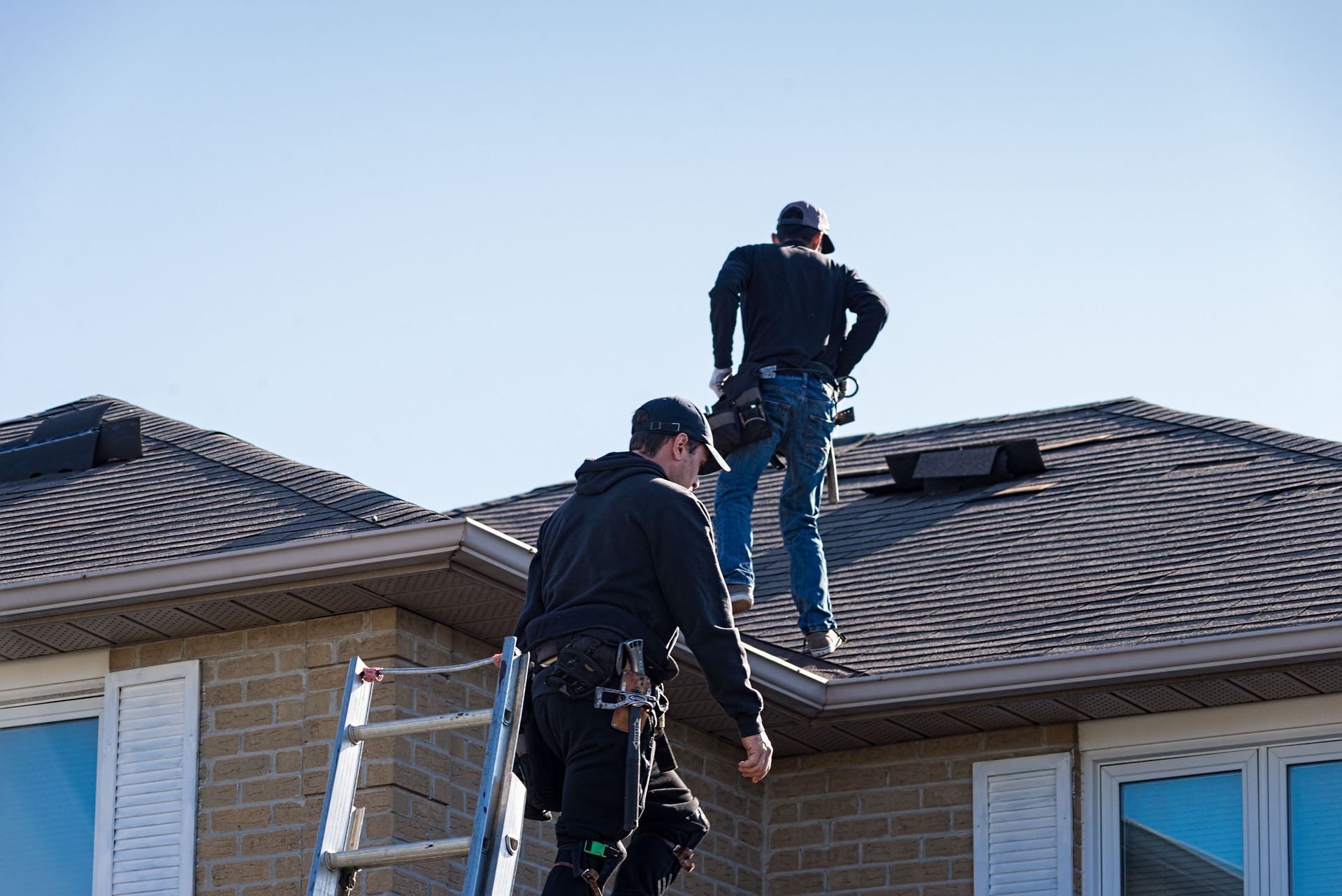
The roofing process begins with a comprehensive inspection and assessment, which serves as the blueprint for a successful roofing project. Skilled contractors examine the structural integrity of the roof, assess the condition of existing materials, and evaluate other critical components such as flashing, gutters, and ventilation. This thorough analysis helps identify potential weaknesses, water damage, or insulation issues that may not be visible during a casual inspection. By pinpointing these concerns early, contractors can plan solutions proactively, allocate resources effectively, and avoid delays or unexpected costs during installation.
Once the assessment is complete, the next step is removing the old roofing materials to prepare the surface for the new installation. This process involves carefully stripping away shingles, underlayment, and any deteriorated components, revealing the underlying structure. During removal, contractors may discover hidden issues, including rotted decking, warped wood, or outdated insulation, which can be repaired or replaced immediately to prevent future problems. Systematic removal and disposal not only create a safe and clean work environment but also allow the new materials to be installed on a solid, secure foundation, ensuring the roof’s longevity.
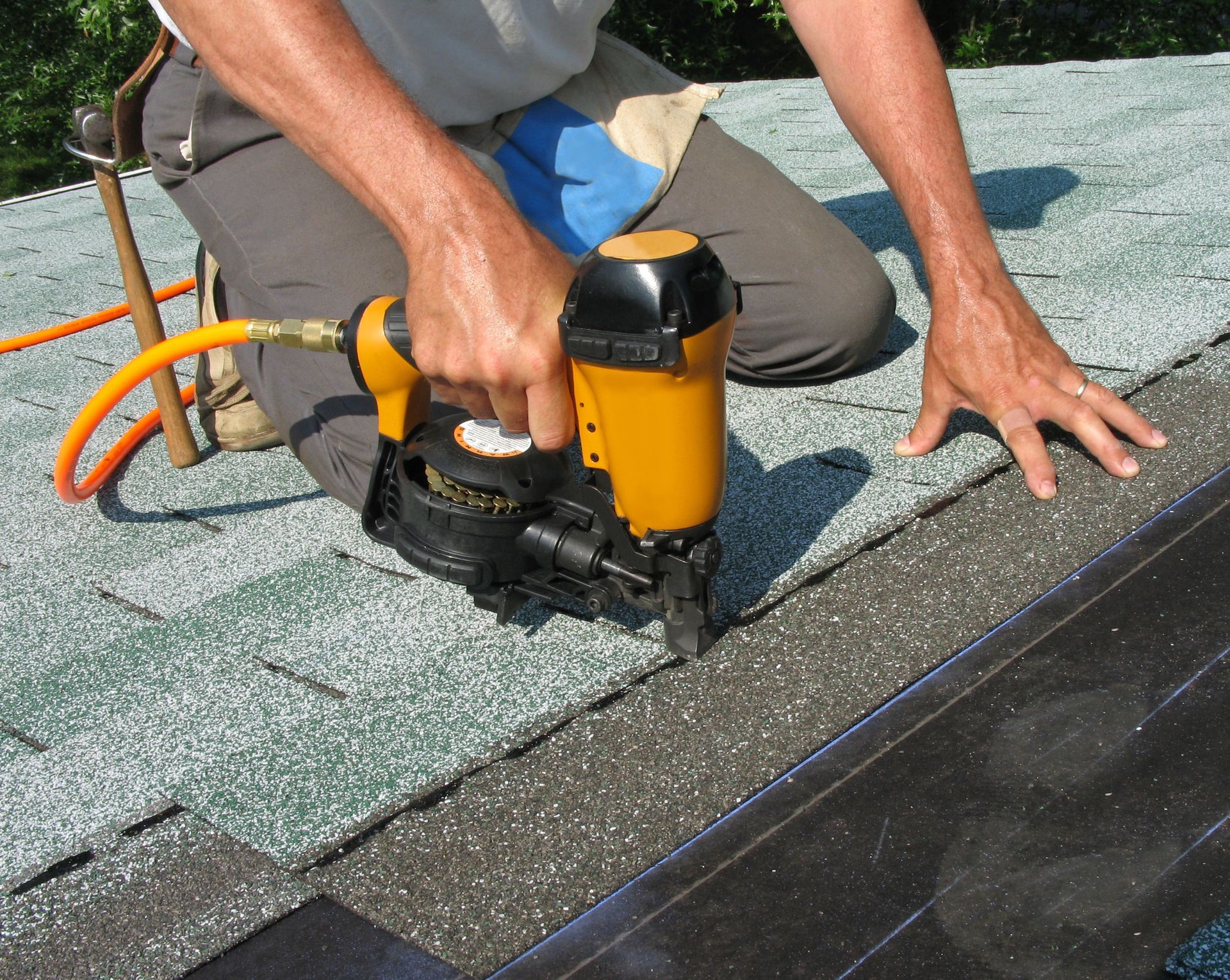
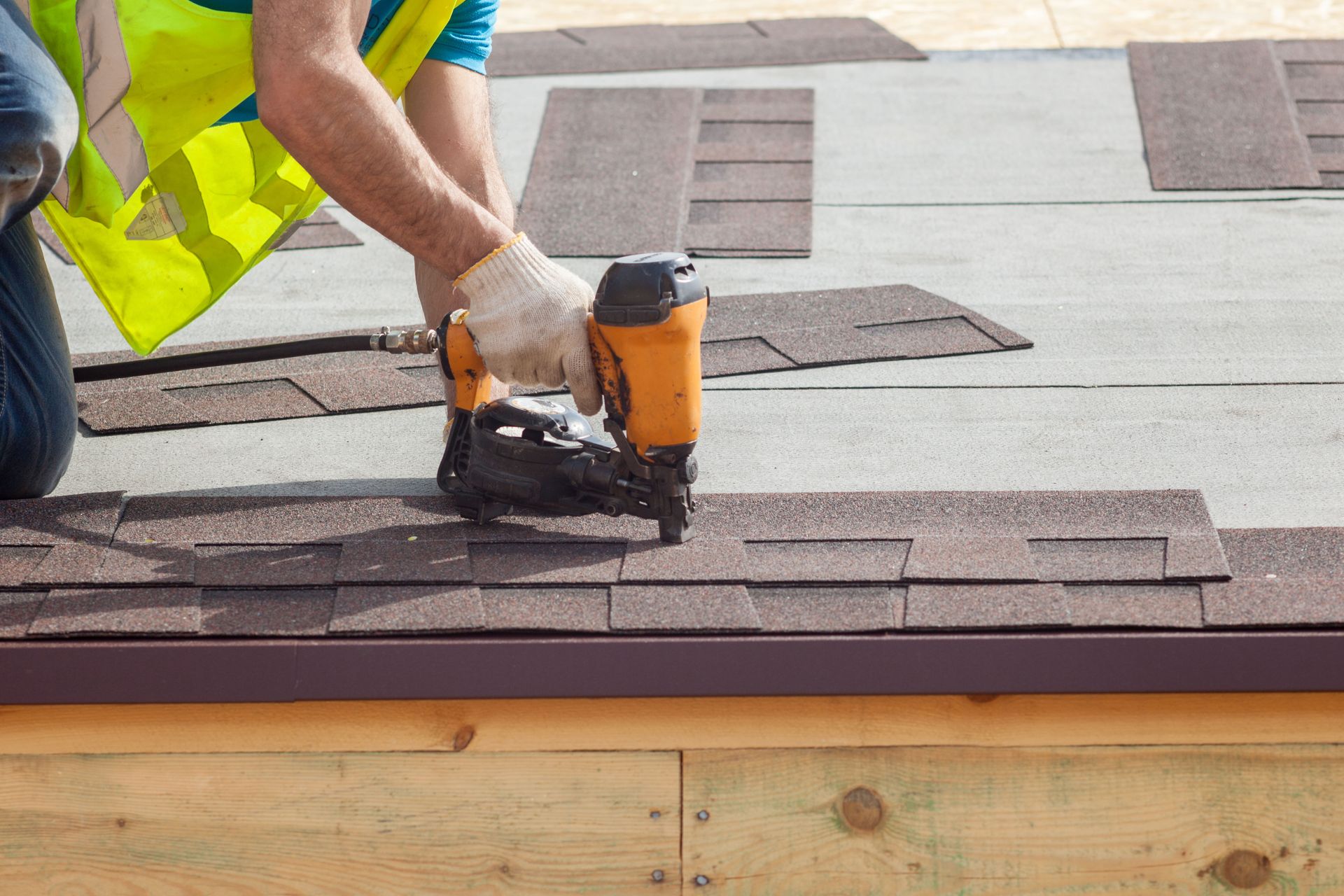
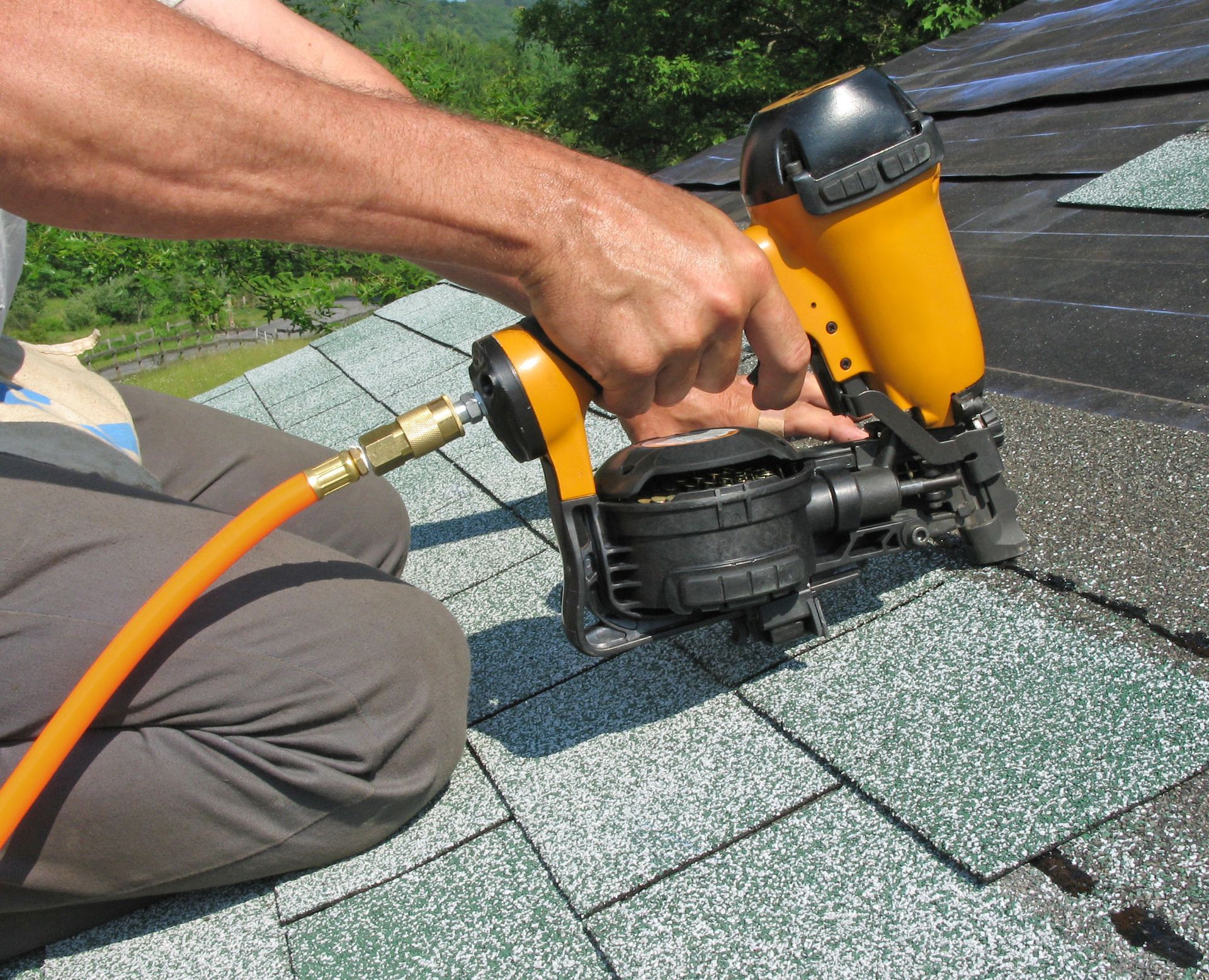
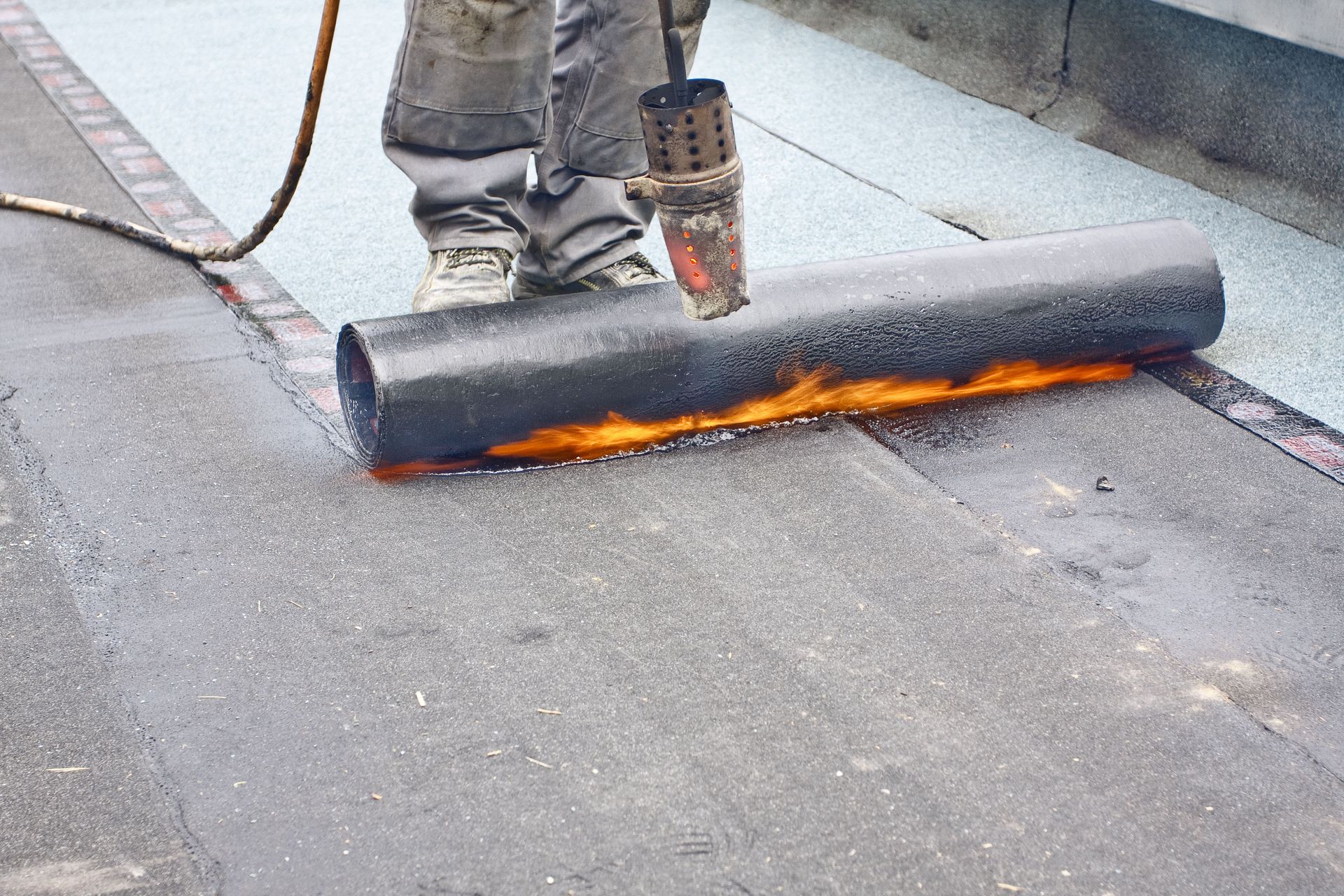
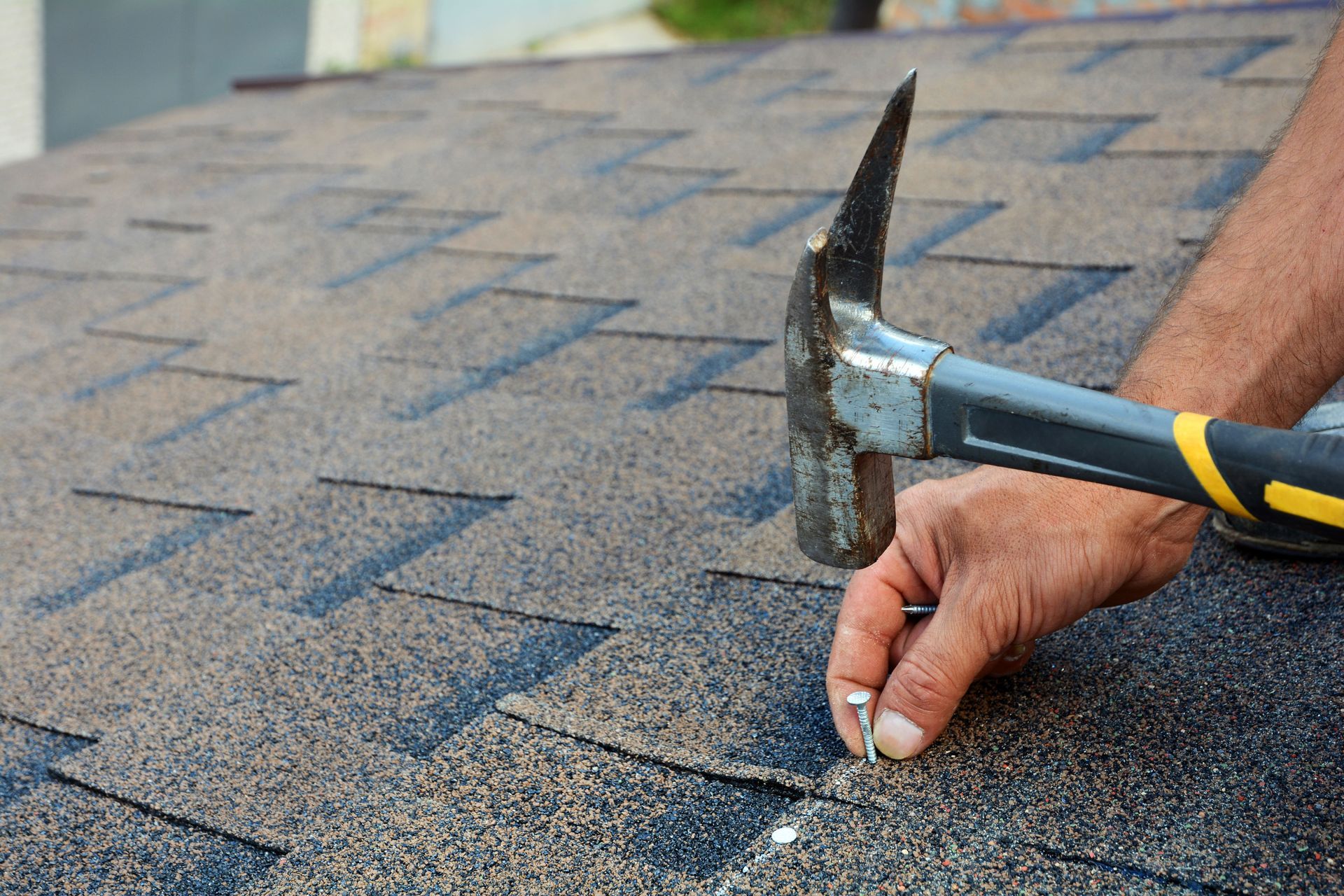
Installing new roofing materials requires skill, attention to detail, and adherence to industry standards. Contractors carefully lay materials such as asphalt shingles, metal panels, or composite products, ensuring proper alignment, secure fastening, and adequate sealing to protect against weather elements. The choice of material impacts not only durability but also energy efficiency and visual appeal, making this stage crucial to both functionality and aesthetics. Throughout installation, ongoing quality inspections verify that each step meets professional standards, resulting in a finished roof that offers reliable protection, enhanced curb appeal, and peace of mind for homeowners for decades to come.
Maintain Your Roof Post-Installation
Regular maintenance is essential to prolonging the life of a residential roof. Semi-annual inspections, particularly in spring and fall, help detect minor issues before they escalate into costly repairs. Tasks like debris removal, shingle checks, and leak prevention are tailored to the specific roofing material and environmental conditions.
Understanding your roof’s warranty ensures homeowners know what coverage is provided and how to protect it. Warranties typically cover material defects and occasionally contractor errors, but certain actions, such as unauthorized repairs, can void coverage. Maintaining accurate records of installation and maintenance activities helps homeowners take full advantage of warranty provisions if needed.
Proactive monitoring, including checking for loose shingles or water pooling, prevents small issues from becoming major problems. Engaging your contractor for routine inspections supports long-term roof performance and investment protection. Maintaining vigilance after installation ensures your residential roofing system remains functional, durable, and aesthetically pleasing for years to come.
Understanding your roofing needs, selecting the right contractor, and carefully managing the installation process are key to achieving a successful roofing outcome. From preparation to post-installation maintenance, every step contributes to a high-quality, long-lasting roof. Attention to detail, proactive communication, and professional expertise together ensure your home remains protected and visually appealing.
For homeowners ready to embark on a residential roofing project, we encourage you to reach out to us at McChesney Lueck Roofing, LLC so we can guide you through every stage and deliver a roof that stands the test of time.
Share On: