
When Are Roof Replacements Necessary?
A roof is more than just the top layer of your home; it serves as the primary barrier against weather, protects your family, and contributes to your property's overall value. Understanding when roof replacements are necessary can save homeowners from costly repairs, unexpected damage, and energy inefficiencies. Many homeowners underestimate the lifespan of their roofs or fail to recognize signs of deterioration until major issues arise. By being proactive and informed about roof maintenance and replacement, you can safeguard your home and ensure it remains safe, functional, and visually appealing.
According to This Old House, over the past three years, nearly 31% of homeowners have pursued roof renovation, repair, or maintenance projects. This statistic highlights the importance of paying attention to your roof's condition, as neglect can lead to more extensive damage and higher costs. Whether your roof is aging, weathered, or damaged, knowing the signs that indicate a replacement is necessary is crucial.
Signs of Roof Damage
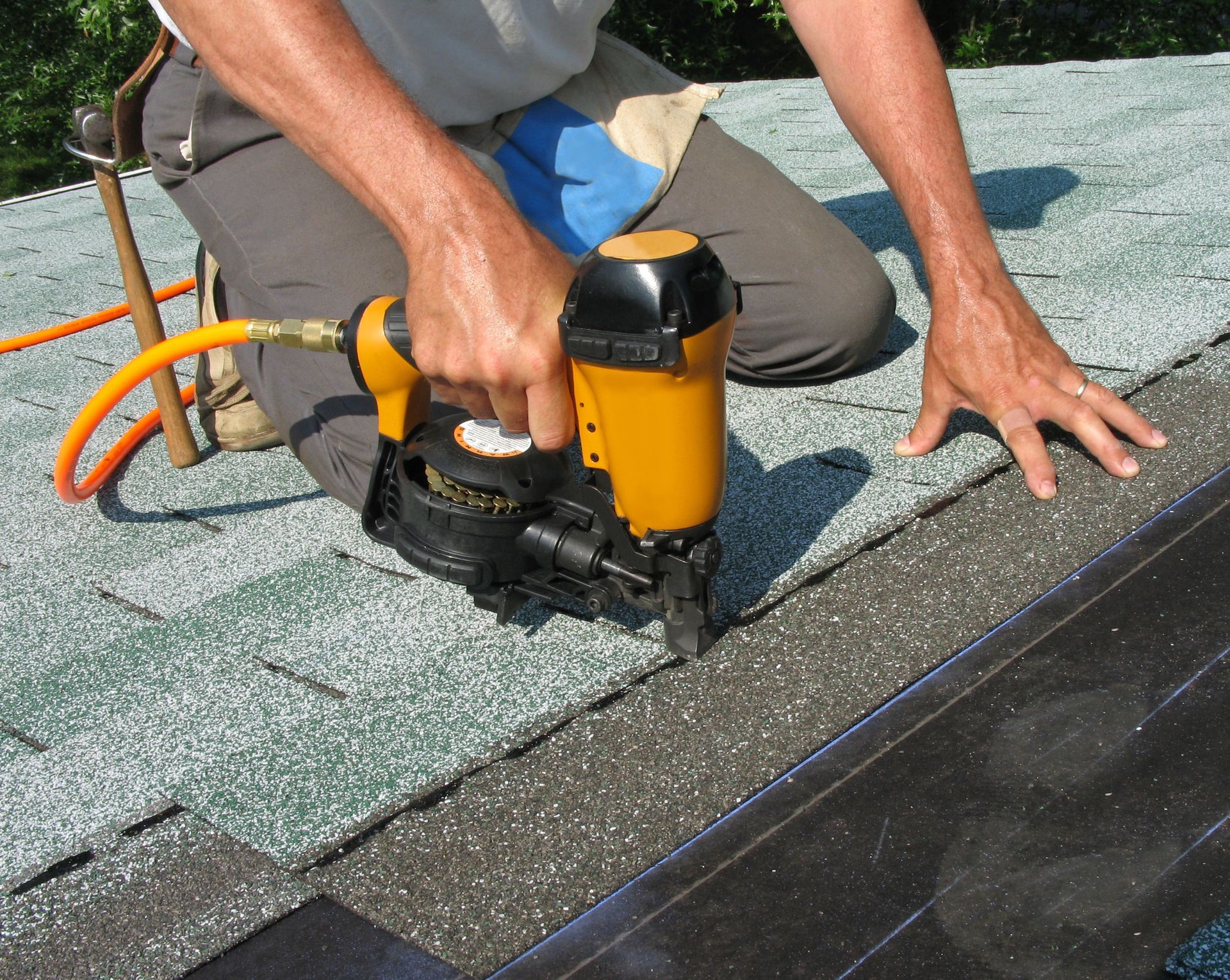
One of the first indicators that roof replacements may be needed is visible damage. Shingles that are cracked, curling, or missing can expose underlying structures to moisture, increasing the risk of leaks and water damage. Additionally, roof flashing around chimneys, vents, and skylights can deteriorate over time, allowing water to seep into the home. A damaged roof not only affects aesthetics but also compromises the safety and structural integrity of the building.
Leaks are another clear sign that replacement may be necessary. While minor leaks can sometimes be patched, recurring leaks often indicate deeper issues that simple repairs cannot resolve. Water intrusion can lead to mold, mildew, and wood rot, which may affect indoor air quality and overall home health. Regular inspections can help detect these problems early, allowing homeowners to address them before extensive damage occurs.
The accumulation of granules in gutters is another subtle but telling sign. Asphalt shingles naturally shed granules over time, but excessive granule loss can indicate that the roof's protective layer is wearing thin. When granules are observed in large amounts, it may be time to consider a full roof replacement. Professional roofers can assess the extent of the wear and advise on the best course of action.
Age of the Roof
The age of a roof is one of the most straightforward factors in determining whether a replacement is necessary. Most asphalt shingle roofs last between 20 to 25 years, in our professional experience, while other materials such as metal, tile, or slate may last longer. Beyond the expected lifespan, environmental conditions and maintenance practices play a role in how quickly a roof deteriorates. Exposure to extreme weather, heavy rainfall, snow, or intense sunlight can accelerate wear, making age an essential consideration when planning for replacement. Additionally, the type of ventilation, insulation, and attic conditions can impact the roof's longevity, as poor airflow or trapped moisture can lead to premature deterioration of roofing materials.
Homeowners should maintain records of roof installations and repairs to track age accurately. Even if a roof appears to be in good condition, nearing or exceeding its expected lifespan is often a signal that replacement should be considered. Proactive replacement prevents sudden failures, reduces emergency repair costs, and protects the home from unexpected weather events. Consulting a professional roofer for regular inspections can help identify hidden damage or weaknesses in an aging roof, providing homeowners with a clear understanding of when a replacement is both practical and necessary.
Energy Efficiency and Roof Performance
Older roofs or those with visible damage can negatively affect a home's energy efficiency. Shingles that are missing, cracked, or otherwise damaged allow heat to escape in the winter or enter in the summer, increasing heating and cooling costs. Over time, insulation can also compress, shift, or degrade, reducing its effectiveness and making it harder to maintain a comfortable indoor temperature. Moisture infiltration from leaks can further compromise insulation and energy efficiency. Roof replacements with modern materials and improved insulation help reduce energy consumption, improve indoor comfort, and create a more consistent and controlled environment throughout the home.
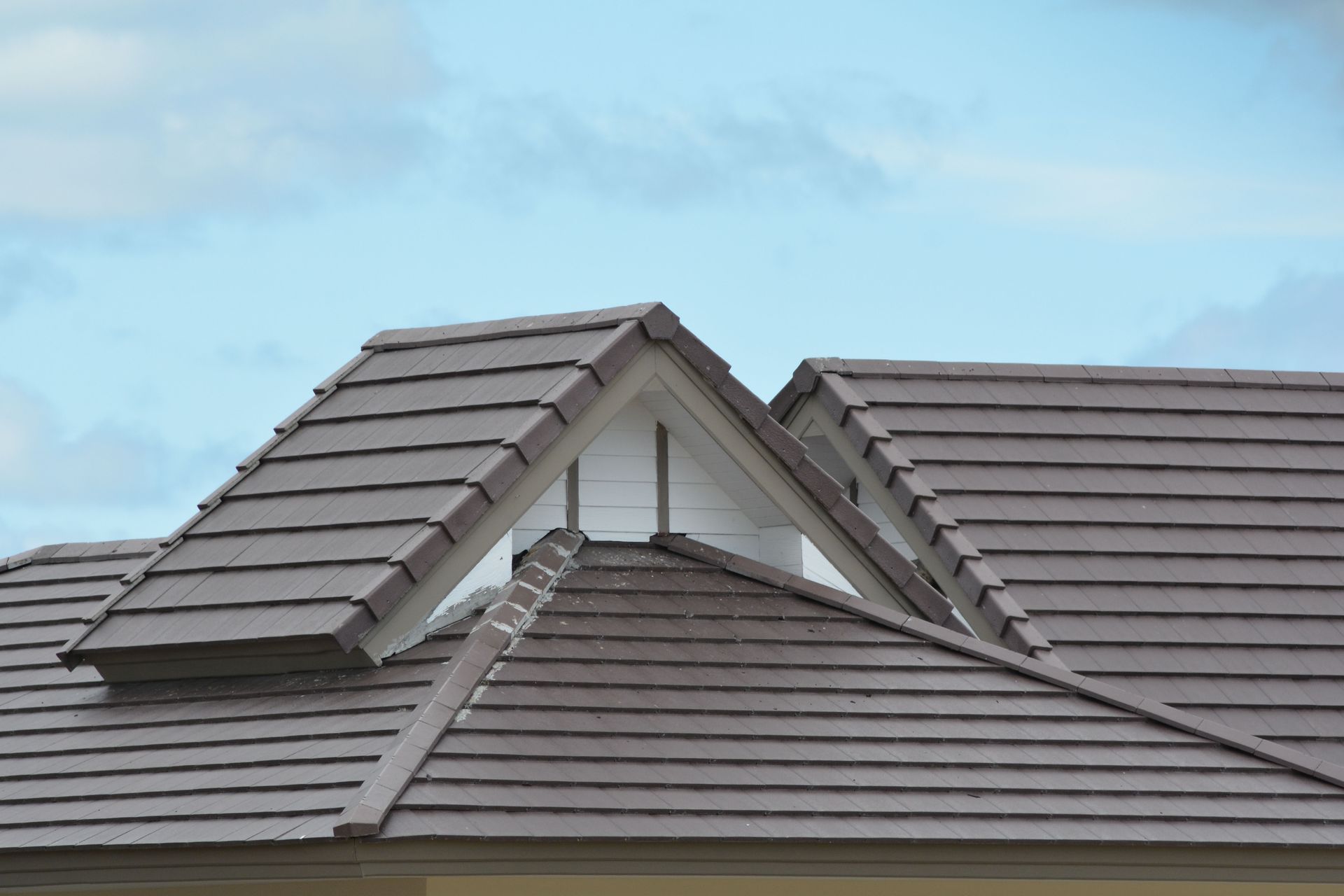
Many homeowners choose to upgrade to energy-efficient roofing materials during a replacement. Reflective shingles or metal roofs, for example, can reduce heat absorption, lowering cooling costs during hot months, while insulated underlayments can enhance overall thermal performance. By addressing roof performance proactively, homeowners can achieve long-term savings on utility bills while also increasing the durability and lifespan of their roofing system. Concrete, slate, and tile options not only provide structural strength and aesthetic appeal but also offer excellent thermal benefits, making them an attractive choice for homeowners who want both efficiency and lasting value in their investment.
Weather-Related Damage
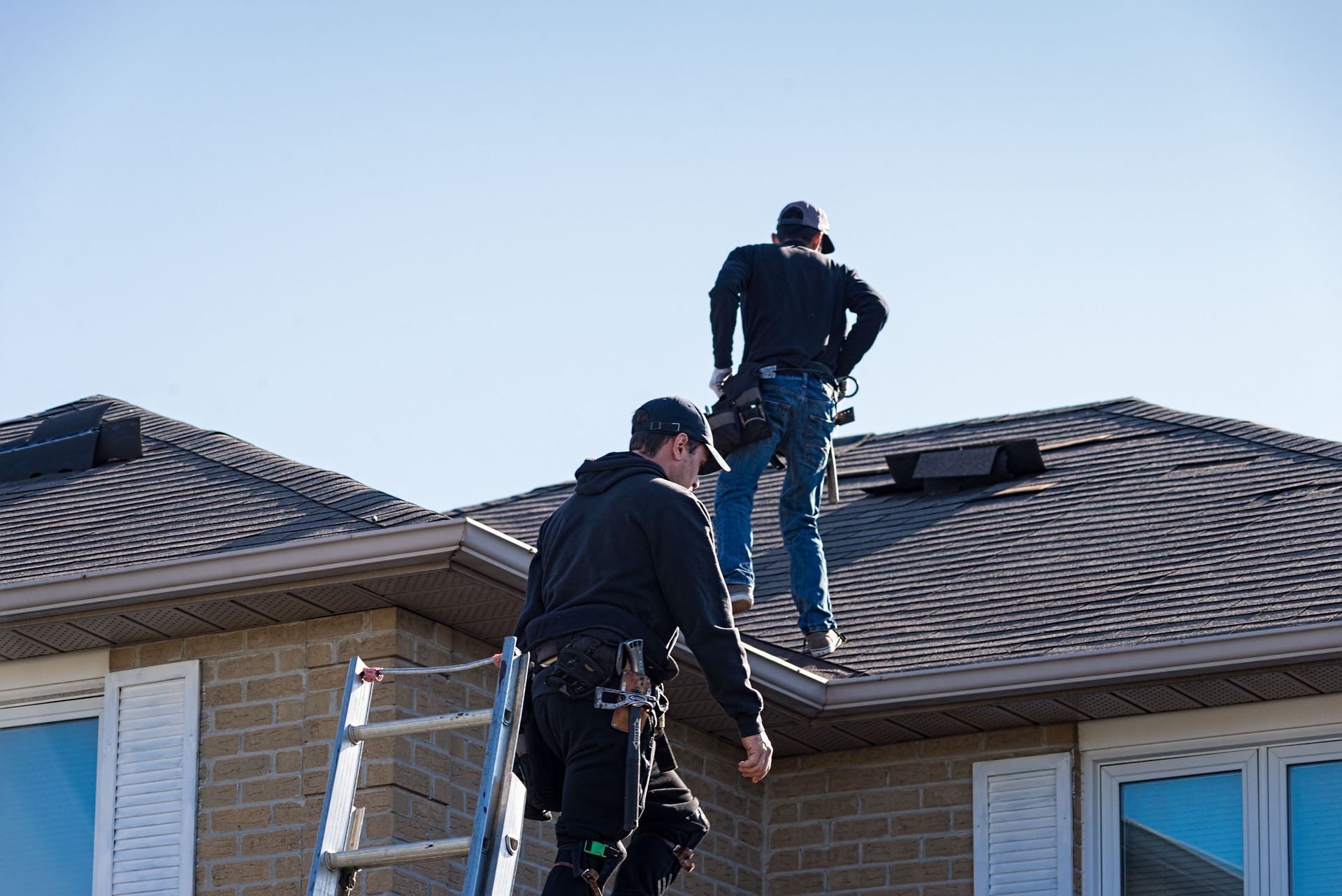
Weather events are among the most common reasons for roof replacements. High winds, hail, heavy snowfall, and severe rainstorms can cause structural damage, dislodge shingles, or create leaks. Even if damage appears minor at first glance, underlying issues may compromise the roof's integrity. After significant weather events, it is important to schedule an inspection with a qualified roofing professional to assess whether a full replacement is necessary.
Ice dams, in particular, can pose a threat in colder climates. These occur when melting snow refreezes at the roof's edge, creating blockages that allow water to back up under shingles. Prolonged ice dam exposure can damage roofing materials, insulation, and interior structures. In such cases, replacement or reinforcement of roofing materials is often required to prevent recurring issues. Professional assessment ensures that weather-related damage is properly addressed, reducing long-term risks.
Enhancing Property Value
Beyond functionality and protection, roof replacements can significantly impact property value. A new roof enhances curb appeal, makes the home more attractive to buyers, and demonstrates that the property has been well-maintained. Homes with aging or damaged roofs may struggle to sell or require price reductions to account for the replacement cost. Conversely, a recently replaced roof can justify higher asking prices and provide confidence to prospective buyers.
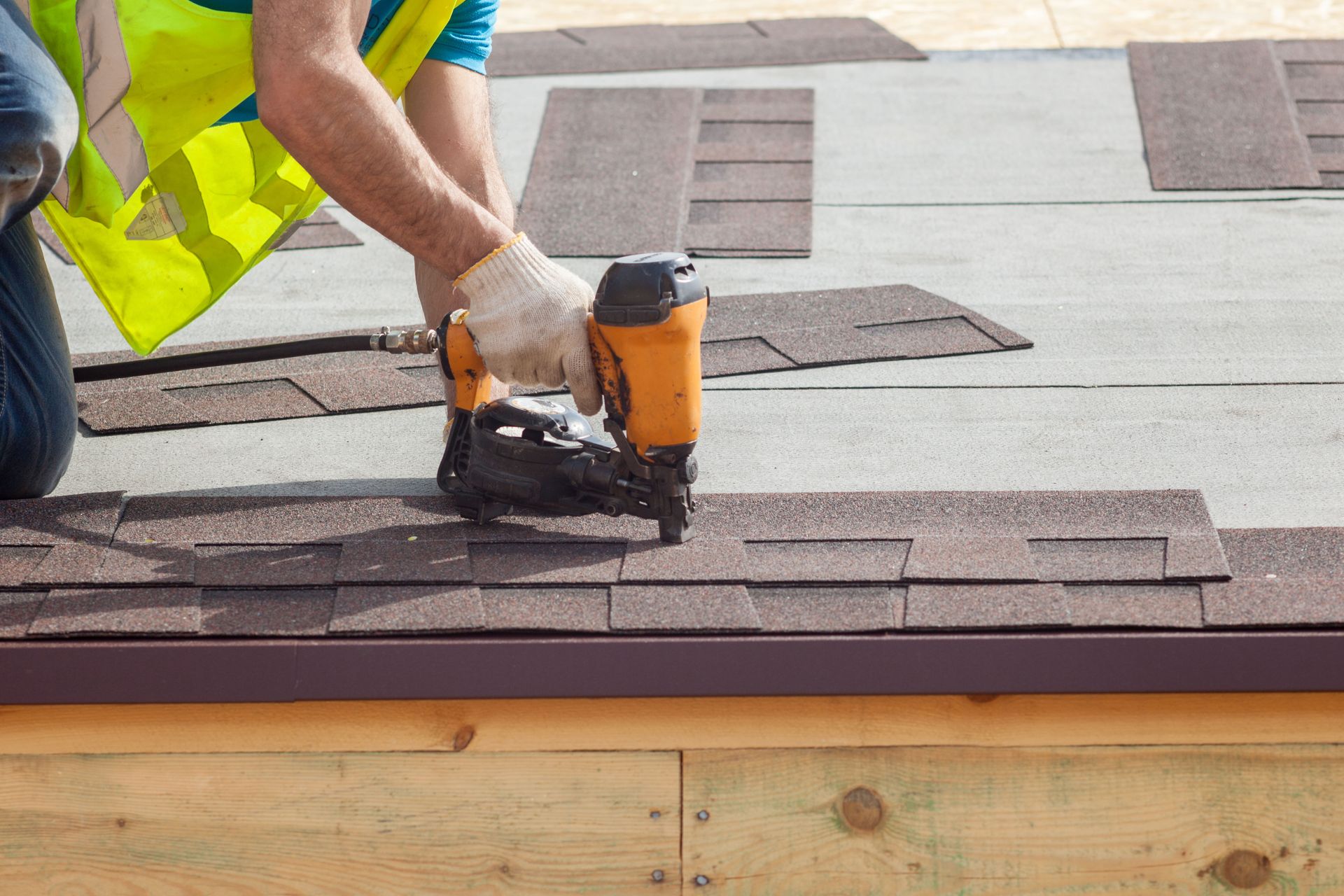
Homeowners often use roof replacement as an opportunity to upgrade materials or improve the overall design of their home. Options such as architectural shingles, metal roofing, or slate provide both visual appeal and long-term durability. By choosing quality materials and professional installation, homeowners can enjoy a roof that not only protects their investment but also enhances aesthetic value and marketability.
Roof replacements are a critical component of home maintenance, providing protection, energy efficiency, and improved property value. Signs such as visible damage, leaks, granule loss, aging materials, and weather-related deterioration indicate that a replacement may be necessary. Proactive assessment and timely action help prevent costly repairs, extend the lifespan of the home, and ensure a safe, comfortable living environment.
According to This Old House, nearly 31% of homeowners have pursued roof renovation, repair, or maintenance projects over the past three years, highlighting the importance of paying attention to roof conditions. By recognizing the signs of wear, understanding the impact of age and weather, and considering energy efficiency and property value, homeowners can make informed decisions about roof replacements. Professional roof replacement ensures peace of mind, long-term savings, and a secure, attractive home for years to come.
Protect your home with a reliable roof replacement from McChesney Lueck Roofing, LLC. Contact us today to schedule a consultation and ensure your roof provides lasting protection, energy efficiency, and curb appeal for years to come.
Share On: