
Residential Roofing Options That Fit Different Home Styles
Choosing the right roof is one of the most important decisions a homeowner can make when building, updating, or improving a property. It influences durability, energy efficiency, and maintenance needs, and how well a home fits into its surroundings. Different architectural styles call for different materials, colors, textures, and profiles, which means the best option for one house may not work as well for another. Because of that, residential roofing should always be treated as both a design decision and a structural investment.
Matching Materials to Architecture
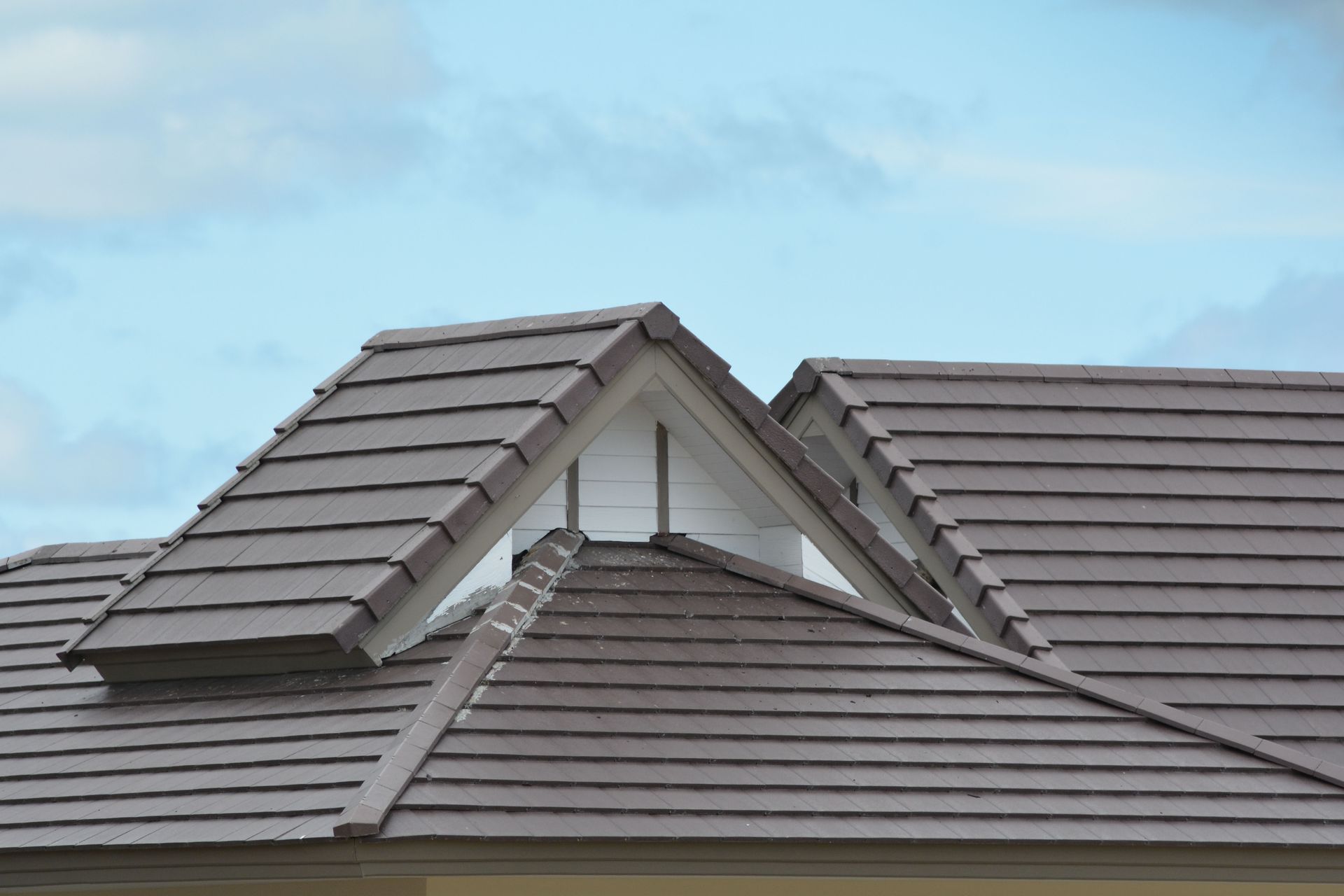
The first step in selecting the right residential roofing system is understanding the style of the home itself. Traditional Colonial and Cape Cod homes often look best with classic asphalt shingles or slate-inspired materials that complement their balanced appearance. Mediterranean and Spanish-style homes usually pair well with clay or concrete tiles because those materials reflect the curves, color tones, and visual character associated with those designs. Farmhouse properties may work well with metal panels or dimensional shingles that create a clean, practical finish. In each case, the goal is to choose residential roofing materials that reinforce the home’s architecture rather than compete with it.
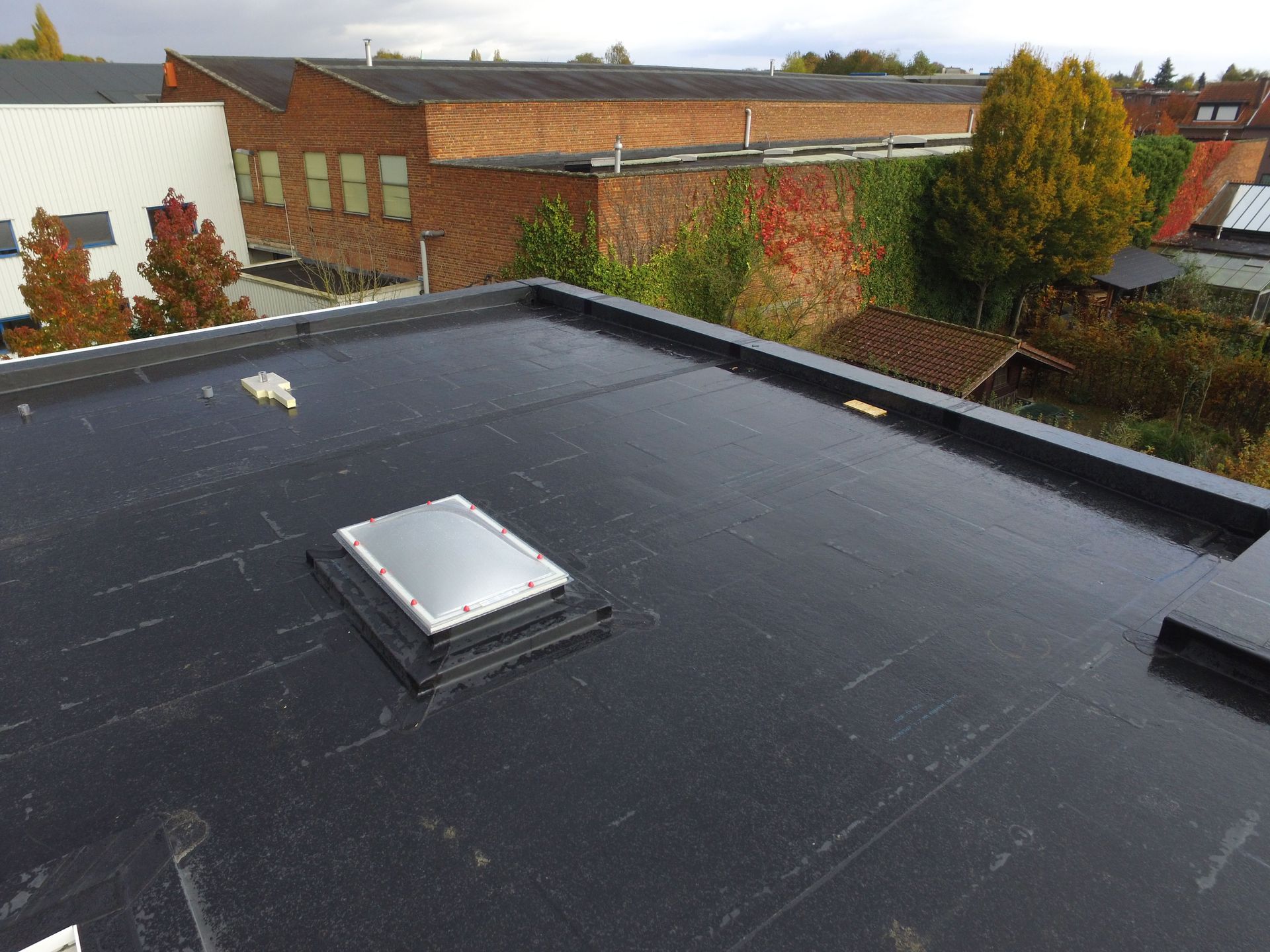
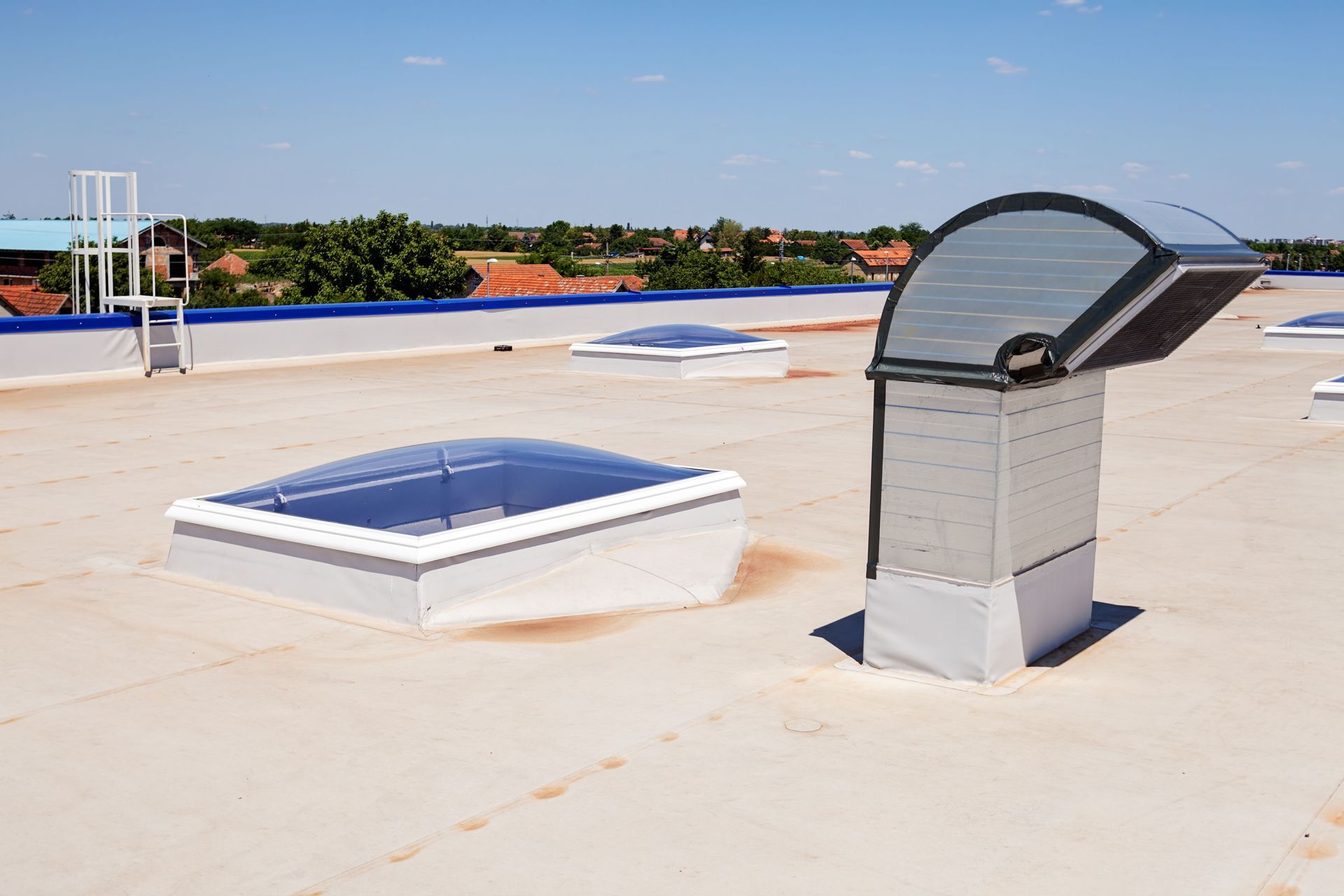
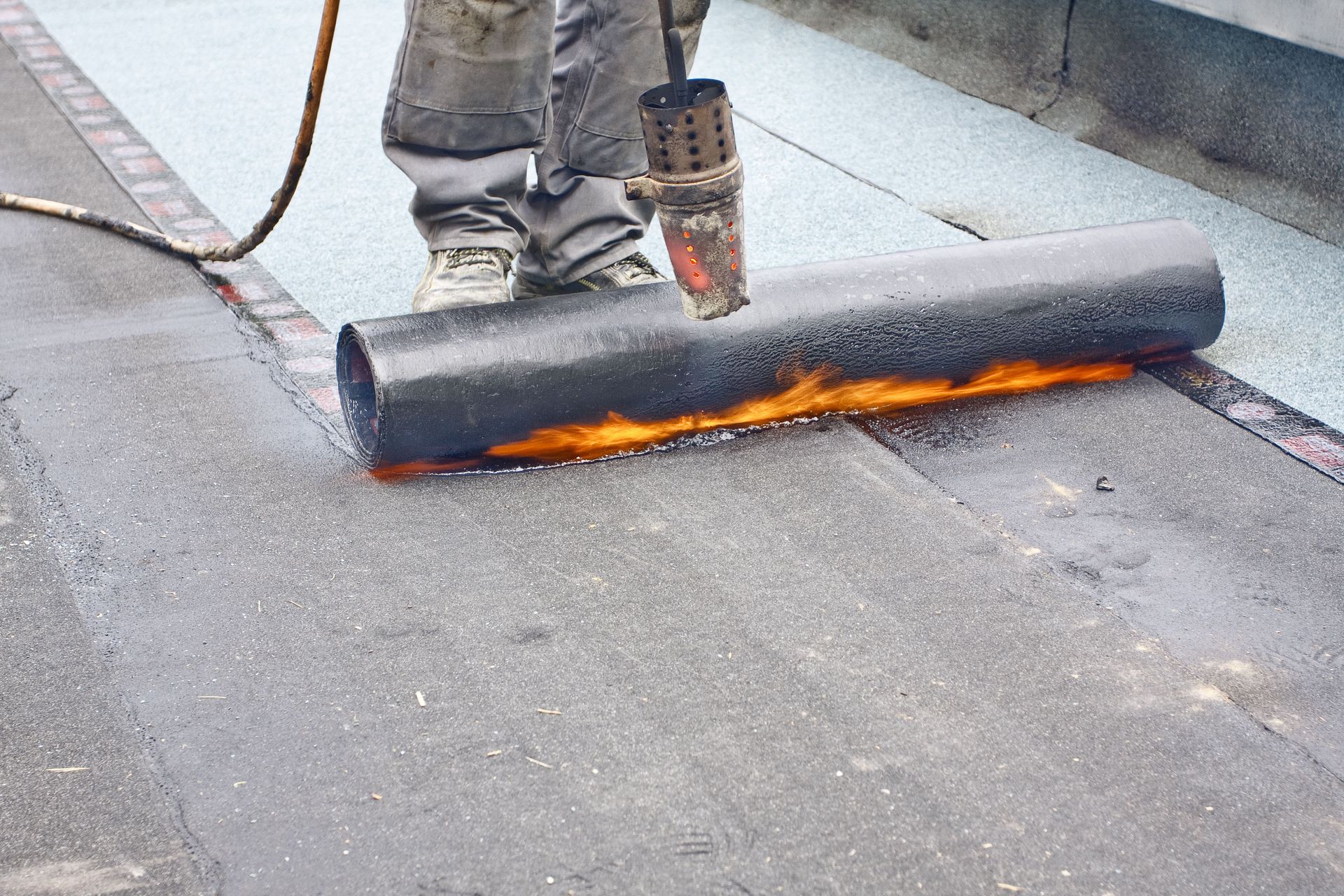
Roof shape also affects the right material choice. Steep slopes can highlight the texture of shingles, shakes, and tile, while low-slope sections may require specialty products designed for water resistance and drainage. Homes with dormers, porches, or intersecting rooflines often benefit from materials that create a consistent look across changing angles. A well-matched roof can make the property feel polished and cohesive.
Balancing Appearance With Performance
Visual appeal matters, but performance matters just as much. Homeowners should consider how a roofing material handles wind, rain, snow, temperature swings, and sun exposure before making a final decision. Asphalt shingles remain a common choice because they are versatile, cost-effective, and available in many colors. Metal roofing is often selected for its durability and sleek appearance on modern homes, cottages, and farm-inspired properties. Tile and slate can create a high-end appearance, but they may require additional structural support because of their weight.
A practical residential roofing plan should account for both immediate style goals and long-term performance expectations. Some materials resist fire better than others. Some offer stronger impact resistance in areas prone to storms or falling debris. Others reflect sunlight more effectively, which can help with interior comfort and cooling efficiency. The best choice is not always the most expensive one. Instead, it is the material that fits the home’s look, climate demands, and upkeep expectations.
Considering Color and Texture
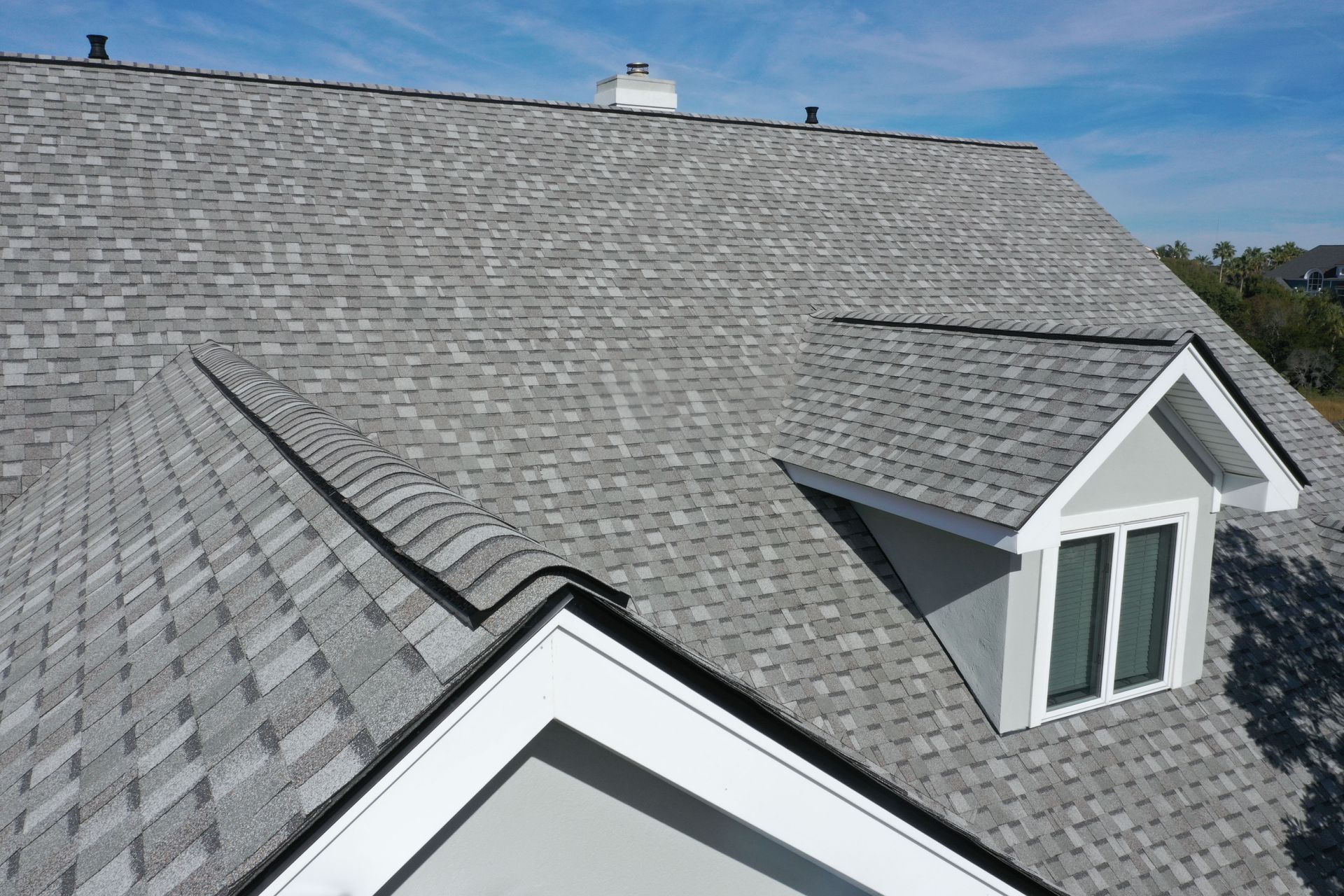
Color and texture play a major role in how well a roof complements the rest of the home. A dark roof may add contrast and definition to a light-colored exterior, while a lighter roof can soften the look of a large structure. Earth tones often work well on rustic, traditional, and farmhouse-inspired properties, while grays, charcoals, and black roofing products can suit contemporary or transitional homes. Texture matters as well. Architectural shingles add depth, standing seam metal offers crisp lines, and tile introduces visual character.
Homeowners should think beyond what looks attractive on a sample board. A roofing color should coordinate with siding, brick, stone, shutters, and trim. It should also fit the character of the neighborhood. Choosing the right color for residential roofing can help a home look updated without appearing out of place. This is especially important when the goal is to improve curb appeal while maintaining a style that still feels appropriate for the property’s age and design.
Comparing Longevity and Maintenance
Every roofing material comes with different maintenance requirements and life expectancy. Asphalt shingles are generally easier and more affordable to repair, which makes them appealing for many households. Metal roofs often require less routine maintenance and can perform well for decades when installed properly. Tile and slate are known for longevity, but repairs may be more specialized and costly. Wood shakes can create a beautiful natural look, but they usually demand more upkeep to prevent moisture issues and weathering.
These differences matter when evaluating residential roofing options for a home that will be occupied for many years. A homeowner planning to stay in place long term may prioritize durability and lower maintenance over the lowest upfront price. Someone preparing a property for resale may focus more on market appeal and balanced cost. According to RubyHome, there are approximately 134,365 roofers in the U.S. That number reflects how important roofing is to homeowners across many regions and styles, but it also shows why selecting the right material and the right professional matters.
Adapting Choices to Climate
Climate should influence every roofing decision. In areas with high humidity or frequent rainfall, homeowners need materials that resist moisture intrusion, algae growth, and water damage. In snowy regions, a roof should be able to shed snow effectively and handle freeze-thaw cycles. In warmer climates, reflective products may help reduce heat absorption and improve indoor comfort. Wind exposure is another major factor, especially in coastal or storm-prone areas where higher-rated products may provide better protection.
Residential roofing choices that work beautifully in one region may be less effective in another. For example, clay tile can perform well in hot climates and complement certain home styles, but it may not be the most practical choice in every environment. Likewise, metal roofing may offer excellent durability in areas with heavy snow, while specialized shingles may be a better match in neighborhoods where traditional appearance is a priority. When roofing decisions are aligned with local weather patterns, homeowners are more likely to get a result that looks right and performs reliably.
Planning for Budget and Value
Budget is a central part of any roofing project, but value should remain the focus. Lower-cost materials can be a smart choice when they still meet performance needs and fit the home’s design. Higher-end materials may offer better longevity, more distinctive curb appeal, or stronger resale potential. The key is to compare upfront investment with expected lifespan, maintenance costs, and visual impact. Residential roofing should support the home as a whole rather than solve only one concern at a time.
It is also important to think about how a roof affects property value. A roof that complements the house can make the exterior look more complete and well-maintained. Buyers often notice roofing condition quickly, and a roof that appears worn, mismatched, or outdated can influence first impressions. By choosing a material that suits the architecture and performs well in the local climate, homeowners can improve both daily living and long-term value.
Working With Qualified Professionals
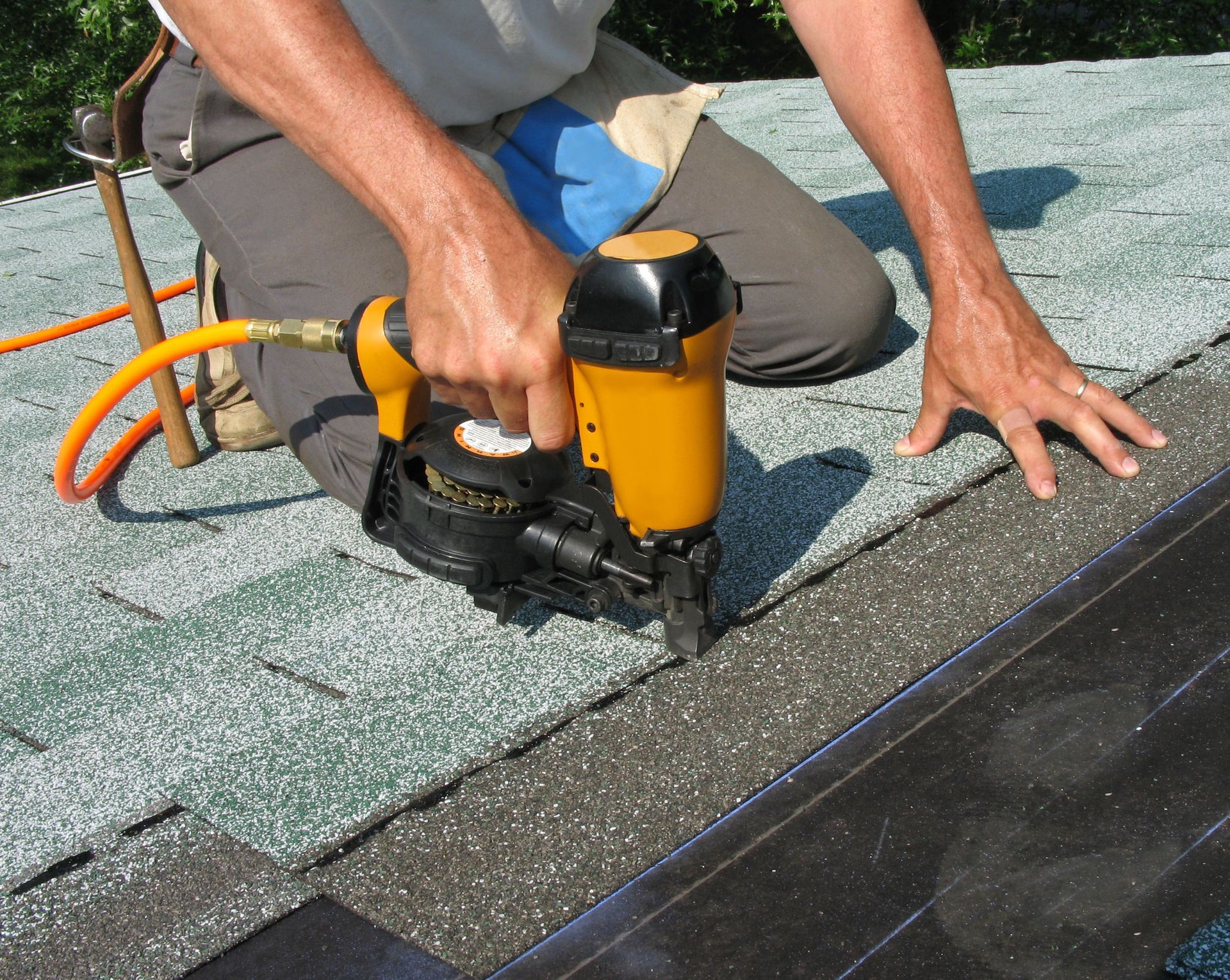
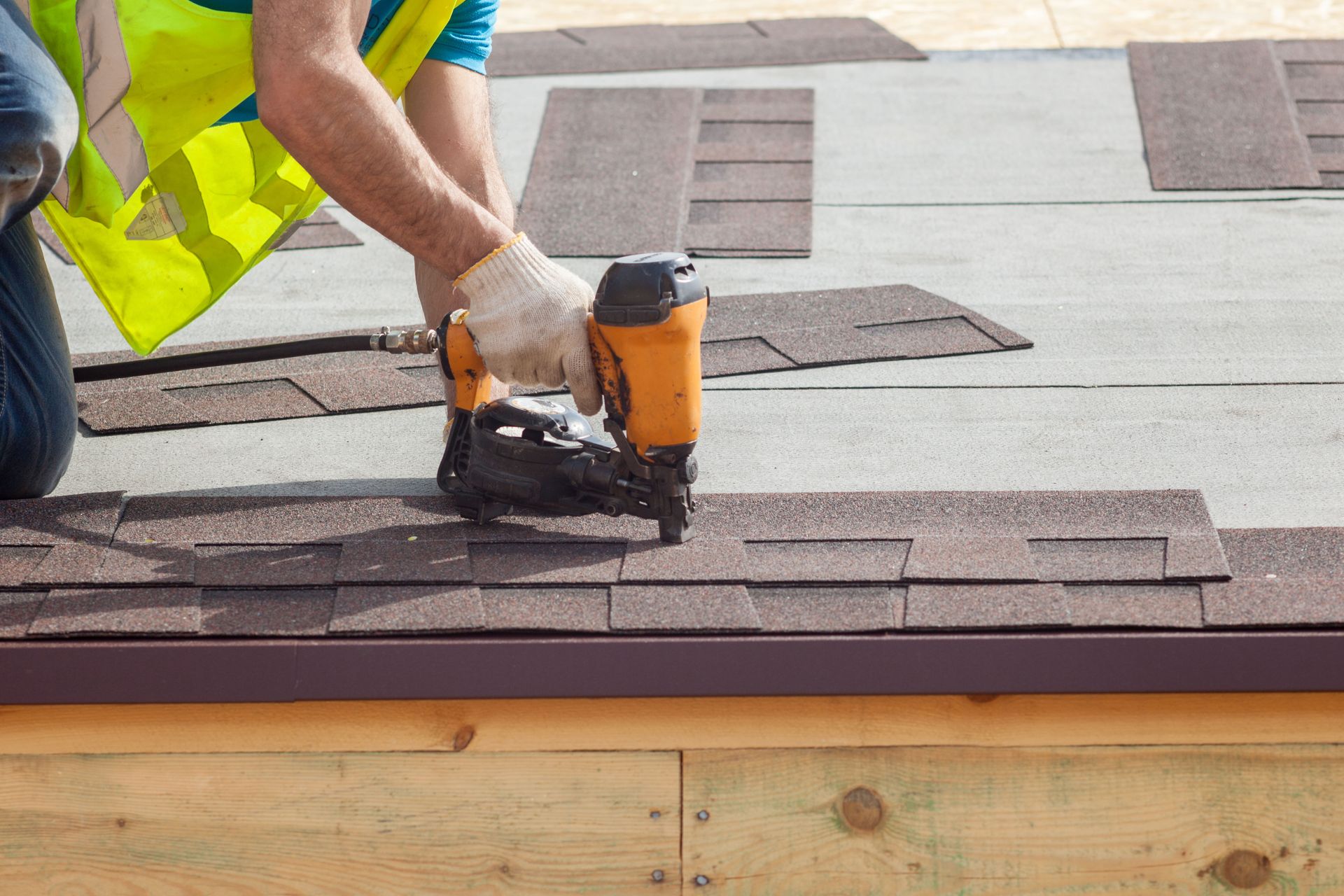
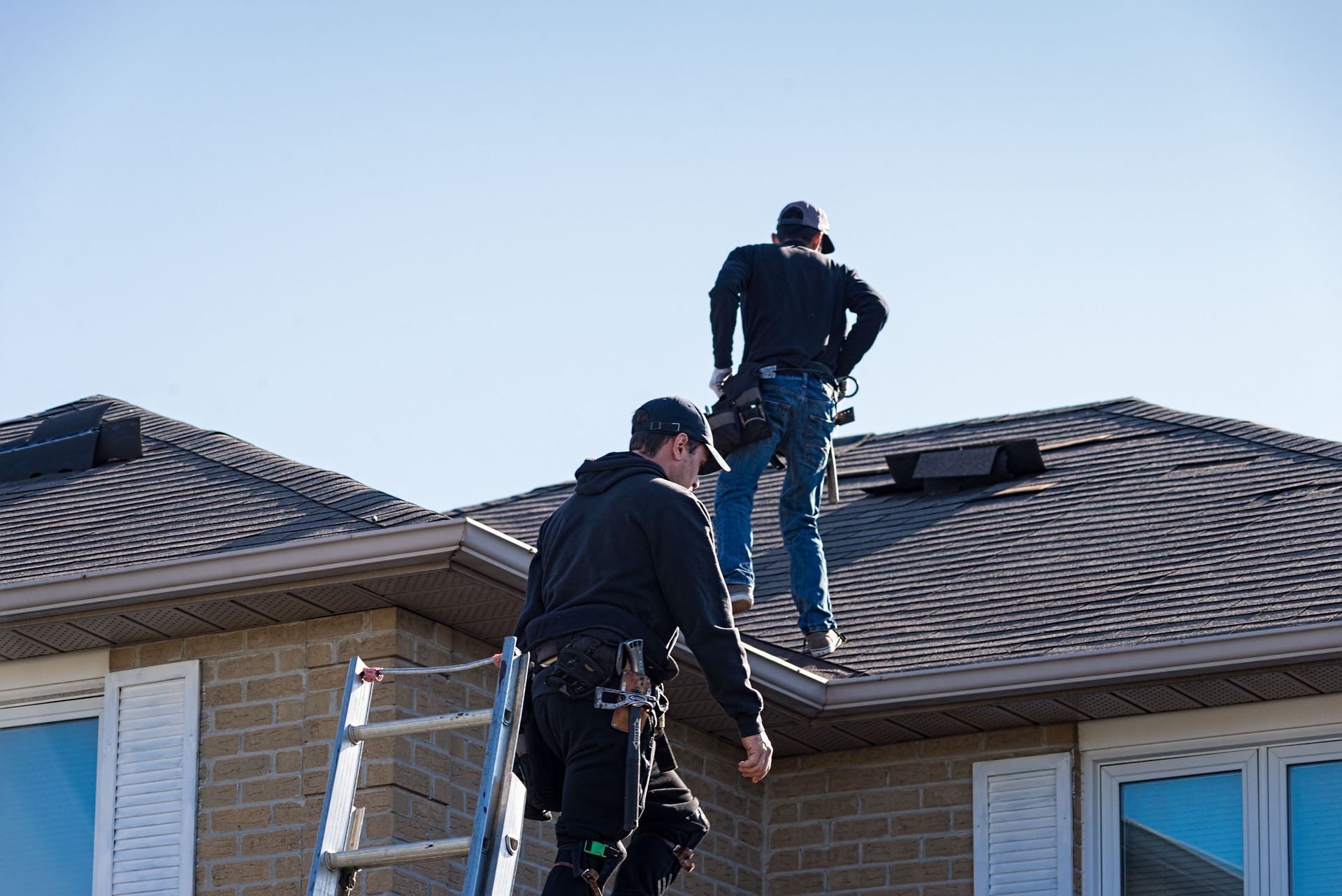
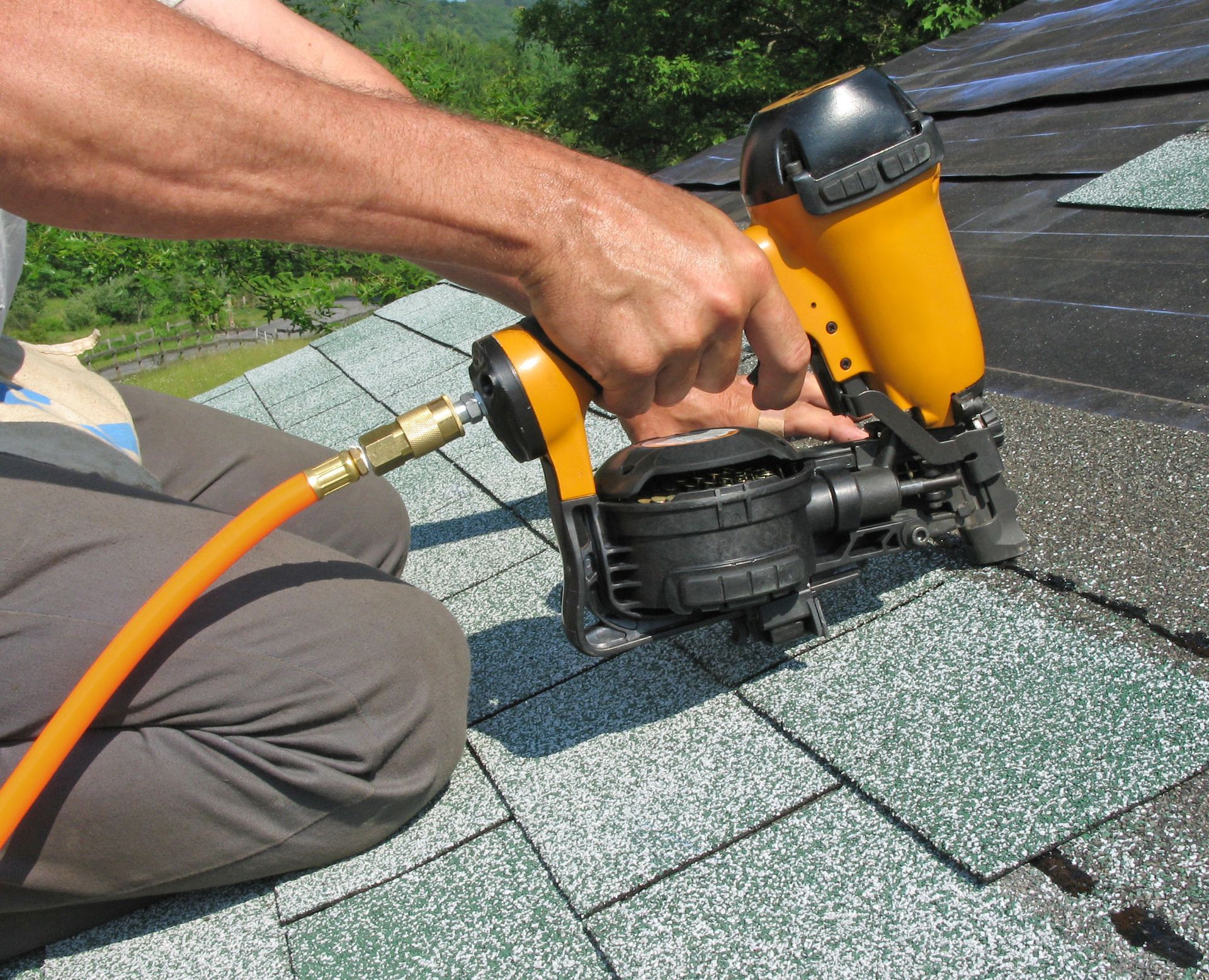
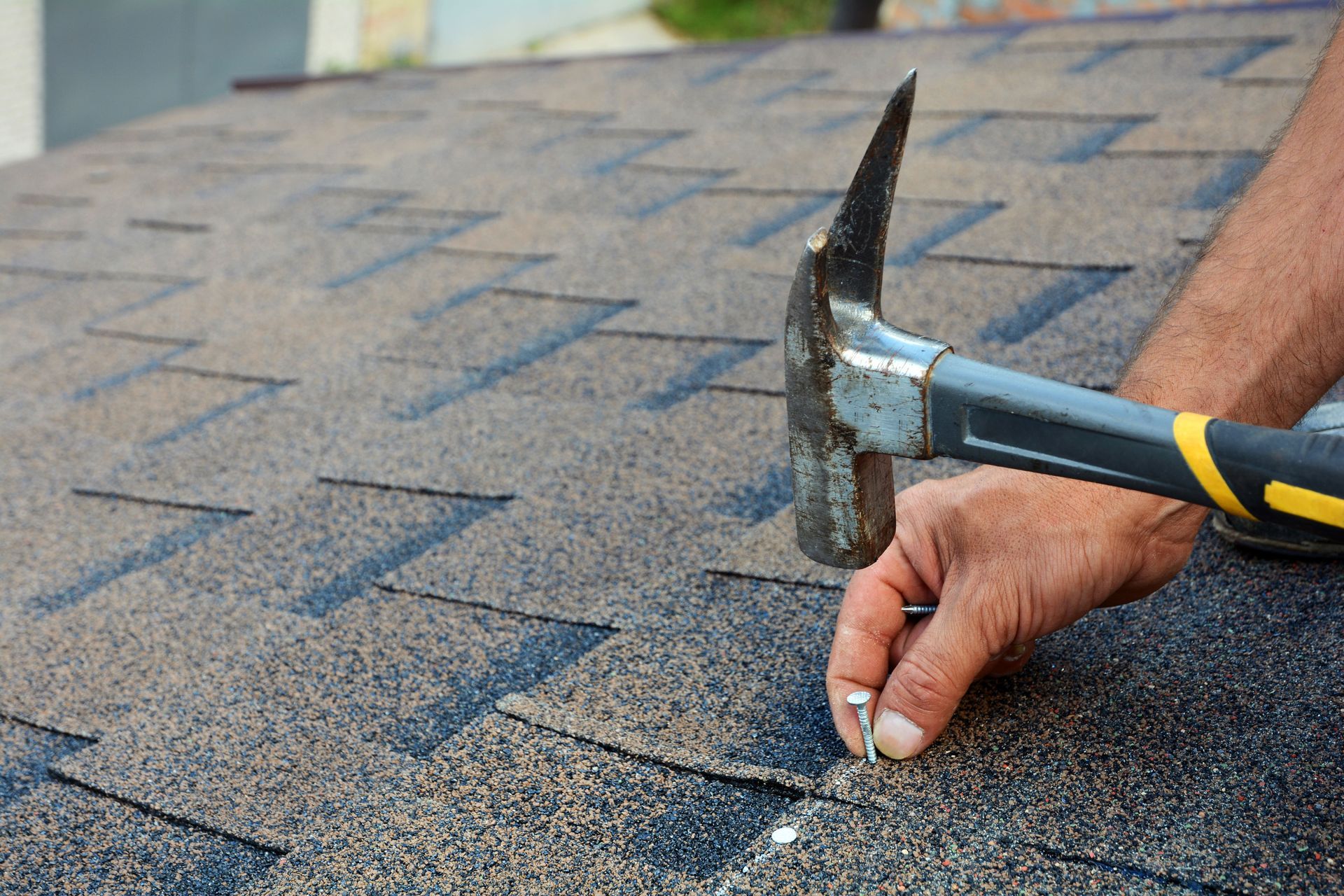
Even the best material can fall short if it is installed incorrectly. Proper installation affects drainage, ventilation, flashing, energy performance, and overall lifespan. For that reason, homeowners should work with professionals who understand both product requirements and architectural compatibility. A contractor should be able to explain why certain materials suit a home style better than others and identify whether the structure can support heavier products such as tile or slate.
Professional guidance is especially useful when narrowing down residential roofing options among several attractive choices. A skilled contractor can help homeowners compare aesthetics, maintenance, warranties, and regional performance practically. This makes it easier to move beyond broad preferences and toward a roofing system that genuinely fits the home. When a roof is chosen with care and installed with precision, it strengthens the property’s appearance, protection, and value for years to come. Call McChesney Lueck Roofing, LLC today to schedule your residential roofing service.
Share On: